Introduction
Arizona is one of the top 10 fastest growing states in the U.S., attracting roughly 210 new residents every day. There’s a lot to love about the Grand Canyon State.
Historian Frederick Jackson Turner's frontier thesis held that American democracy and the American Dream were indelibly shaped by the existence of the frontier. By giving Americans settling in the West a shot at a new and better life, the frontier advanced economic liberty and social equality for the nation. Arizona has long played a central role in both advancing and embodying the American Dream as a frontier state.
The state motto, "Ditat Deus" (Latin for "God Enriches"), has been part of Arizona’s history since Abraham Lincoln recognized the Arizona Territory in 1863. The motto reflects the belief that the desert territory and the faithfulness of its inhabitants would yield remarkable prosperity. Throughout the late 19th and early 20th centuries, the state attracted waves of pioneers drawn by promising opportunities: agriculture, ranching, mining, tourism, and more recently, a business-friendly and attractive retirement ethos. Throughout its history as a territory and state, Arizona has been a destination for Americans and immigrants seeking a new and prosperous life in the beautiful Southwest.
Today, the realization of the Arizona Dream depends, in no small part, on strong families. Children from healthy, thriving families and adults who head up such families are more likely to flourish socially, emotionally, and financially in the Grand Canyon State.
This new, ground-breaking report explains how strong families matter to the fortunes of those seeking the Arizona Dream and what public policy can do to strengthen marriage and family life across the state.
Section I: Thriving Children
Getting off to a strong educational start is essential to realizing the Arizona Dream. This report shows that Arizona kids are more likely to get a good education when they come from strong and stable families. Teachers and school administrators will attest to this because they see its truth demonstrated every year in the students who pass through their classrooms. Children coming from intact families where the mother and father are both involved in their children’s lives are, on average, more likely to have the social, emotional, and financial resources they need to flourish in Arizona.
This is consistent with what leading think tanks and scholars have found in the research on child well-being over the years. The Annie E. Casey Foundation notes, for instance, that children:
growing up in single-parent families typically do not have the same economic or human resources available as those growing up in two-parent families. Single parents also are more likely to experience high stress and depression–especially single moms–as well as limited social support. These factors can affect kids, with those growing up in single-parent families facing greater risks of academic, emotional and behavioral problems.
Likewise, family scholars find that marriage boosts the welfare of children in a range of ways. In the words of economist Melissa Kearney:
… [S]tudy after study suggests that a married-parent family tends to confer benefits to children in the form of greater resources during childhood, and that these increased resources then translate into better opportunities and greater educational attainment, among other outcomes.
The data we analyzed in Arizona tell a similar story for children in the Grand Canyon State.
Looking at Arizona children ages 6 to 17 in the National Survey of Children’s Health 2022-2024, we find that 85% of children living with their intact married parents received A’s and B’s compared to 64% of those from single-mother homes, and 65% with other family structures. Just 15% of children living with their married biological parents received poor grades (B’s and C’s or lower), compared to over a third from single-mother and other homes.
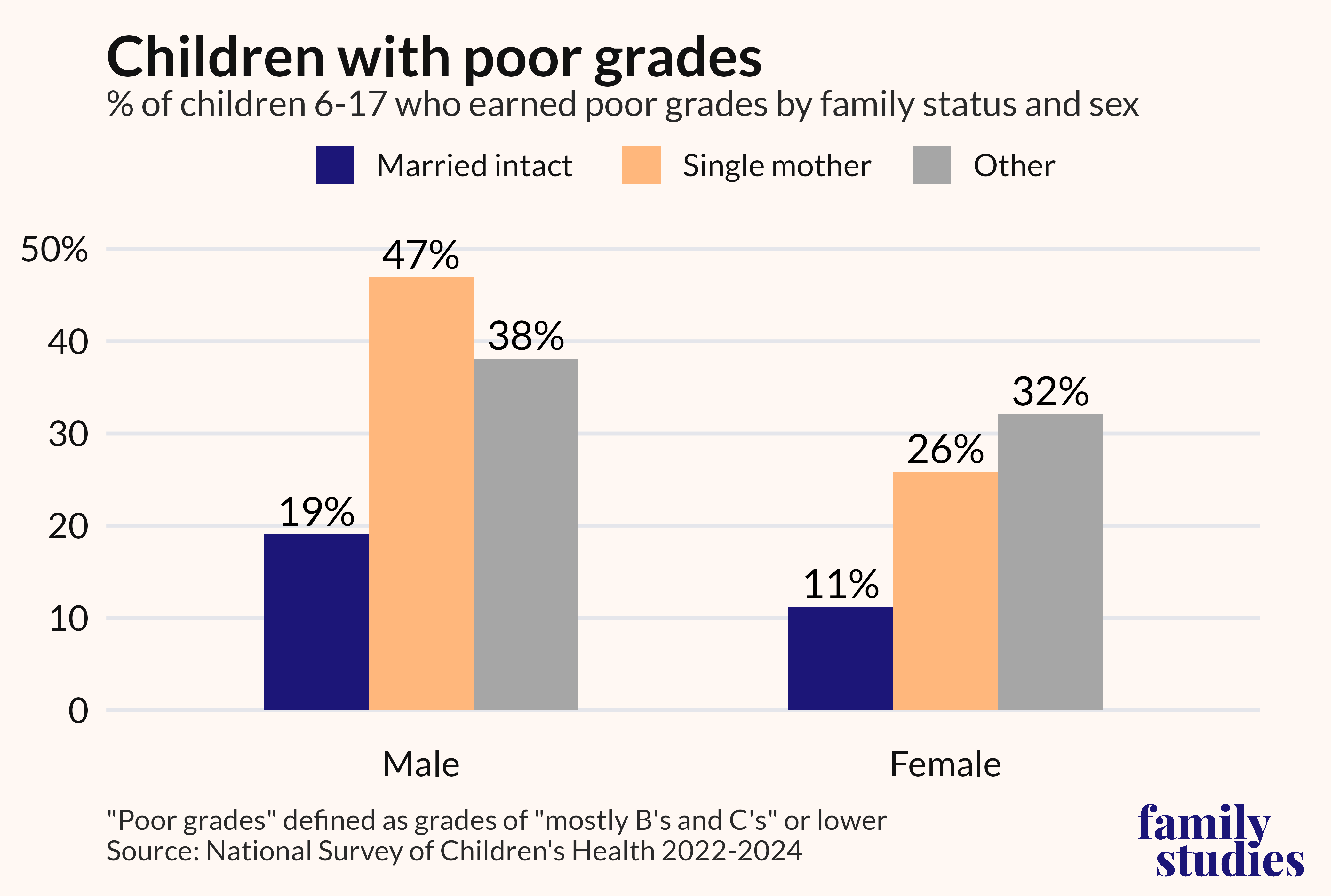
This is a profound difference. Indeed, with controls for age, sex, race, income, and parental education and immigration status, children from non-intact families are about 91% more likely to be earning poor grades than children from intact families.
Reading Proficiency
The link between family and academic success also shows up at the community level. Arizona school districts with a higher share of married-couple households tend to have higher reading proficiency scores, a fundamental requirement for future academic and life success.
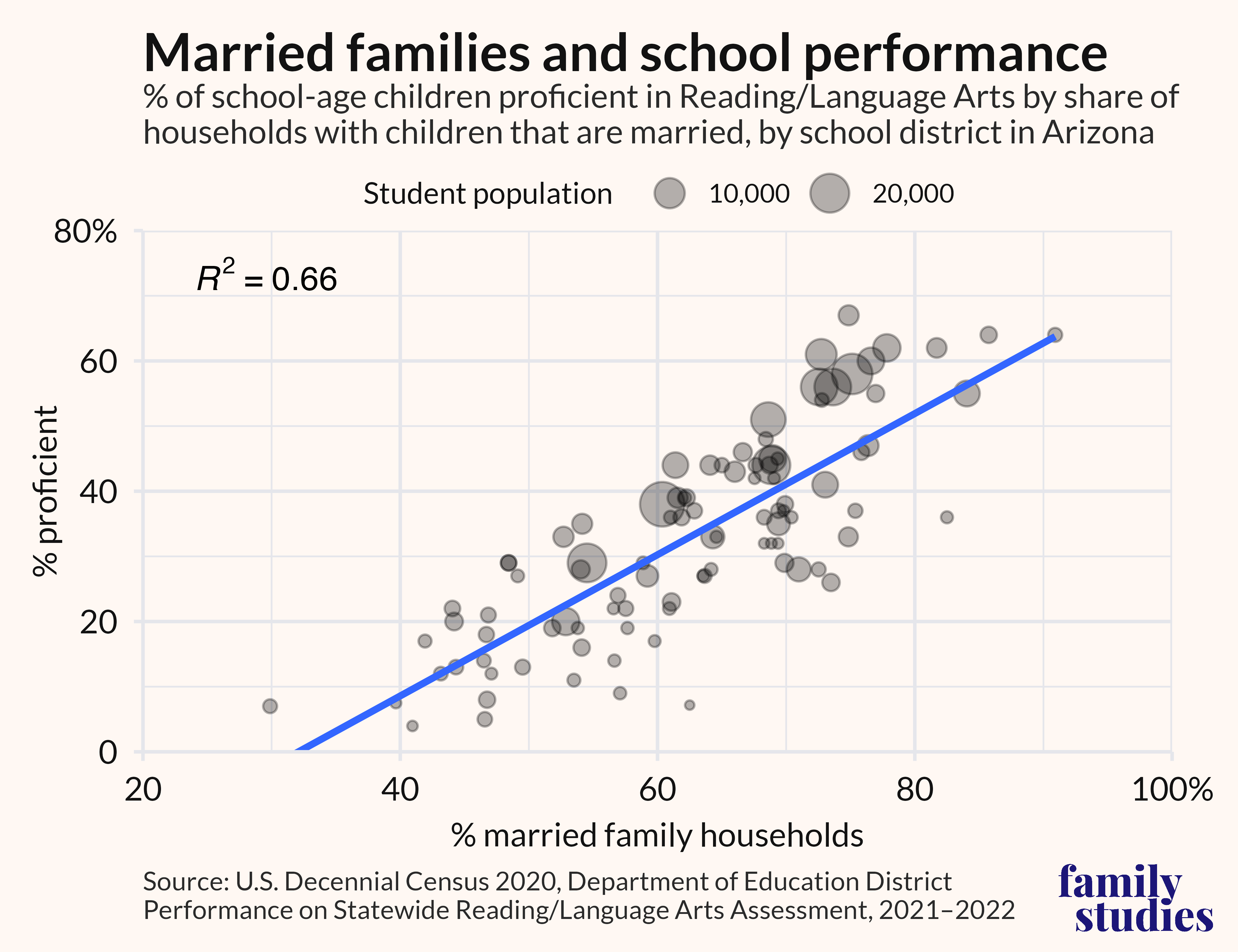
Figure 2. Percent of school-age children proficient in Reading/Language Arts by share of married households, by AZ school district.
For instance, 60% of students in Higley Unified School District in Gilbert tested proficient in English Language Arts. It is no coincidence that 77% of households with children in this district are led by married parents. In Flowing Wells Unified District, on the other hand, where only 54% of households with children have married parents, 35% of students tested proficient in English Language Arts despite the district spending about 60% more per-student on classroom support than Higley ($1,138 per student vs. $734 per student). The trendlines of reading proficiency and per capita married-parent homes tend to track closely in school districts across the state.
Again, teachers and school administrators see this regularly.
This trendline holds true when looking at married households by race and ethnicity. Children raised in married-parent homes have, on average, higher reading proficiency rates. This is true for Hispanic, Native American, Black, and White students in school districts across Arizona.
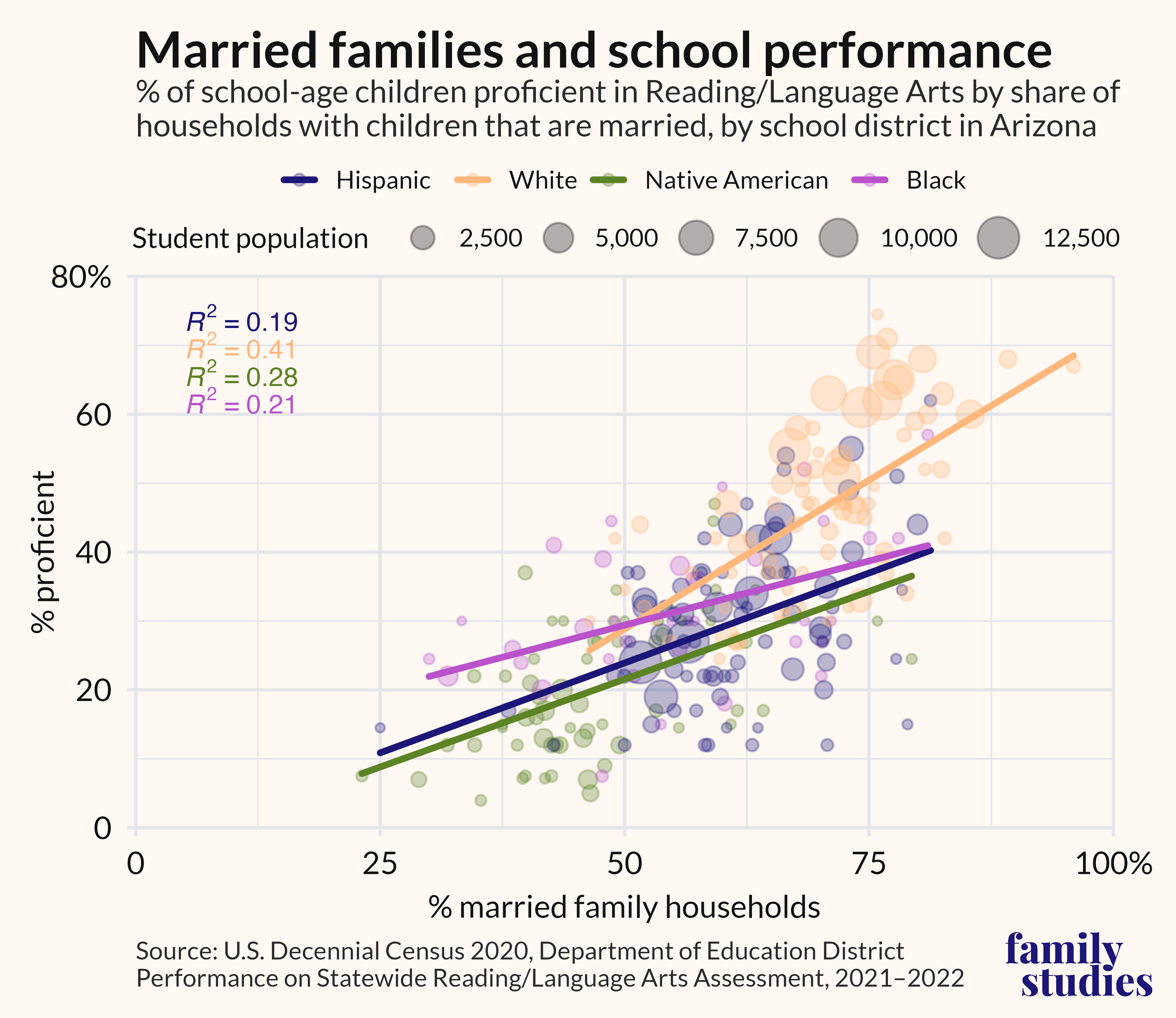
Figure 3. Percent of school-age children proficient in Reading/Language Arts by share of married households, AZ school district, and race.
For Hispanic, White, Native American, and Black Arizonans, school districts with more married families tend to have higher shares of children scoring proficient on the English Language Arts section of Arizona’s Academic Standards Assessment (AASA) for grades 3 through 8, and on the ACT Aspire for grades 9 and 11.
In a multivariate model, controlling for income levels within school districts and student population race, we find that the districts with the highest share of married-parent families have a 43-percentage-point proficiency advantage in English Language Arts over those districts with the lowest share of kids living with married parents. By contrast, the highest-earning school districts have a 27-percentage-point advantage in ELA proficiency over lowest-earning school districts, after controls for family structure and race.
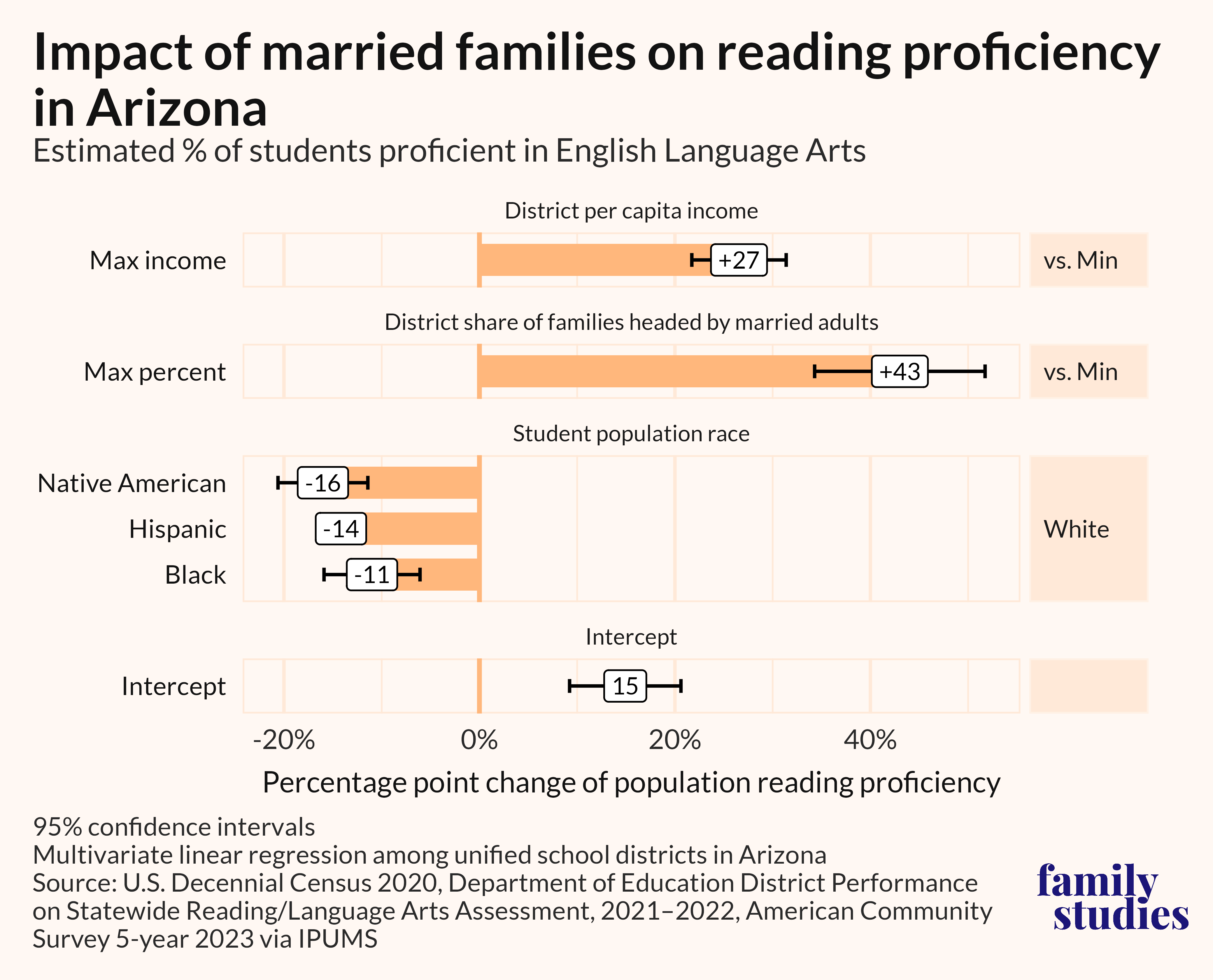
Figure 4. Estimated percent of AZ students proficient in English Language Arts by race and income.
A 27-percentage-point difference is significant. But crucially here, the married-parent household advantage is larger than income. In other words, children living in districts with more married-parent families tend to outperform those living in richer districts, all things being equal.
After controls for district level income and share of family households headed by married adults, we find that non-White race and ethnic groups, including Hispanic, Black, and Native American student populations, still have lower reading proficiency rates than White students. But, again, family structure is more predictive of reading proficiency than race and ethnicity.
School Contacts for Misbehavior or Learning Problems
Children living in non-intact family households are also more likely to be contacted by the school for poor academic performance or behavioral conduct.
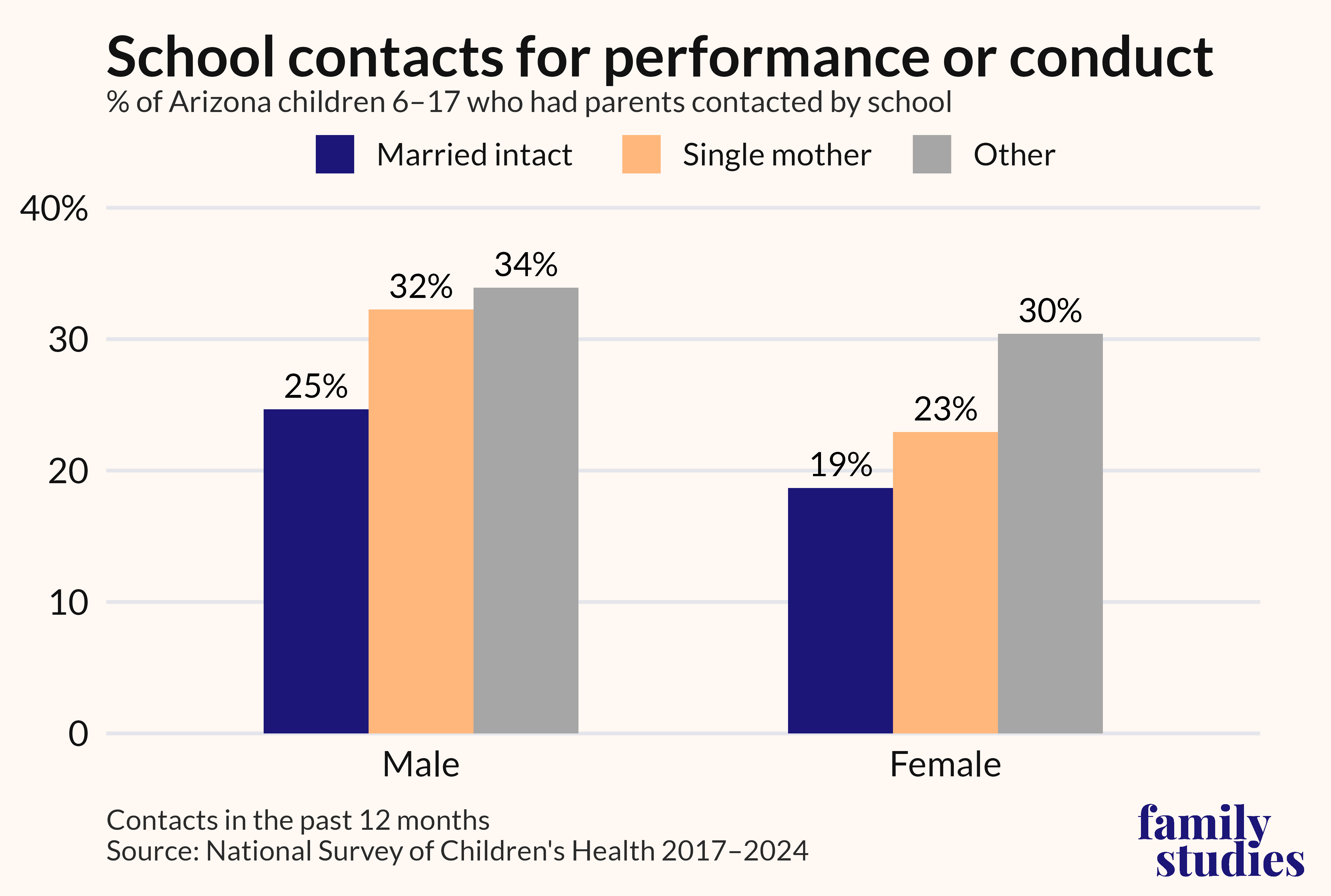
Figure 5. Percent of children ages 6-17 who had parents contacted by school, by family structure and student sex.
Net of controls, Arizona students from non-intact families are 33% more likely to have their parents contacted by their school for behavioral or learning issues.
These trends also apply across most major racial and ethnic groups in Arizona: Whites, Hispanics, Native Americans, and Blacks. The next figure shows how school contacts vary significantly by intact vs. non-intact families, except for Hispanic children. What’s apparent is that kids from intact, married families in nearly all racial/ethnic groups are markedly more likely to get better grades and avoid school contacts for behavioral or academic problems.
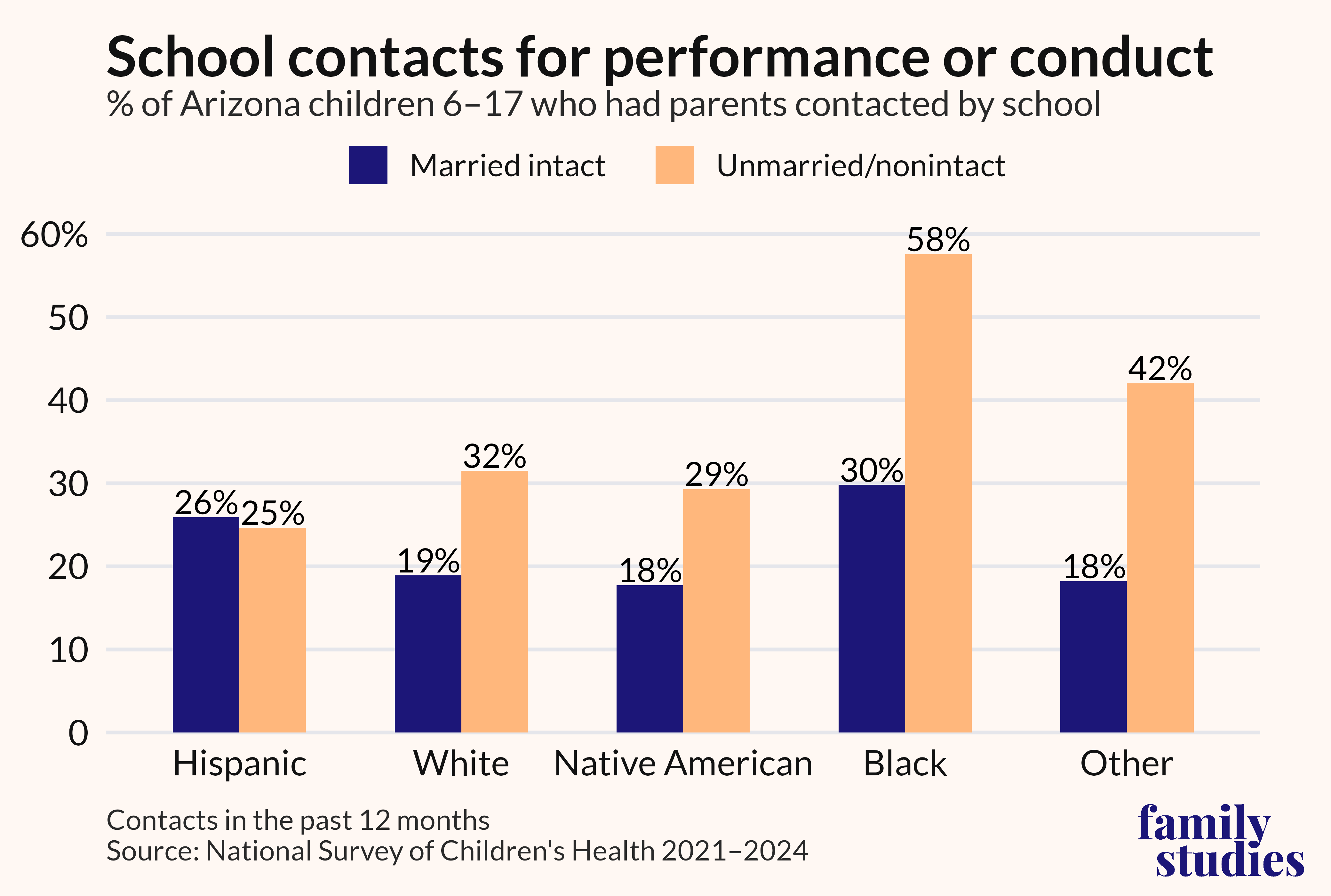
Figure 6. Percent of children ages 6-17 who had parents contacted by school, by race and family status.
In general, then, Arizona children get a boost from strong and stable families when it comes to school. Let us now move from education to mental health.
Child Mental Health and Well-Being
Depression is a leading cause of disability and difficulty among young people today. Since 1990, rates of depression have increased by over 50% to epidemic proportions for those under age 30. More concerning, people born after 2000 show even higher prevalence of depression. One study published in the Journal of the American Medical Association reports the incidence of clinical depression has increased by approximately 60% for youth ages 5 to 22 in Arizona’s neighbor, Southern California.
Harvard social scientist Arthur Brooks noted last year that global research on happiness reveals “the United States dropped to its lowest ranking since that survey began—and that result was driven by the unhappiness of people under 30 in this country. So what’s going on?
What’s going on, indeed.
Family is definitely part of the story, both across the nation and in Arizona. Family instability is strongly associated with increased prevalence of depression in young people. As the figure shows, children in Arizona living in non-intact families are markedly more likely to be diagnosed with depression. Specifically, net of controls, girls are 60% more likely to be depressed and boys are 57% more likely to be depressed when they are raised in a home without both of their parents.
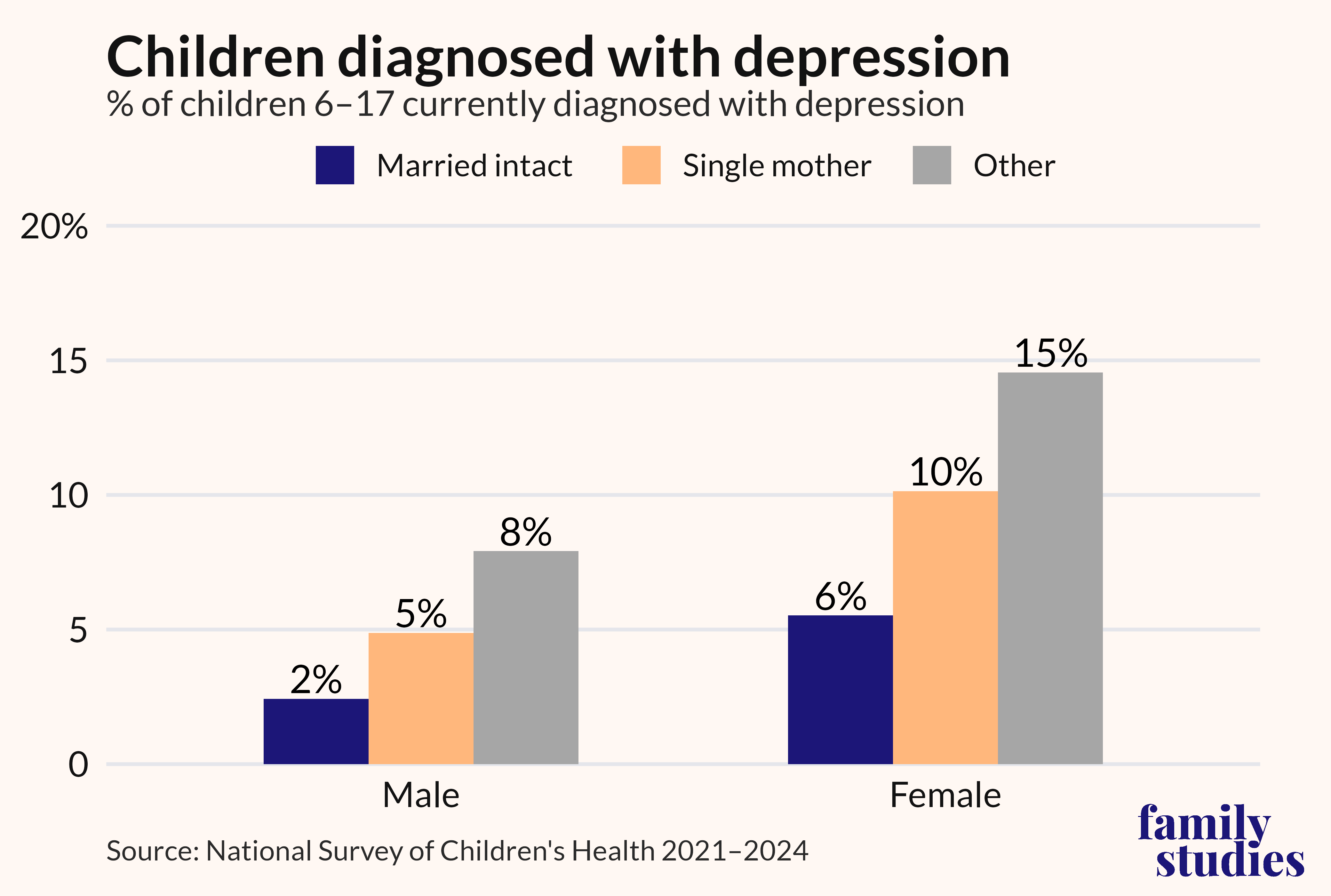
Figure 7. Percent of children ages 6-17 currently diagnosed with depression by family structure.
These findings are consistent with what Dr. Samuel Wilkinson, Professor of Psychiatry at the Yale School of Medicine and Associate Director of Yale’s Depression Research Program, has documented regarding the connection between family breakdown and the growing mental health crisis. As he wrote for the Institute for Family Studies, “Children, in particular, are more likely to experience mental health problems when they experience family breakdown.”
Arizona has a large minority of such children. And like kids across America, kids in Arizona are more likely to suffer emotionally when they do not enjoy the benefits of growing up in a stable home.
ACEs: Adverse Childhood Experiences
Adverse Childhood Experiences (ACEs) are “potentially traumatic experiences and events” in a child’s life that significantly impact their physical, mental, and emotional well-being, from ages 0 to 17. These can be experiences of domestic violence, neglect, natural disasters, parental separation or divorce, homelessness, being involved in a serious accident, or losing a close family member to suicide, and more.
ACEs are deeply consequential for children and adults in America. The U.S. Center for Disease Control explains,
Preventing ACEs could reduce suicide attempts among high school students by as much as 89%, prescription pain medication misuse by as much as 84%, and persistent feelings of sadness and hopelessness by as much as 66%. Additionally, preventing ACEs could also reduce many health conditions in adulthood, including chronic diseases and behavioral health conditions. Estimates show that preventing ACEs could reduce cases of heart disease by 22% and depression by 78% for adults.
According to the Arizona Department of Health Services’ 2021 ACE report, “43% of children in Arizona experienced one or more ACEs.” They add this “is slightly higher than the national rate of 39.8%.”
Intact, married families are a clear and substantial protection against children experiencing one or more ACEs. Below are four ACEs experienced by family form for children ages 6 to 17 in Arizona. The protective effect of intact, married families is demonstrable. Net of controls, school-aged children in non-intact families are remarkably 274% more likely to experience at least one or more of the following ACEs compared to their peers growing up in an intact family in Arizona.
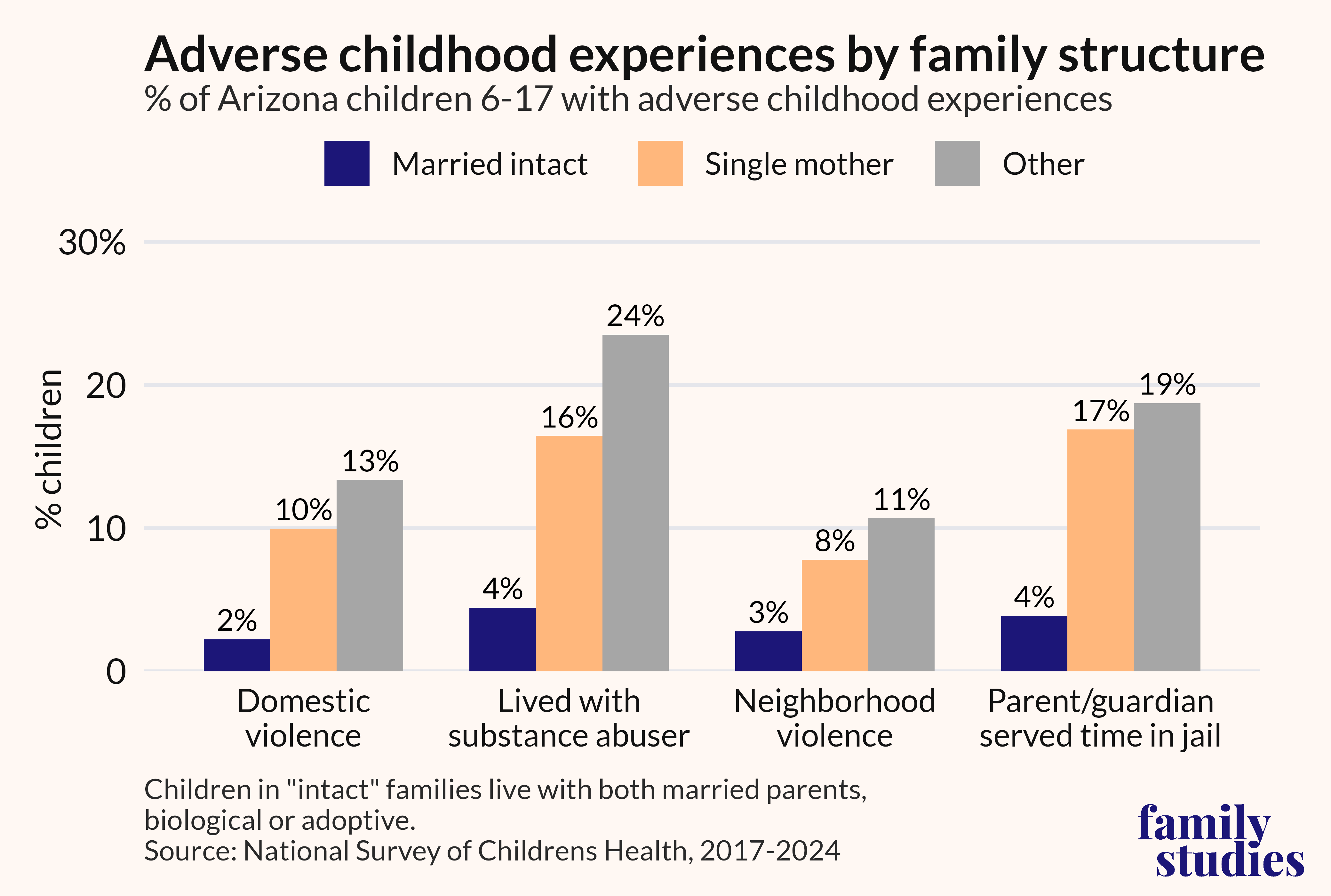
Figure 8. Share of AZ children ages 6-17 with ACEs, by family structure.
Arizona Governor Katie Hobb’s office rightly notes,
Arizona’s success and prosperity are fundamentally linked to our commitment to nurturing and safeguarding our children. Unfortunately, adverse childhood experiences can significantly hinder their development and potentially lead to more serious issues in the future.
Strong, thriving families are powerfully protective for kids across the state. Arizona’s government, community agencies, news media, schools, and houses of worship must move to publicize the value of stable, married families and to help parents forge strong relationships.
Child Poverty
It is extremely difficult for children to prosper in life when they live in poverty. Their schooling suffers. Their health lags. Their confidence declines. Their opportunities shrink. Their mental health and sociability decline.
Poverty can even negatively affect the brain structure of children and adolescents in the regions supporting language, reading, executive function, and spatial skills. This decline is most pronounced for the most disadvantaged children. Poverty is a social cancer, slowly eating away at otherwise promising lives of vast potential.
Scholars and policymakers from diverse political perspectives have noted childhood poverty’s close connection to family breakdown or the family’s failure to form in the first place. Brookings Institution scholar Isabel Sawhill observed that the “proliferation of single-parent households accounts for virtually all of the increase in child poverty since the early 1970s.” Similarly, Marco Rubio, then U.S. Senator (R-FL), noted:
The truth is, the greatest tool to lift children and families from poverty is one that decreases the probability of child poverty by 82%. But it isn’t a government spending program. It’s called marriage.
Thus, it is no surprise that in Arizona, children in married, intact homes are much less likely to be living in poverty. In fact, less than 1 in 10 children in intact, married families live in poverty in Arizona, compared to over 1 in 5 children with cohabiting parents, and 1 in 4 children in single-mother families.
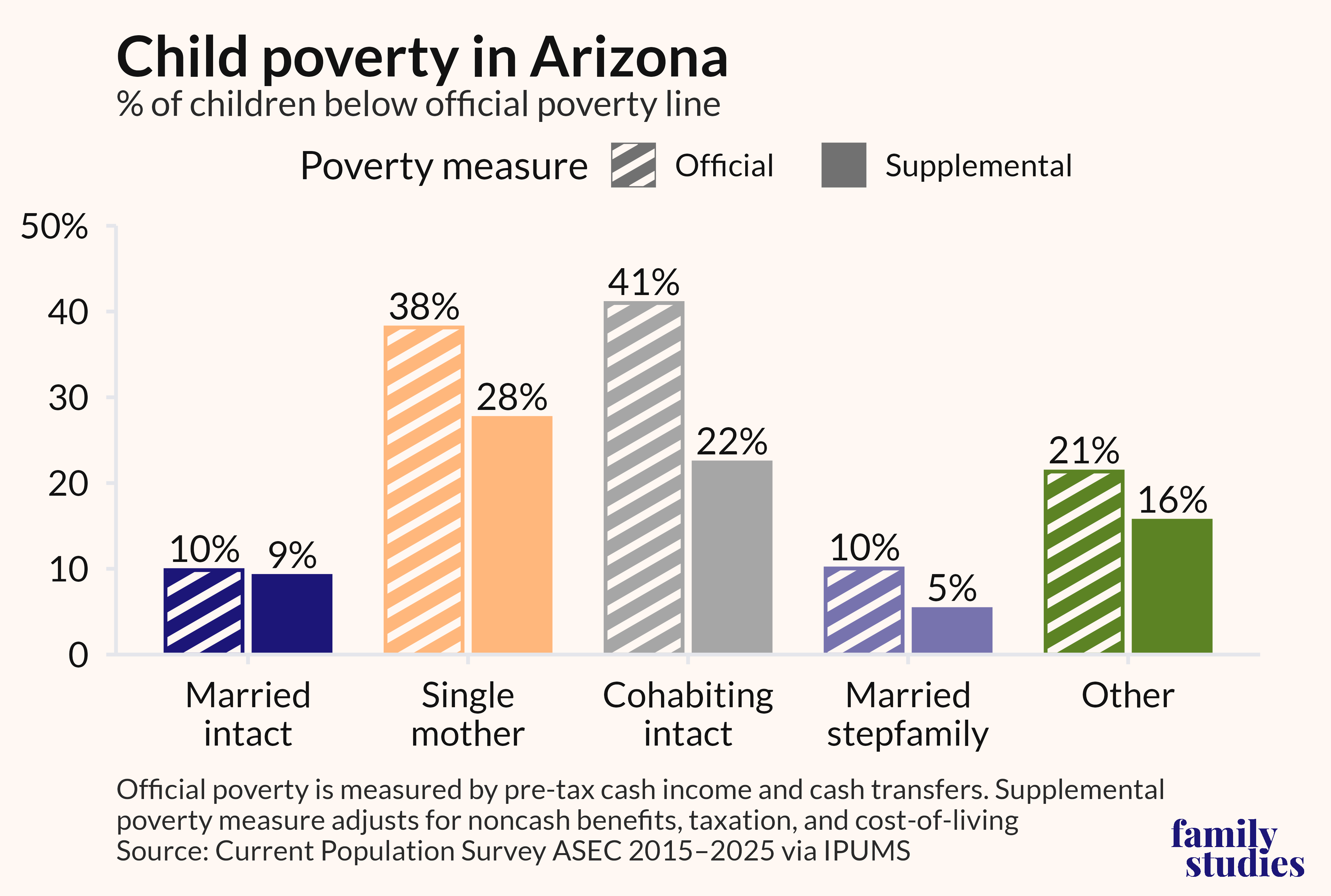
Figure 9. Percent of children below official poverty line in AZ, by family structure.
Using data from the Current Population Survey’s Annual Social and Economic Survey, we estimate that just 10% of Arizona children living in married, intact families fall below the official poverty line. This is far less than the 38% who live with single mothers, and 41% who live in cohabiting families. Therefore, it is not just the number of adults in the home, but the relationship between the adults and the children that seems most protective against child poverty in the state.
The Supplemental Poverty Measure (SPM) accounts for unmarried partners who pool resources. Additionally, the SPM includes noncash benefits, adjusts for cost-of-living, and accounts for necessary expenses like taxes, child care, and child support payments.
Using the SPM, we find that children from intact married families are less than half as likely to be living in poverty compared to children in single-mother or cohabiting-parent homes.
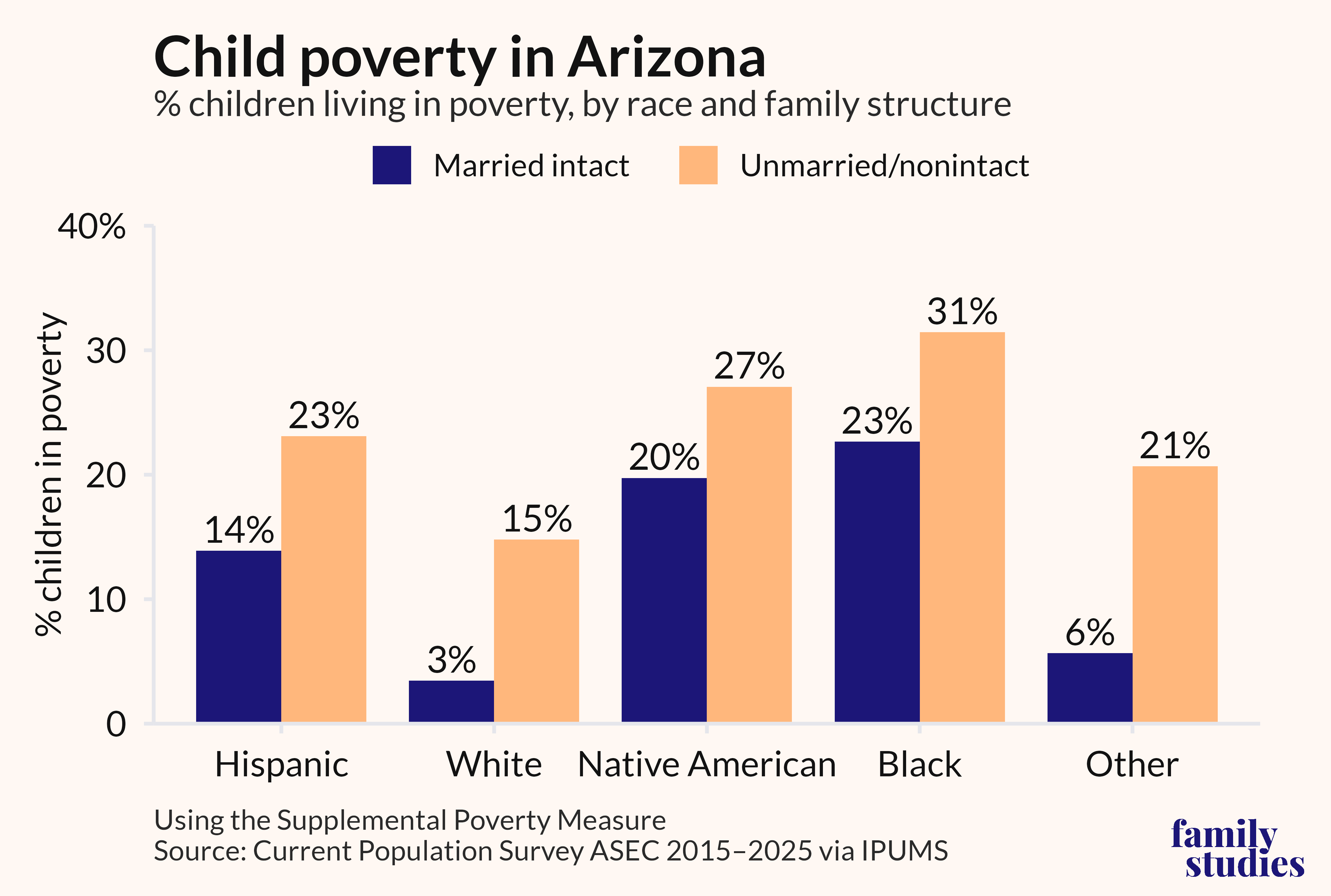
Figure 10. Percent of AZ children living in poverty, by race and family structure.
Family structure also explains much, but not all, of the disparities in child poverty across race and ethnicity in the state.
Among White Arizonans, just 3% of children living in intact married families are in poverty, compared to 15% from unmarried or non-intact homes. Meanwhile, 14% of Hispanic, 20% of Native American, and 22% of Black Arizonan children living in intact married families live in poverty. This compares to 23% of Hispanic, 27% of Native American, and 31% of Black Arizonan children living in unmarried or non-intact families who are impoverished. So, even though there are racial and ethnic variations in the story, across the state, kids from a range of racial and ethnic backgrounds are less likely to endure the scourge of poverty if they live in an intact married family.
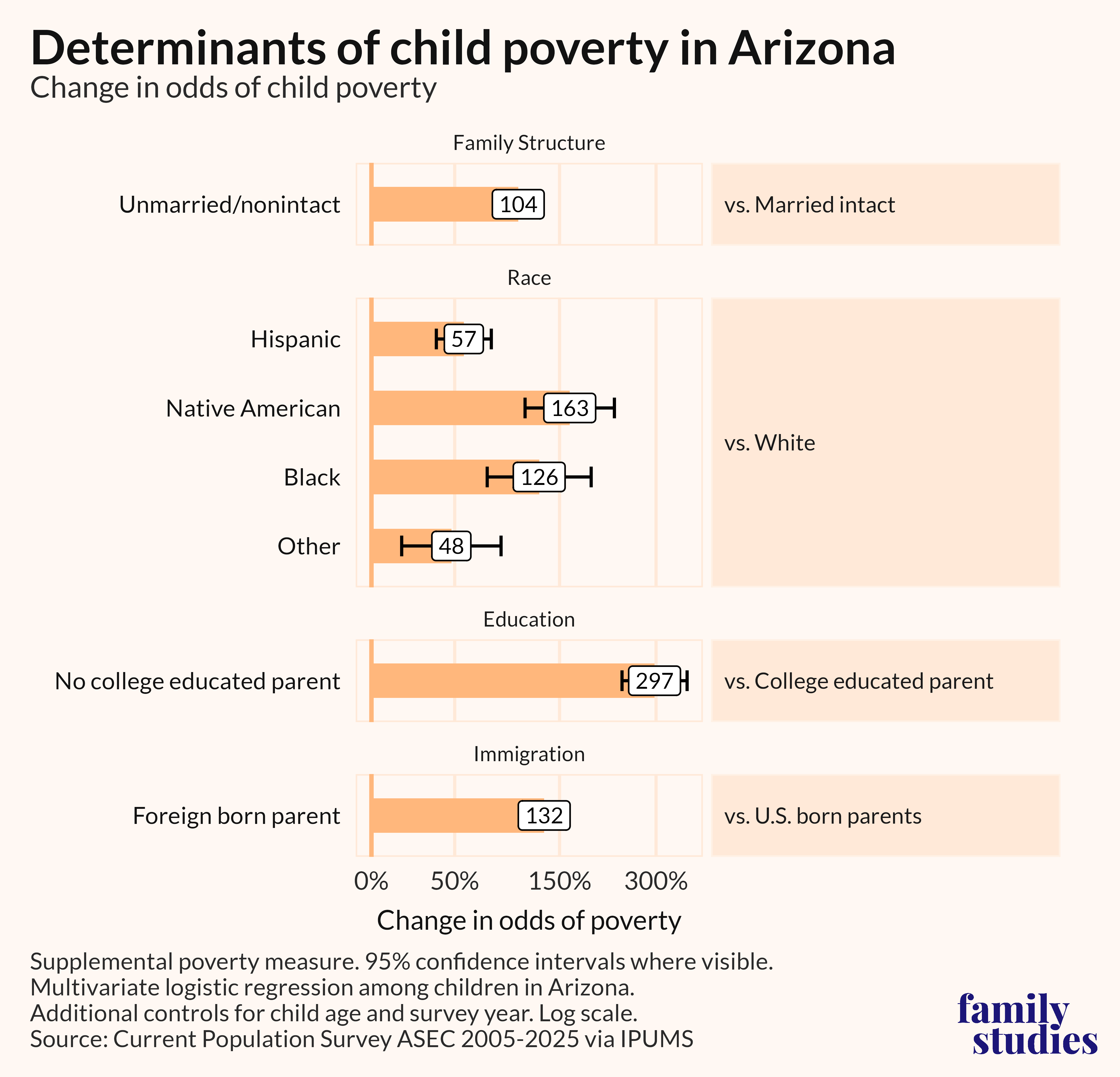
Figure 11. Changes in odds of poverty for children in AZ, by family structure, education, immigration.
Using data from 2005 to 2025, we estimated socioeconomic determinants of poverty, excluding income, in a multivariate analysis. Controlling for a child’s race, age, parental education, and parental immigration, we find that children from unmarried or non-intact homes are 104% more likely to be living in poverty. Children without a college-educated parent in the home are nearly 300% more likely to be living in poverty than those with a college-educated parent. Native American children are 163% more likely to be living in poverty than their White peers. These results indicate that family structure is one, but not the only, significant predictor of child poverty in Arizona.
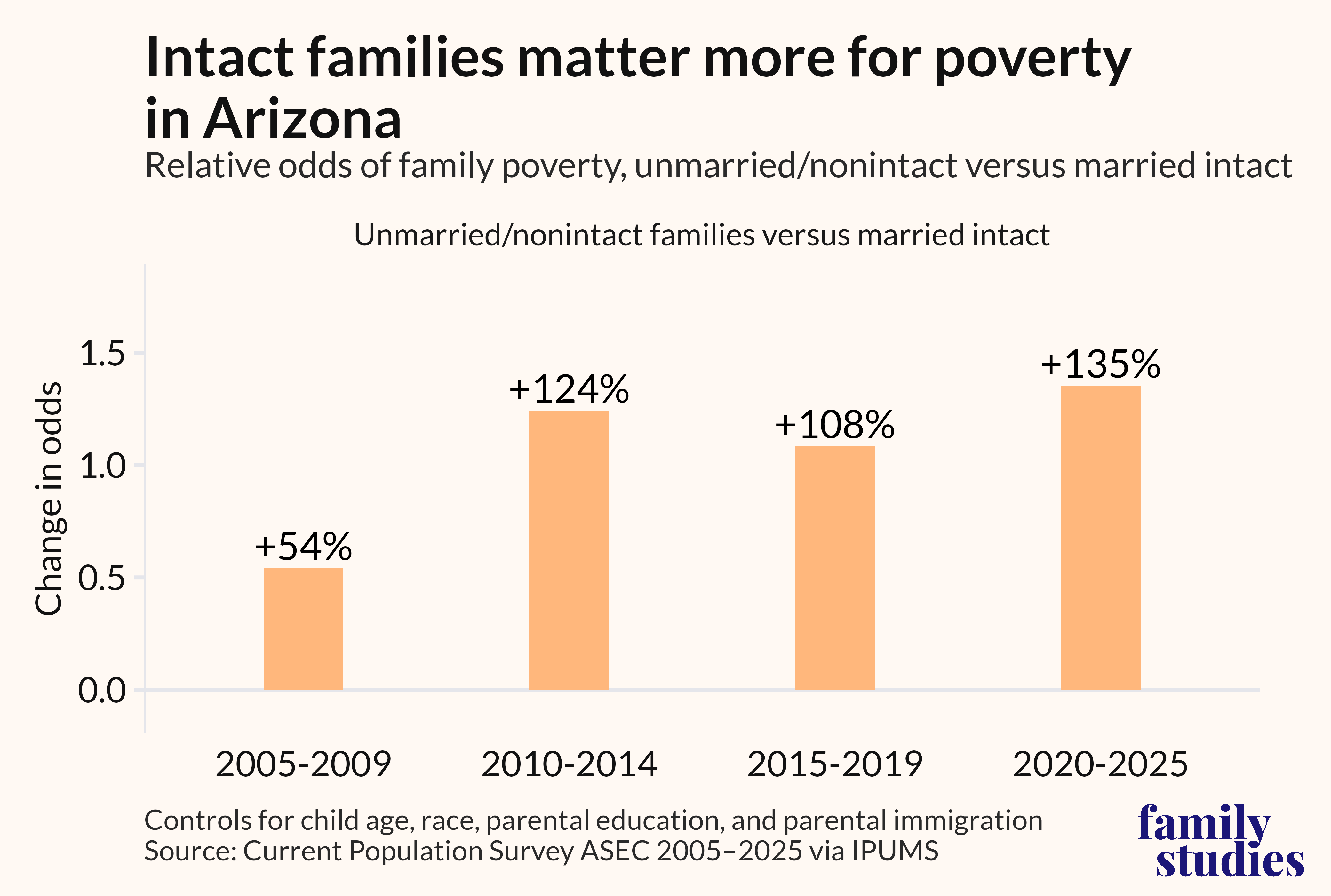
Figure 12. Relative odds of family poverty in AZ, unmarried/nonintact vs. married intact families, by year.
We also conducted a multivariate analysis with an interaction term between family structure and year in the state. We discovered that in the past 15 years, family structure has become a stronger predictor of child poverty. In the late 2000s, Arizona children from unmarried or non-intact homes were 54% more likely to be living in poverty than their peers living with married parents. Remarkably, that number has risen to 136% for 2020 to 2025. In other words, family structure matters more than ever when it comes to protecting against child poverty in Arizona today.
But marriage does not only benefit children. Marriage benefits adults as well. This is what we examine next.
Section II. Successful Adults
There is no question that the Arizona Dream—the prosperity consistent with the state’s motto (“Ditat Deus”)—depends not only on children growing up in strong and stable families but also on adults forming such families. Just as marriage benefits children in Arizona, we also find that it benefits adults in much the same way.
A veritable mountain of research has demonstrated over the past half century that marriage boosts almost every important measure of physical, emotional, financial, and relational well-being for men and women. In fact, it would be impossible to capture all the benefits of marriage for Arizonans in one report. We know, for instance, from the broader research—including Brad Wilcox’s book, Get Married—that marriage surpasses health, money, education, and work as a predictor of adult happiness in America.
Among married people, who is happiest of all? That would be married couples with children—and by notable margins. This chart from Get Married breaks down the different relational categories.
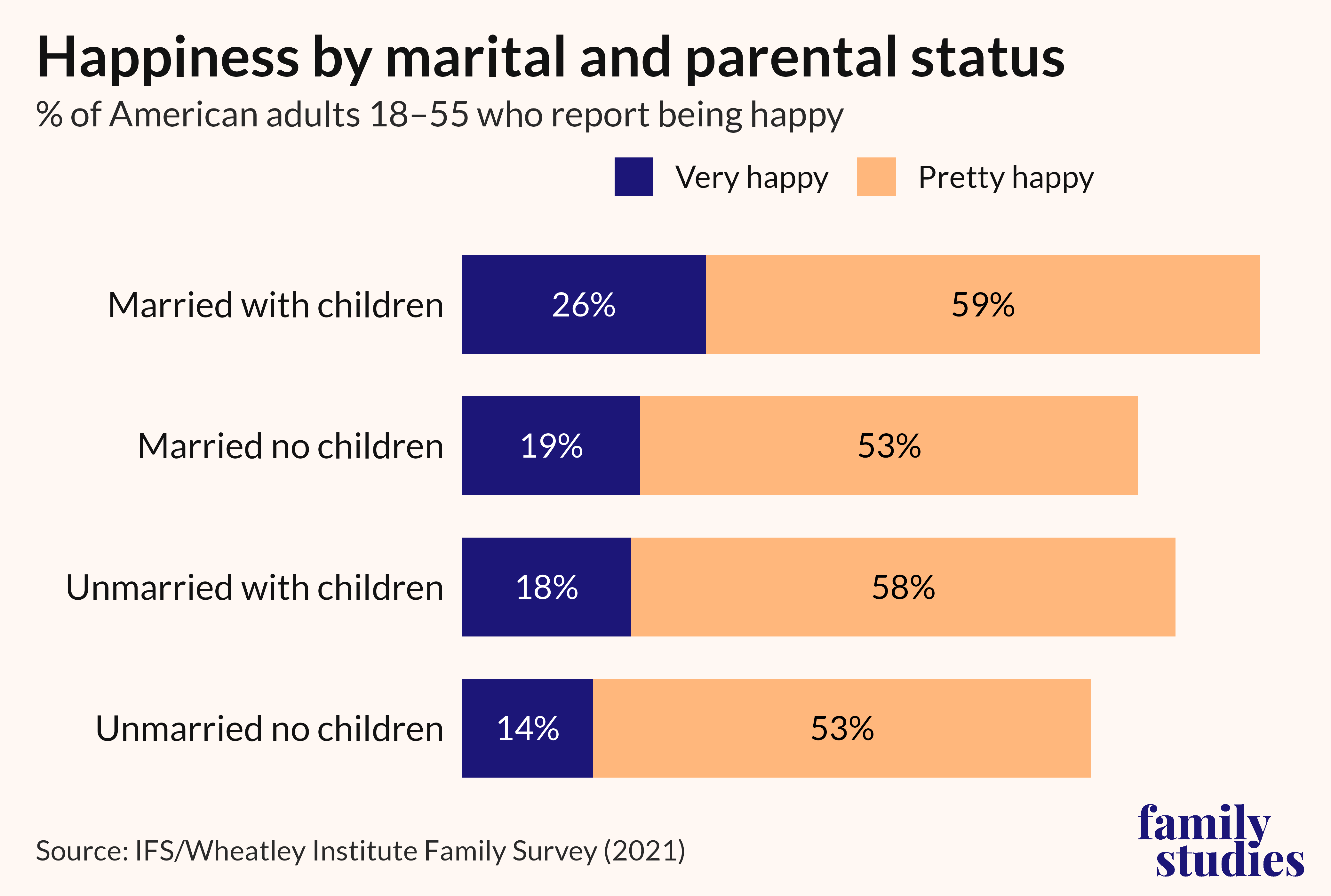
Figure 13. Percentage of U.S. adults who are happy, by marital and parental status.
Beyond this happiness story, thousands of social science studies demonstrate that married men and women live longer, have healthier lives, earn and save more money, recover more quickly and successfully from illness, stay out of trouble with the law, are dramatically less likely to attempt and commit suicide, and are more likely to be emotionally healthy. In Arizona, for instance, medical research conducted at the University of Arizona College of Medicine–Phoenix demonstrates that those
who were divorced, widowed or never married had a 42 percent greater risk of developing cardiovascular disease and a 16 percent greater risk of developing coronary artery heart disease compared with people who were married.
Let us now move to another important well-being indicator: financial security.
The Financial Benefits of Marriage
There is no question that men and women who are married in the United States are better off financially. They enjoy higher household incomes, save more, and accumulate more assets over time. Across America, as married women and men head towards retirement, in their fifties, for instance, they “have a staggering ten times more assets than their divorced or never-married” peers with all other things being held equal.
One important financial factor that most people consider essential in realizing the American Dream is homeownership.
Homeownership
In the latter half of the twentieth century, homeownership surged in Arizona. This was a key mark of the state’s success in advancing the Arizona Dream. But homeownership has been on the decline among middle-aged adults in Arizona in the last four decades. In 1980, over 4 in 5, or 83%, of Arizonans ages 35–55 owned their home.
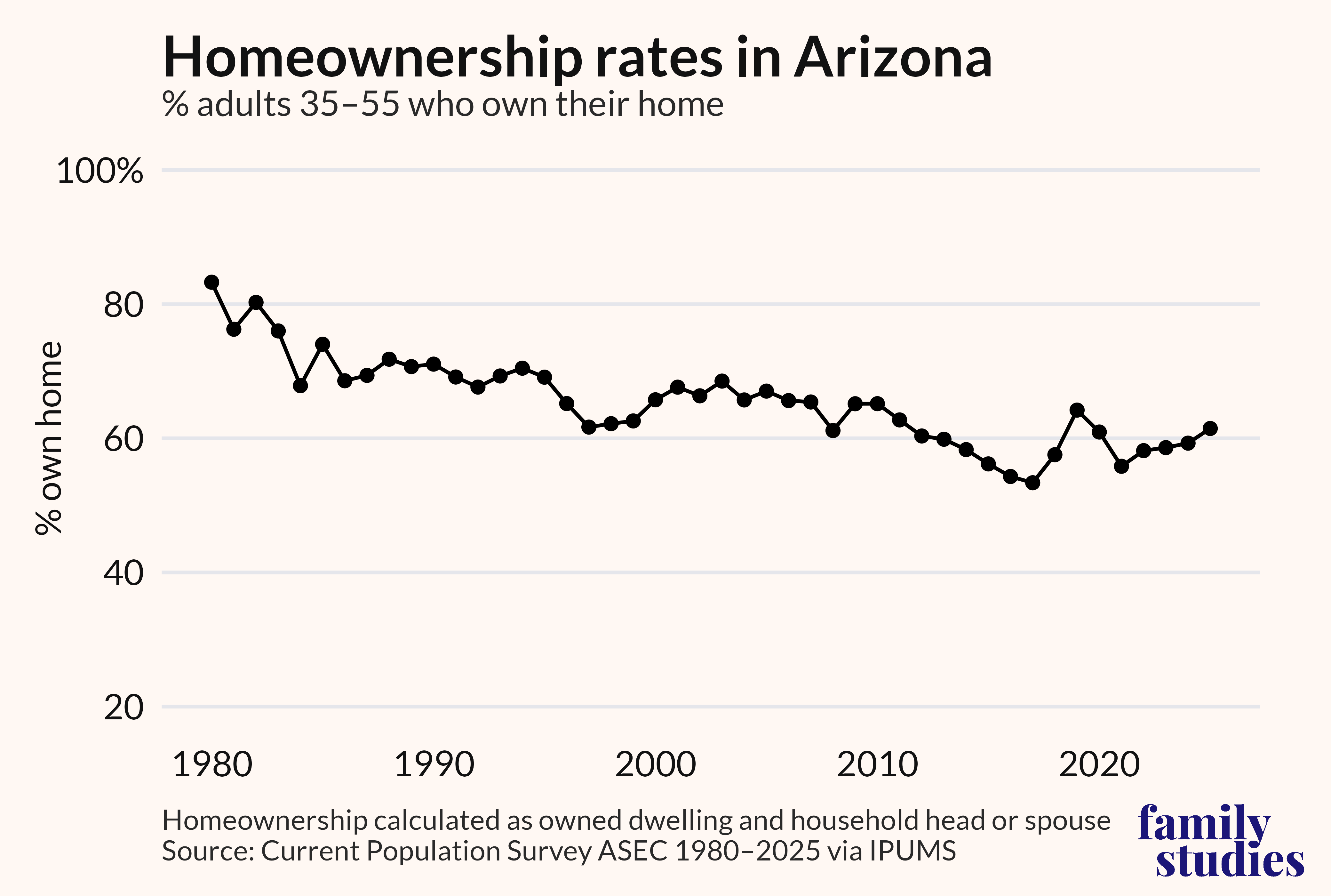
Figure 14. Percent of adults who own their own home in AZ, by year.
However, homeownership among middle-aged adults bottomed out in 2017 with 53% of adults ages 35–55 owning their home. Since then, homeownership has ticked up. Today, 62% of middle-aged Arizonans own their home.
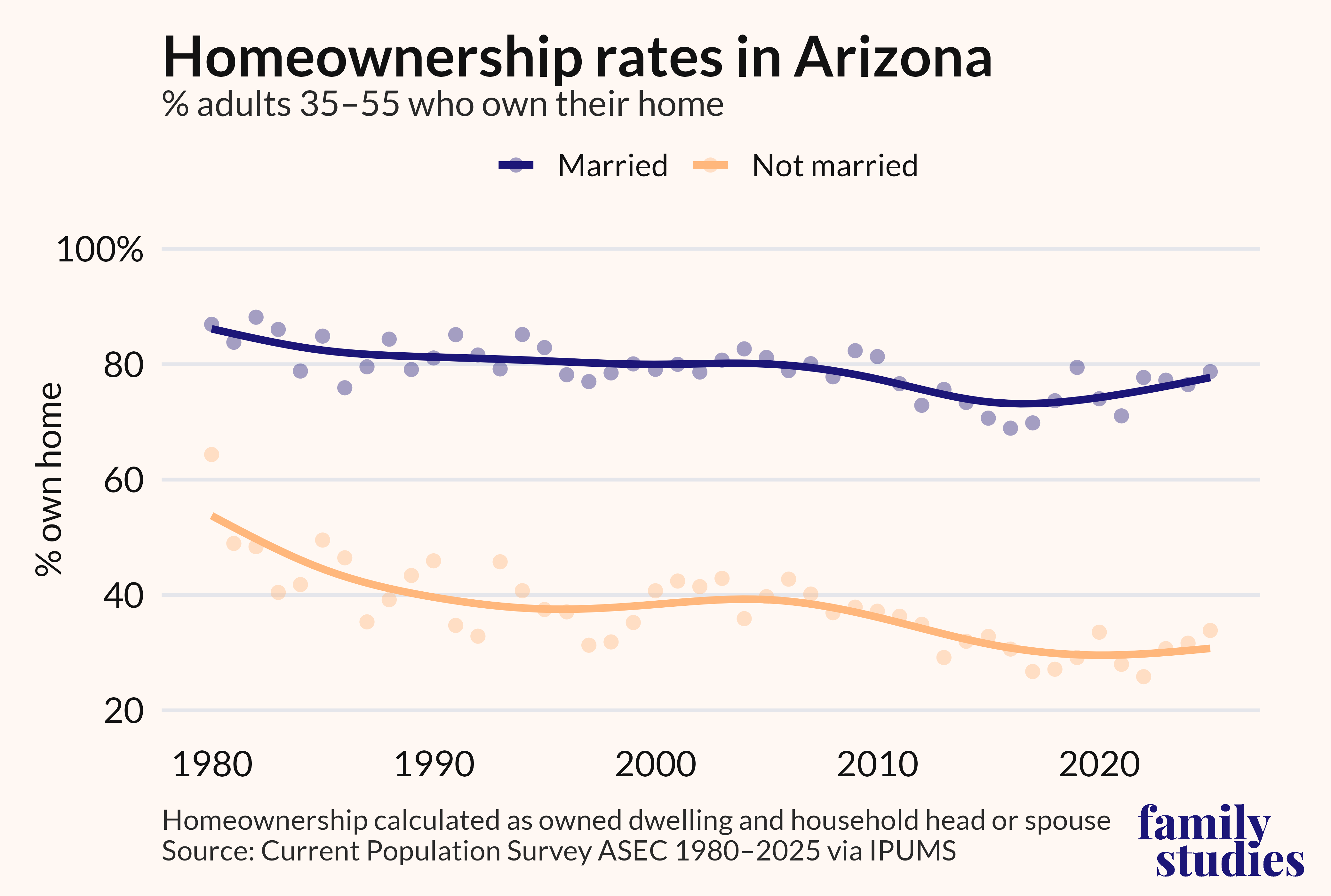
Figure 15. Percent of AZ adults ages 35-55 who own their own home, by marital status.
But the post-1980 decline in homeownership was concentrated among unmarried Arizonans, who are markedly less likely to own a home, and increasingly so over this period. Consequently, the homeownership gap has clearly widened in favor of the married in recent decades.
If we wish to boost Arizonans chances at realizing the American Dream through owning a home, one way to do so would be to promote marriage. That’s because, by increasing income and assets, marriage dramatically strengthens the odds that men and women have the means to buy a home.
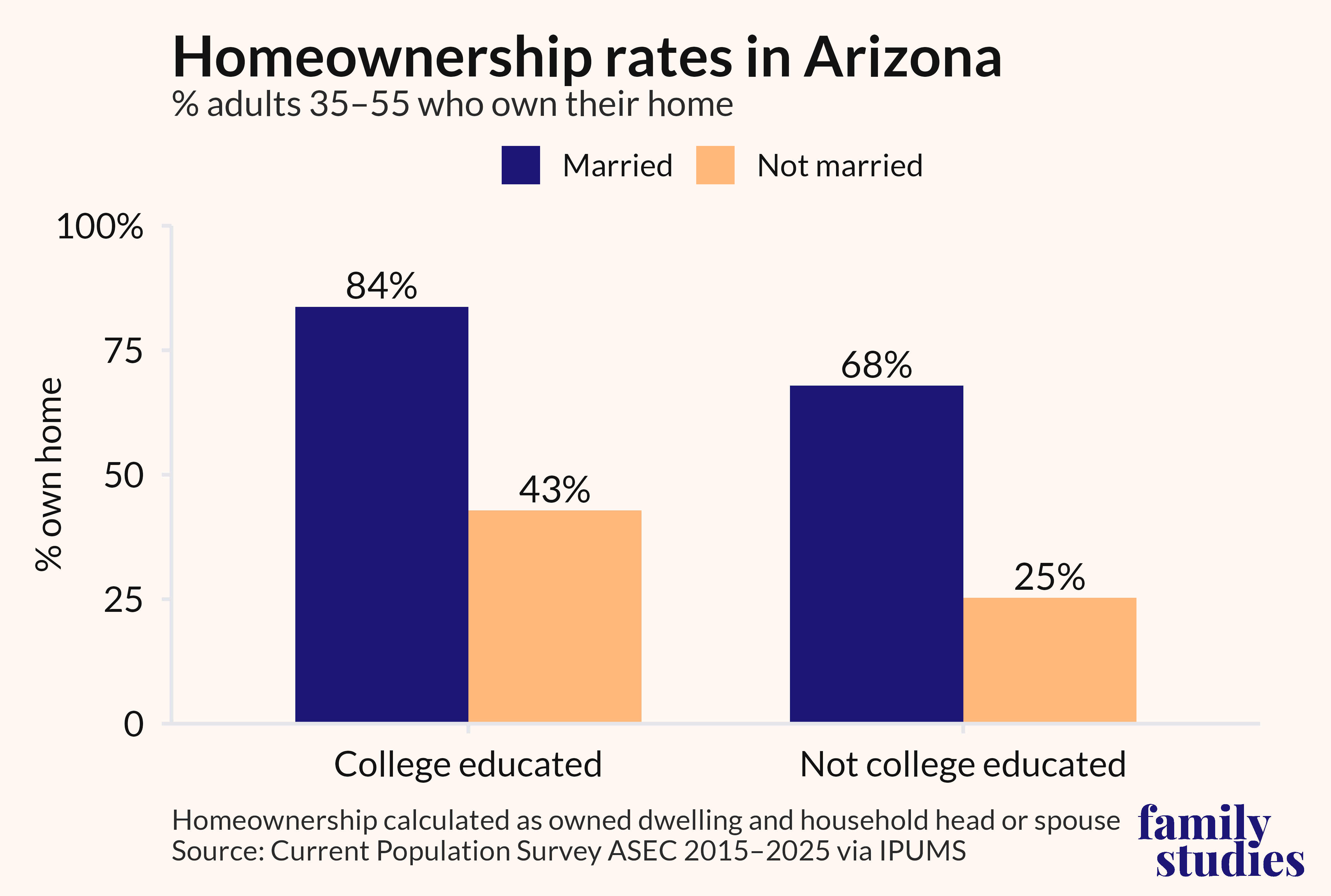
Figure 16. Percent of AZ adults ages 35-55 who own their home, by education.
This dynamic is clearly visible across educational lines in Arizona. Among married Arizonans ages 35–55, 84% of college-educated and 68% of less-educated adults own their home. This is dramatically higher than the 43% of unmarried college-educated and 25% of unmarried less-educated adults who own their own homes.
Marriage also increases the likelihood of homeownership for those across various income groups in Arizona.
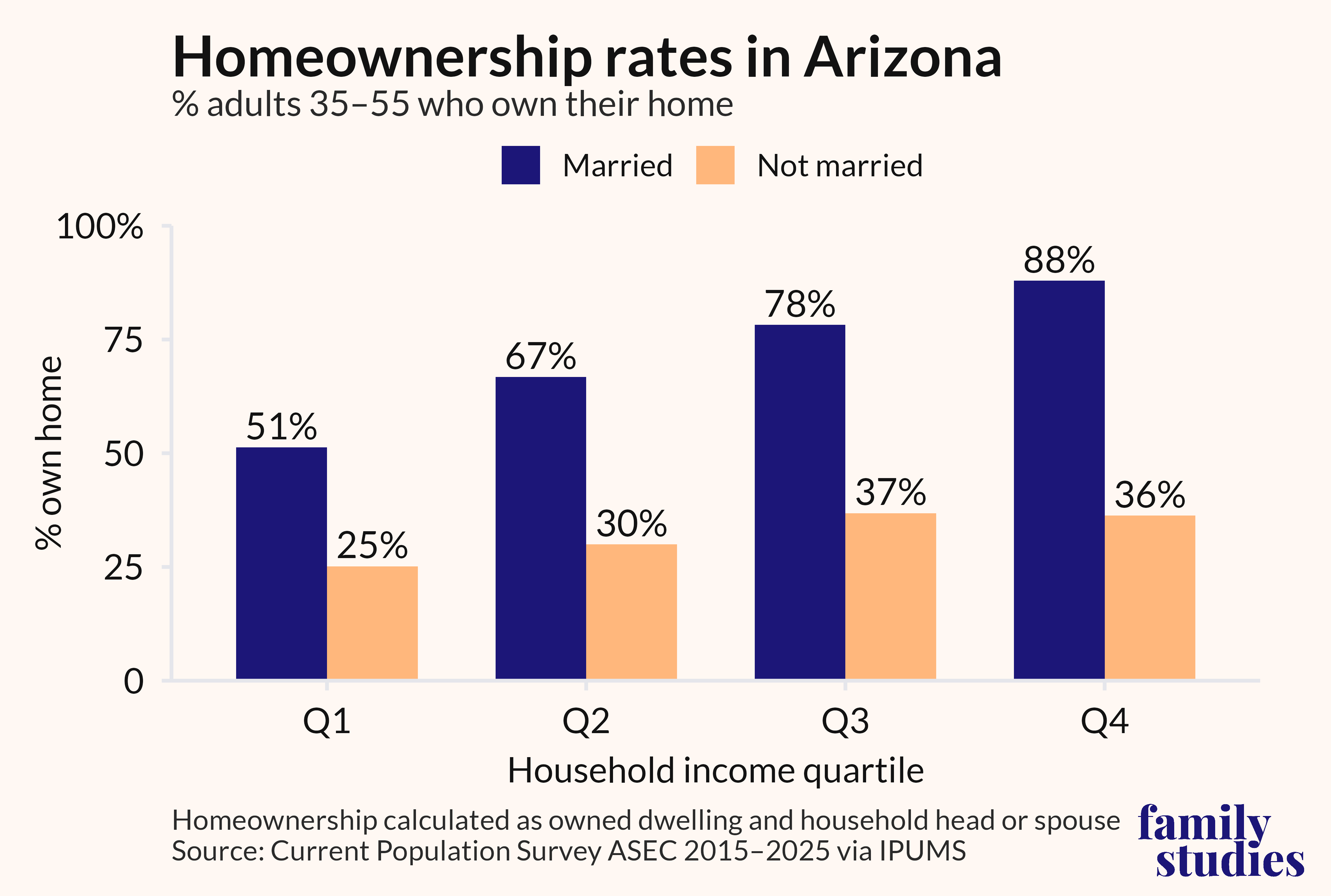
Figure 17. Percent of AZ adults ages 35-55 who own their home, by marital status and household income.
Among Arizonans ages 35 to 55, 51% of married adults in the bottom income quartile own their home, compared to just 36% of unmarried adults in the top income quartile. This demonstrates that across all income levels, married Arizonans are more than twice as likely as their unmarried peers to own their own home.
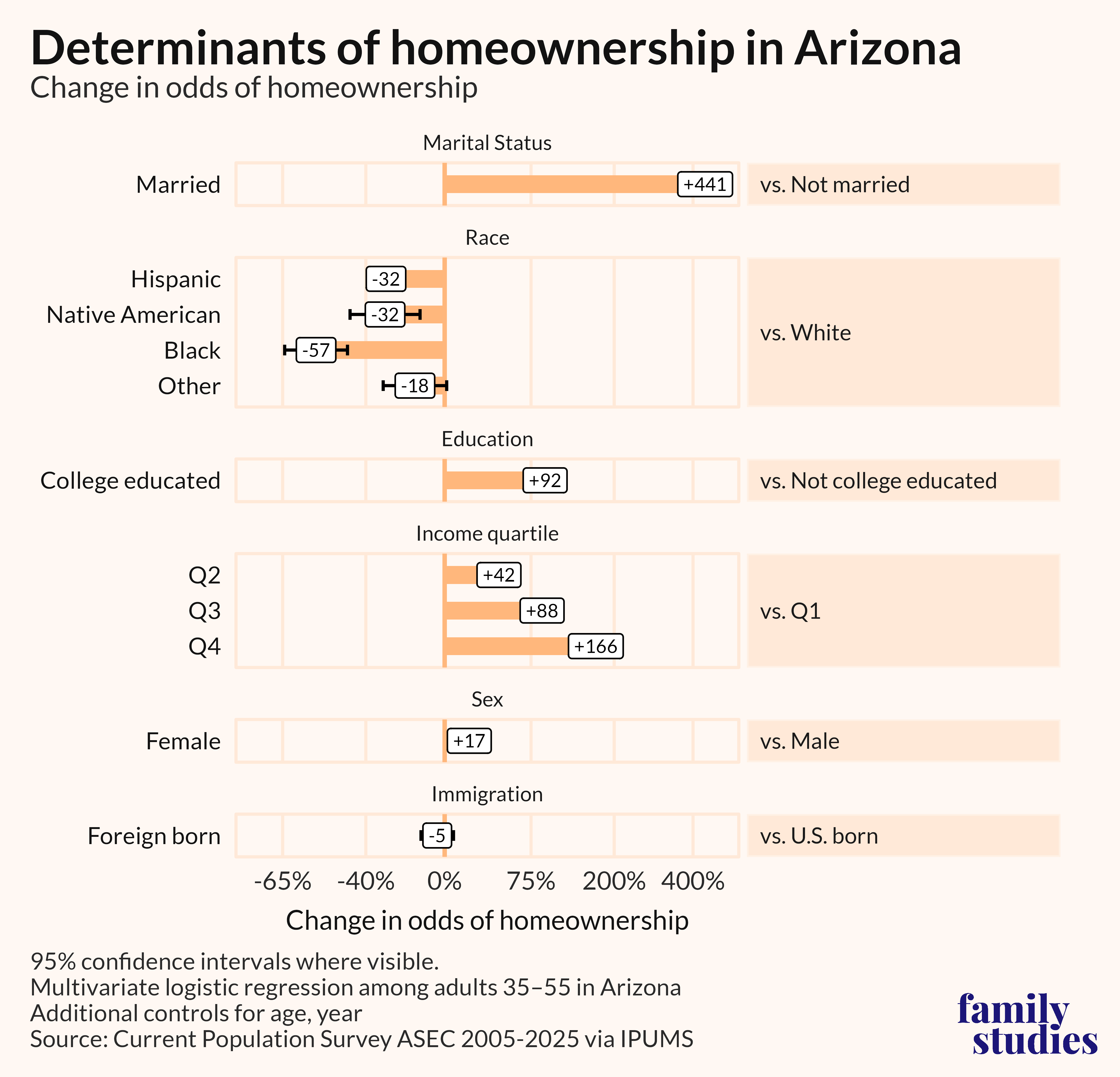
Figure 18. Change in odds of homeownership in AZ by various characteristics
Indeed, in a multivariate model, being married is by far the strongest predictor of homeownership in Arizona among adults ages 35 and up, surpassing factors like income, education, and race.Homeownership is not just a personal benefit, either. It is clear that greater homeownership strongly improves the lives of others. It stabilizes and improves entire communities. It seems to foster the educational attainment of children in demonstrably positive ways. Few things determine the safety, quality, and security of Arizona’s neighborhoods more than owning a home. Thus, where marriage is stronger, so, too, is the fabric of communities across Arizona.
Marriage and Public Benefits
If homeownership is an indicator of prosperity, welfare receipt is an indicator of material want. Not surprisingly, marriage powerfully predicts lower public assistance, as measured by the receipt of food stamps, Medicaid coverage, cash welfare, or Social Security disability insurance in Arizona. While marriage protects both men and women from welfare dependence, it is a more powerful protector for women. This is because unmarried women are more likely to be caring for children than unmarried men. Specifically, only 15% of prime-aged (25-55) married men and women in Arizona receive welfare compared to 24% of unmarried men and 34% of unmarried women.
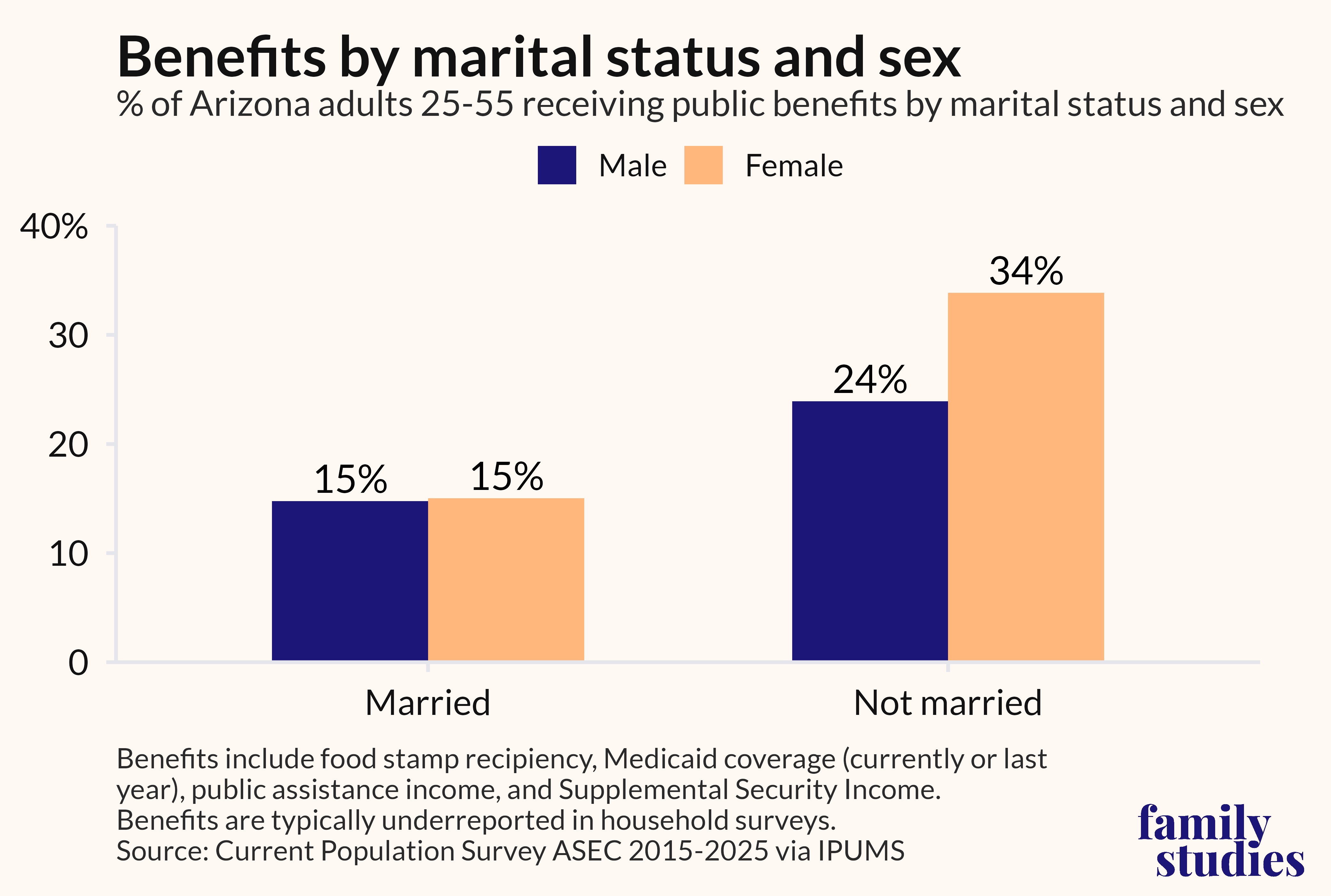
Figure 19. Share of AZ adults ages 25-55 receiving public benefits by marital status and sex.
These numbers likely underestimate total benefits received. National surveys tend to underreport the number of Americans who are receiving public benefits.
Arizona Families and the Common Good: The County Story
Marriage doesn’t just benefit individual children or adults in Arizona; it also delivers fiscal savings and strengthens entire communities. We have already seen that children do better, at the district level, when they live in communities where marriage is the dominant norm. We see similar patterns when we look at county trends in family structure, crime, and poverty.
At the county level, Greenlee, Yuma, and Yavapai are most likely to have married prime-aged adults (25-54). These counties have, respectively, 61%, 59%, and 55% of such adults who are married. By contrast, Apache is least likely to have married adults, with just 35% of its prime-aged adults married. Mohave and Graham are tied at 51%, and Gila, Navajo, and Coconino are tied at 49 percent. The remaining counties, Pima, La Paz, Pinal, Maricopa, Cochise, and Santa Cruz, have between 50% and 54% of prime-aged adults who are married.
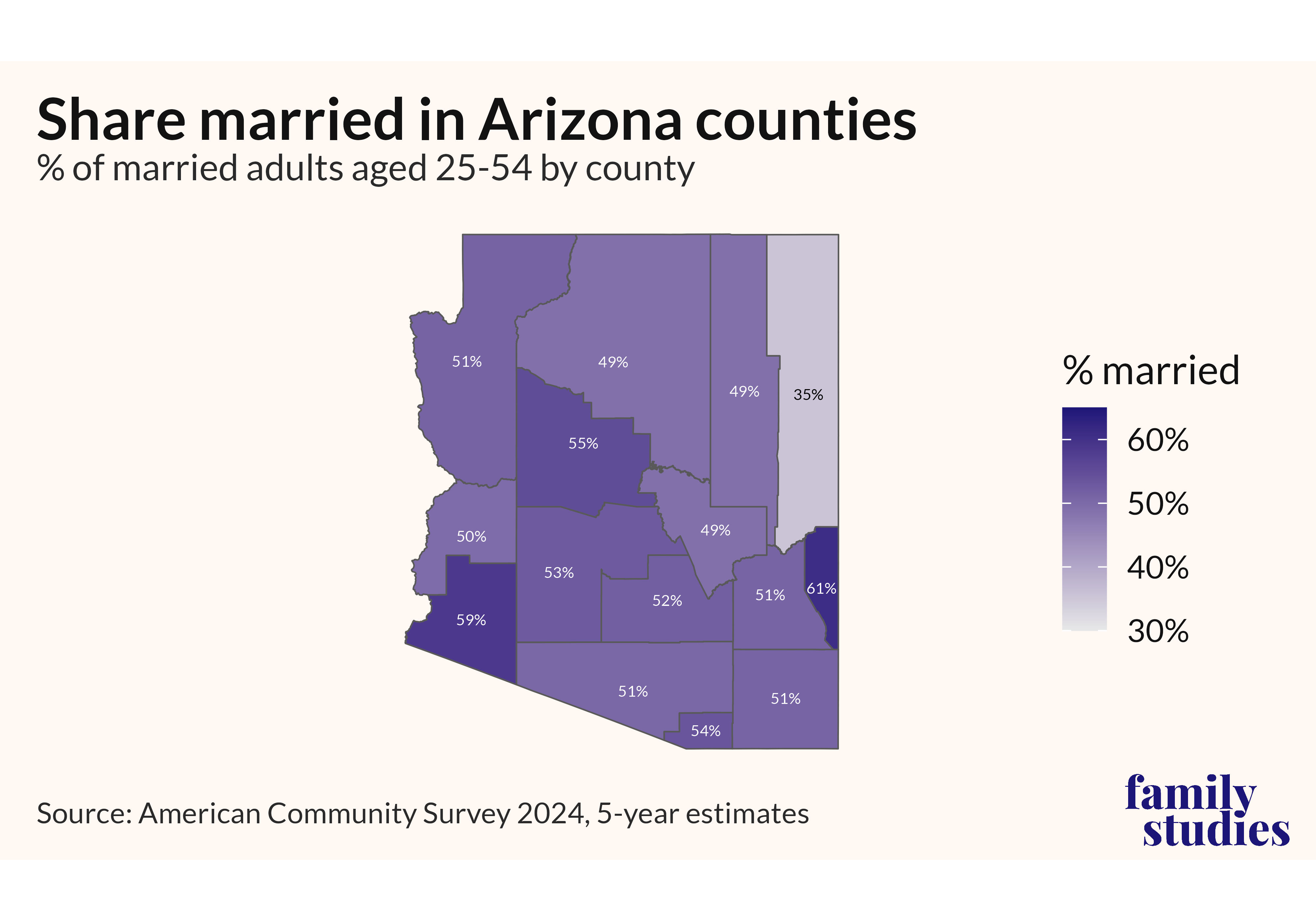
Figure 20. Percent of married adults ages 25-54 by Arizona county.
Research by economists Raj Chetty and Joseph Price indicates that communities marked by greater family instability across the United States have more incarceration and less economic mobility. We see parallel trends in Arizona. With the exception of Apache county, the county data generally indicate that violent crime is lower in counties across the state that have more married adults (ages 25-54).
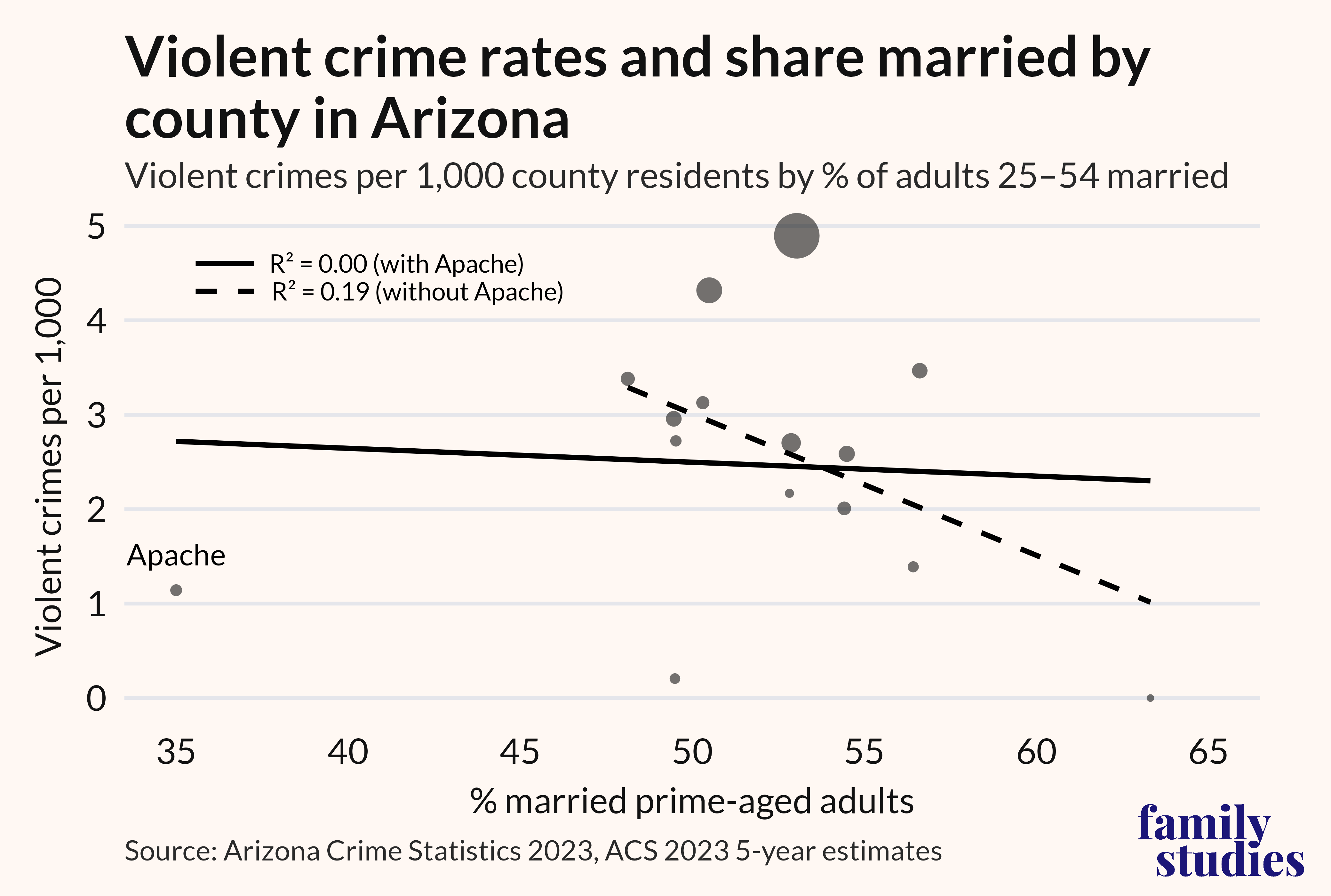
Figure 21. Violent crimes per 1,000 AZ county residents against the share of married adults ages 25-54.
Likewise, poverty is lower in counties with more married adults. For instance, in Maricopa county, 53% of men and women ages 25-54 are married, and the poverty rate is just 9 percent. By contrast, in Apache county, 35% of men and women in this age group are married, and the poverty rate is 29 percent.
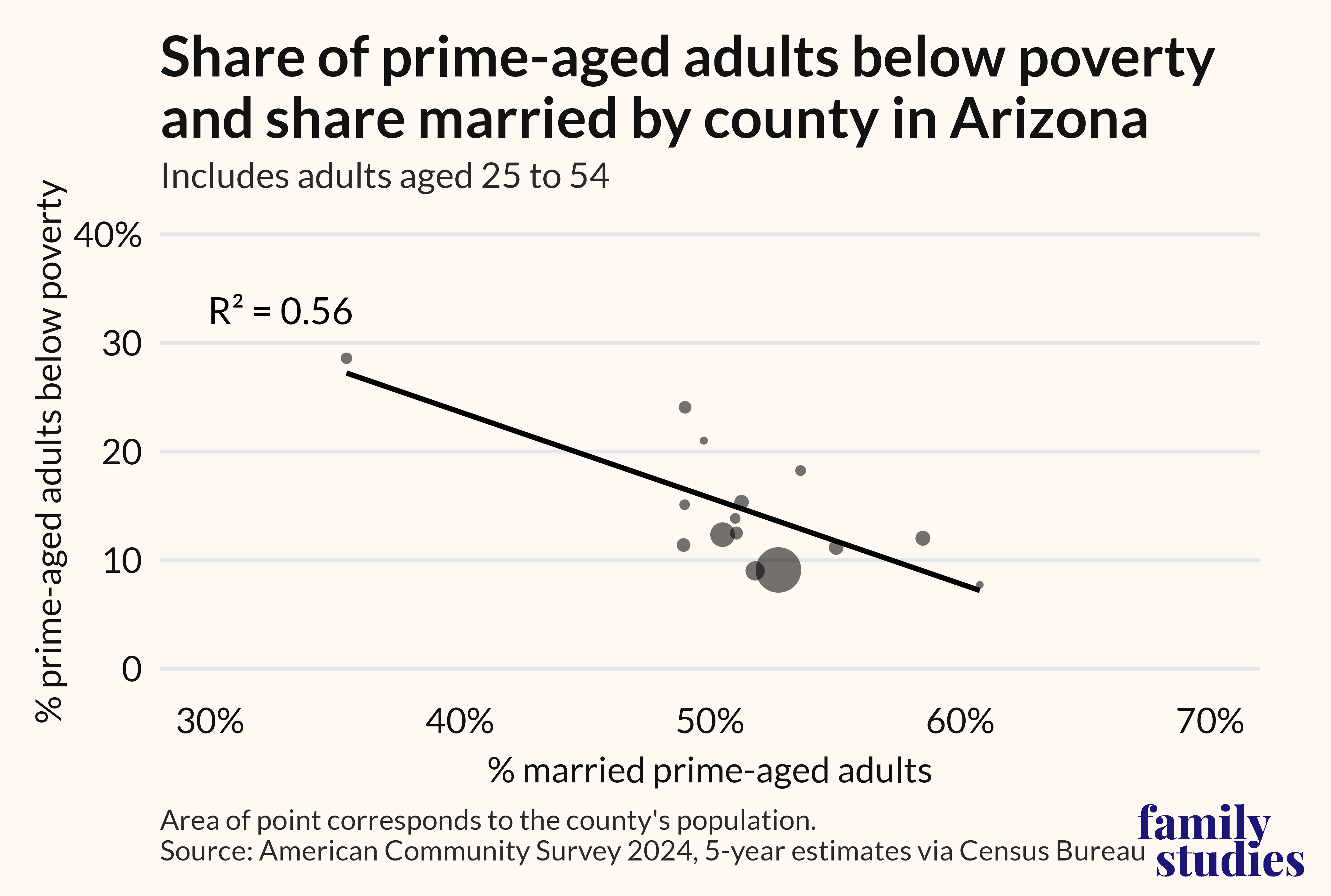
Figure 22. Share of prime-aged adults below poverty and share married by county in Arizona.
For a more prosperous Arizona, where communities and individual men, women, and children are happier, stronger, safer, better educated, less dependent on welfare, and better protected from poverty and abuse, we must promote a greater appreciation and respect for the power of marriage and healthy family life in the state. Increasing rates of marriage are essential for more Arizonans to realize the American Dream.
The State of Arizona Unions
We have made a research-based case for the ways that strong and stable families elevate well-being for men, women, and children across Arizona. But what is the state of Arizona families as a whole? The Family Structure Index, developed by the Institute for Family Studies (IFS) in collaboration with the Center for Christian Virtue, tracks three key family metrics: marriage, fertility, and intact families. Specifically, we look at the share of prime-age adults (25 to 54) who are married, the number of children women will have in their lifetime, and the share of teens who will grow up with married parents.
With these three key metrics, we calculate a family structure score, which is then used to provide a ranking among states each year. Arizona has, unfortunately, consistently trailed most other states in the Family Structure Index. Using the latest data from 2024, we find that Arizona ranks 35th in the Union.
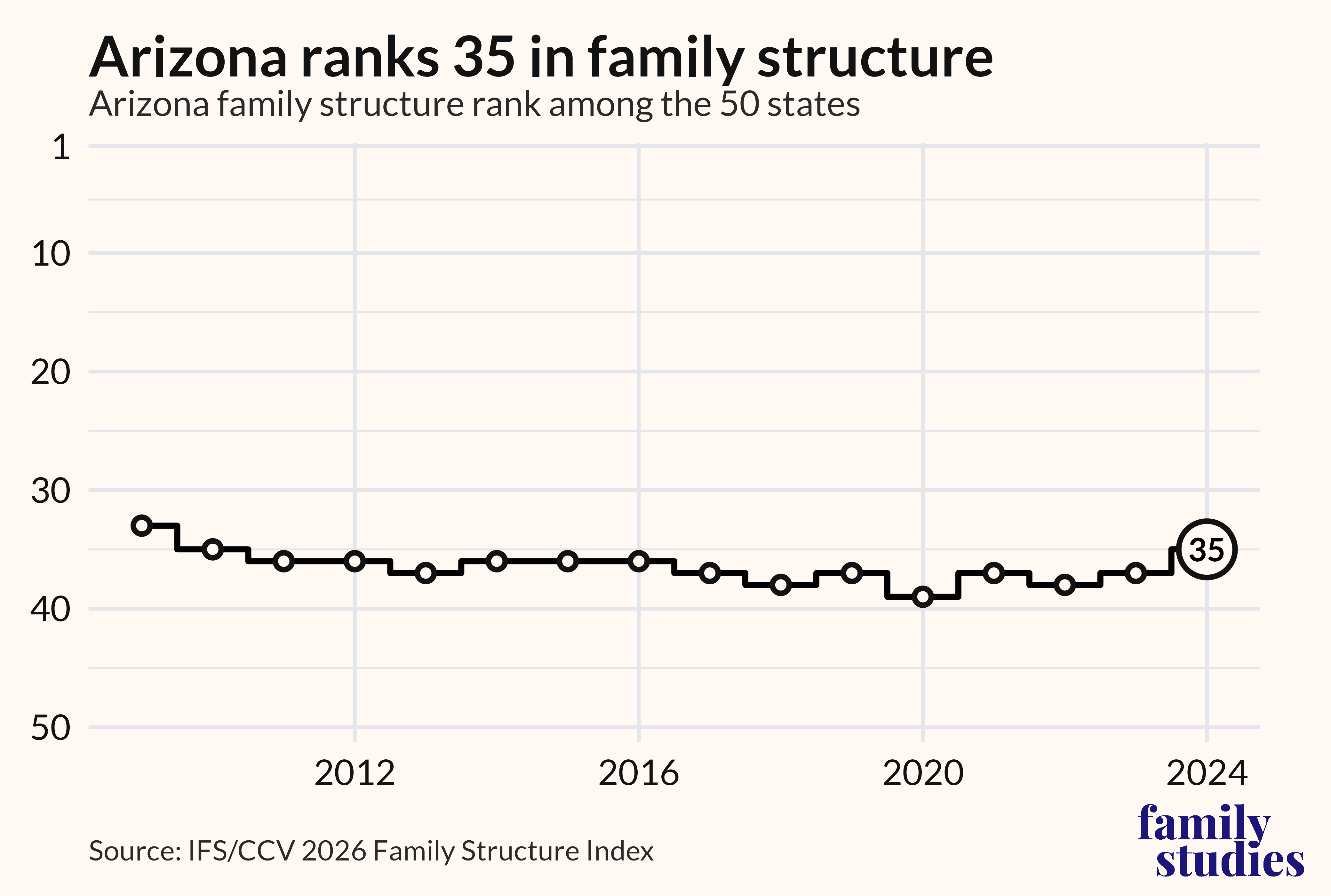
Figure 23. Arizona family structure rank among the 50 states.
Arizona’s consistent ranking over the years between 33 and 39 hides some nuance in the state’s changing family landscape. Relative to the whole United States, Arizona has a smaller share of prime-age married adults and teens in intact homes. Since 2020, the gap between the rest of the U.S. and Arizona has shrunk on these metrics, if just slightly. As we will show later in the report, the share of all children in Arizona living with married parents has been rising steadily since 2010.
Arizona’s total fertility rate has fallen at a significantly faster pace than the U.S. over the past 15 years, though it has remained near national levels since 2020. Together, these trends mean Arizona has jumped four places on the Index, from a rank of 39 to 35, since 2020.
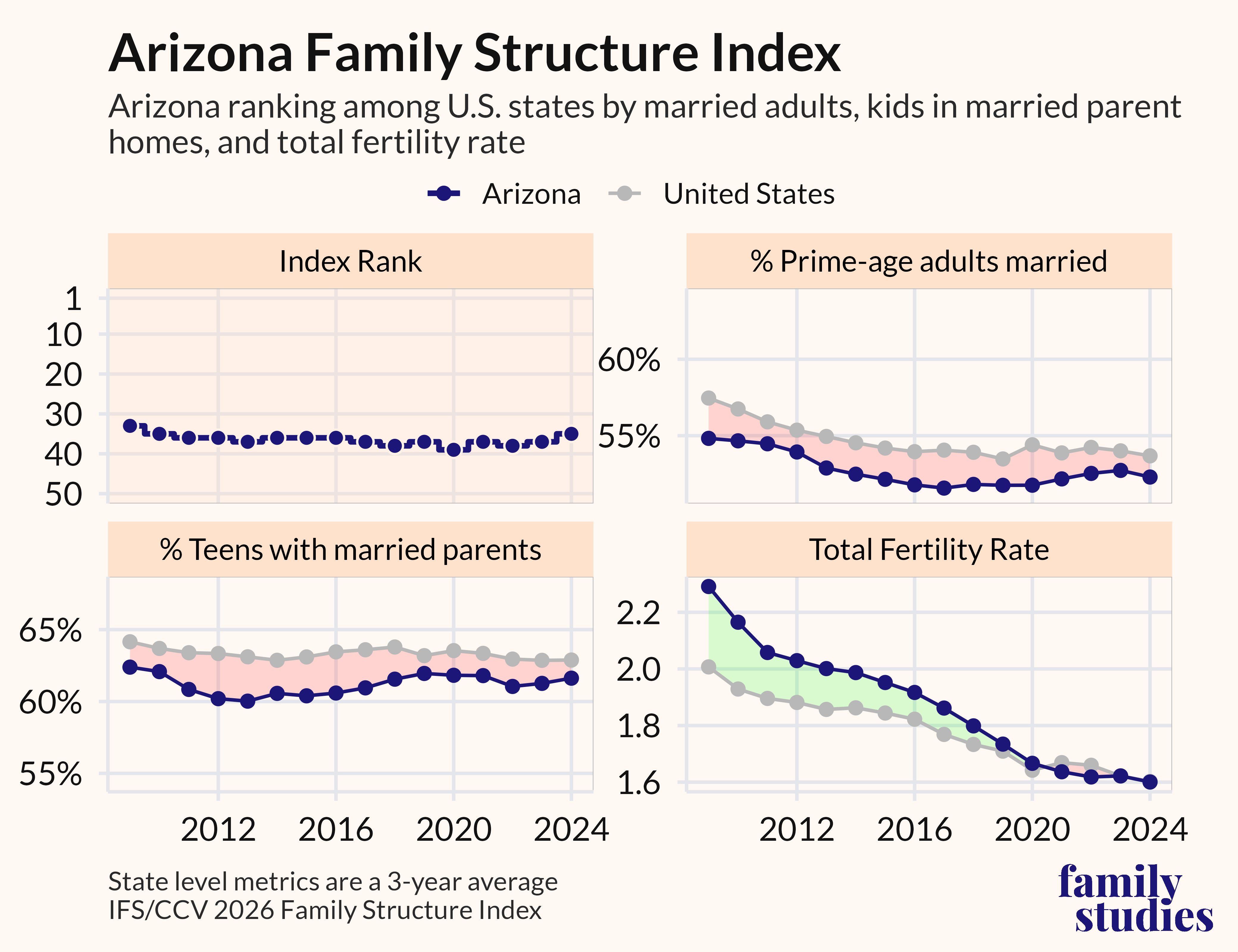
Figure 24. Arizona and U.S. Family Structure Index.
Each of these components of the Family Structure Index—marriage, parenthood, and intact families—contribute to the health and flourishing of Arizona. We will now take a closer look at the underlying dynamics driving these trends, beginning with marriage.
Marriage Rate
Unfortunately, the marriage rate has fallen in the United States in recent decades. The same is true for Arizona.
In 2000, there were 45 newlyweds for every 1,000 single adults in Arizona. The marriage rate fell to about 30 in 2013 before flattening out for the next decade, following national trends. Overall, this means that fewer Arizonans are now able to take advantage of the benefits that marriage provides to men, women, and their children of all races and socio-economic classes than was the case at the turn of the century.
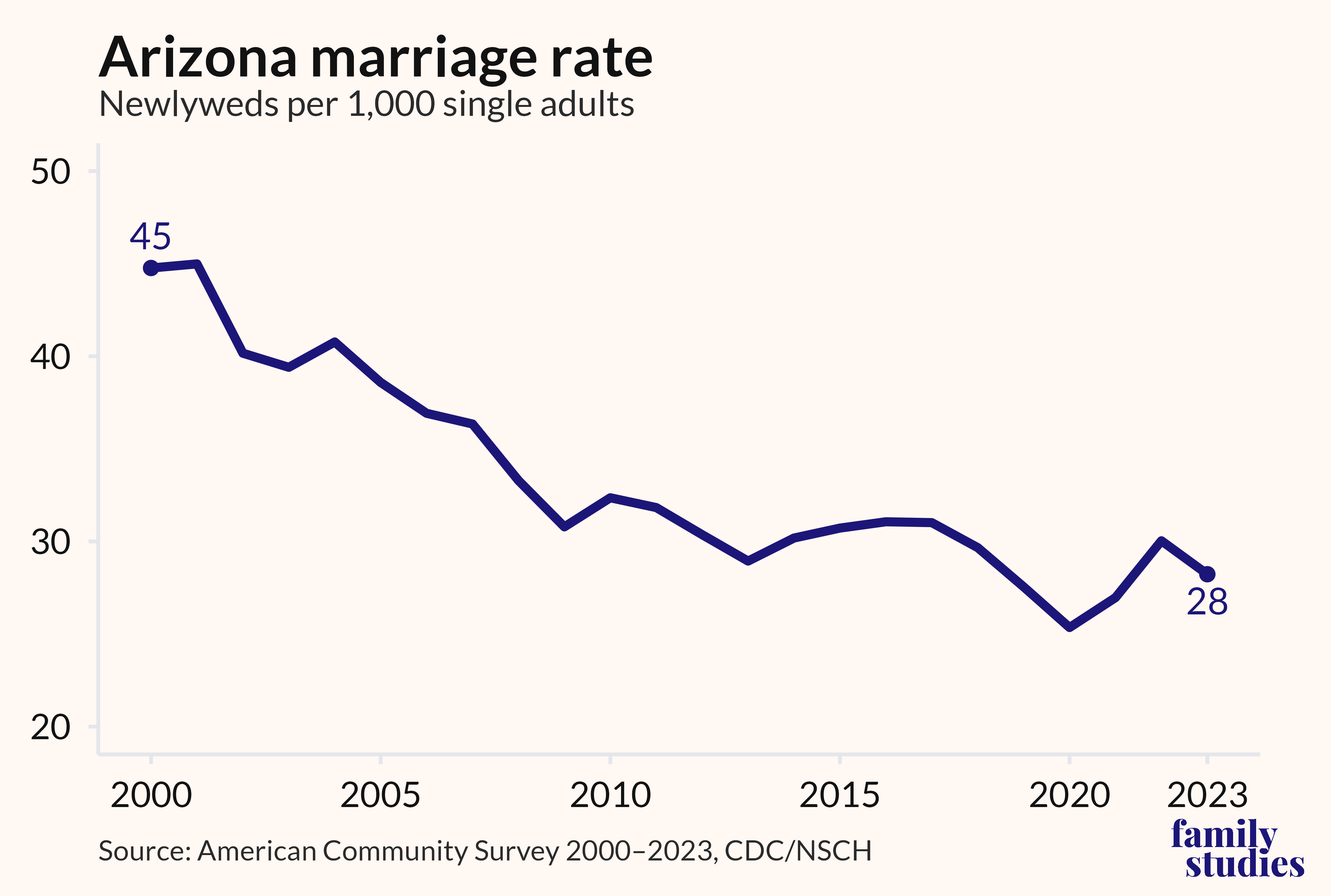
Figure 25. Arizona newlyweds per 1,000 single adults by year.
Divorce Rate
At the same time, Arizona’s divorce rate, like the rest of the nation, has been declining steadily since the mid-1980s. Is this because marriages in Arizona are more durable?
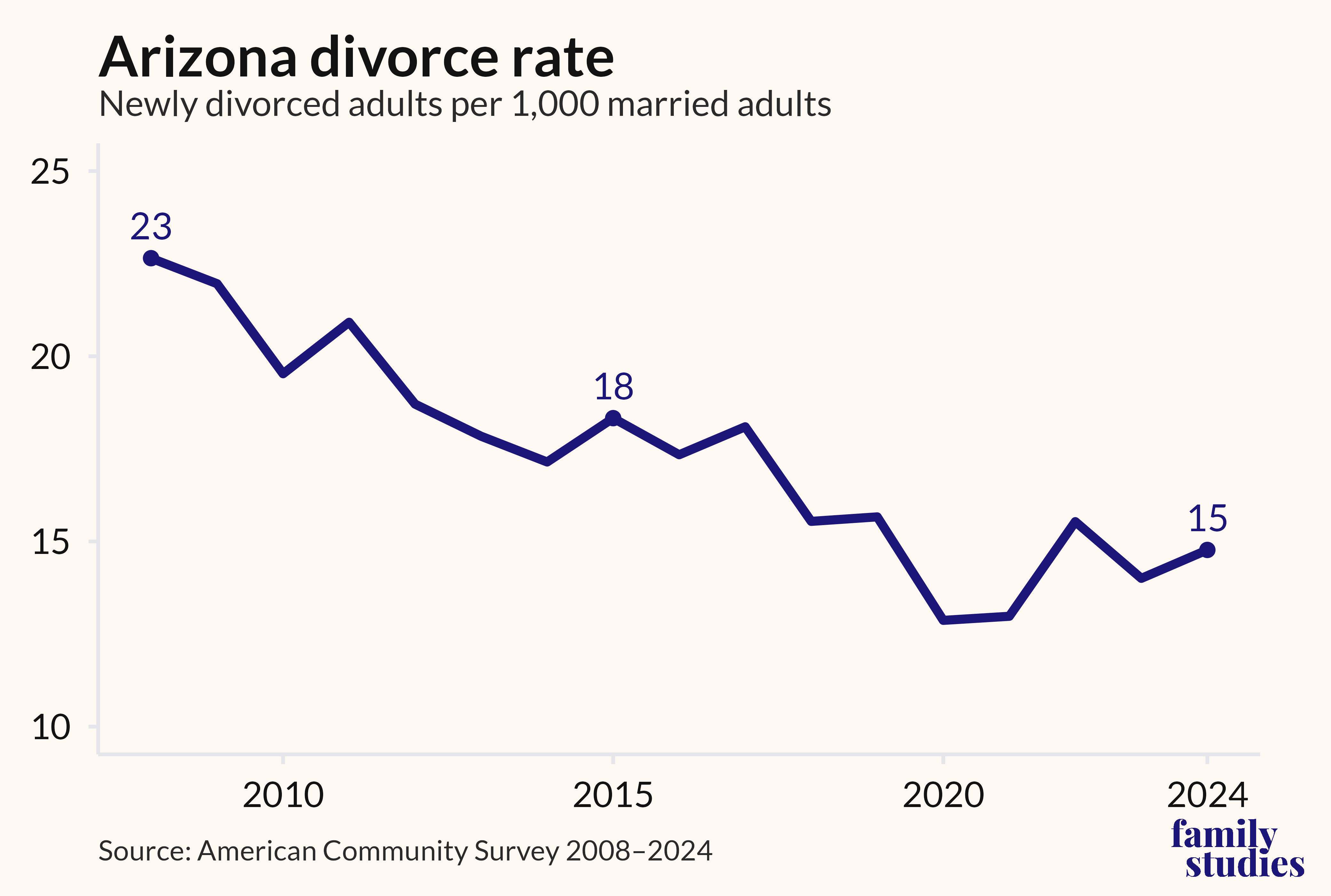
Figure 26. Divorces per 1,000 married adults in Arizona by year.
In simple terms, yes. Arizona marriages have been more durable in recent years than they were at the turn of the century. This is partly because marriage has been declining, which makes the adults who do tie the knot more selective and intentional, and less likely to land in divorce court. This is good news for those Arizonans who are getting married. But the bad news is that dramatically fewer adults across the state are married.
Percent of Arizona’s Married Adults
Another way to measure marriage dynamics is the percentage of all adults living in married-headed homes. Nationwide, the share of men and women who are married has recently declined to about 1-in-2.
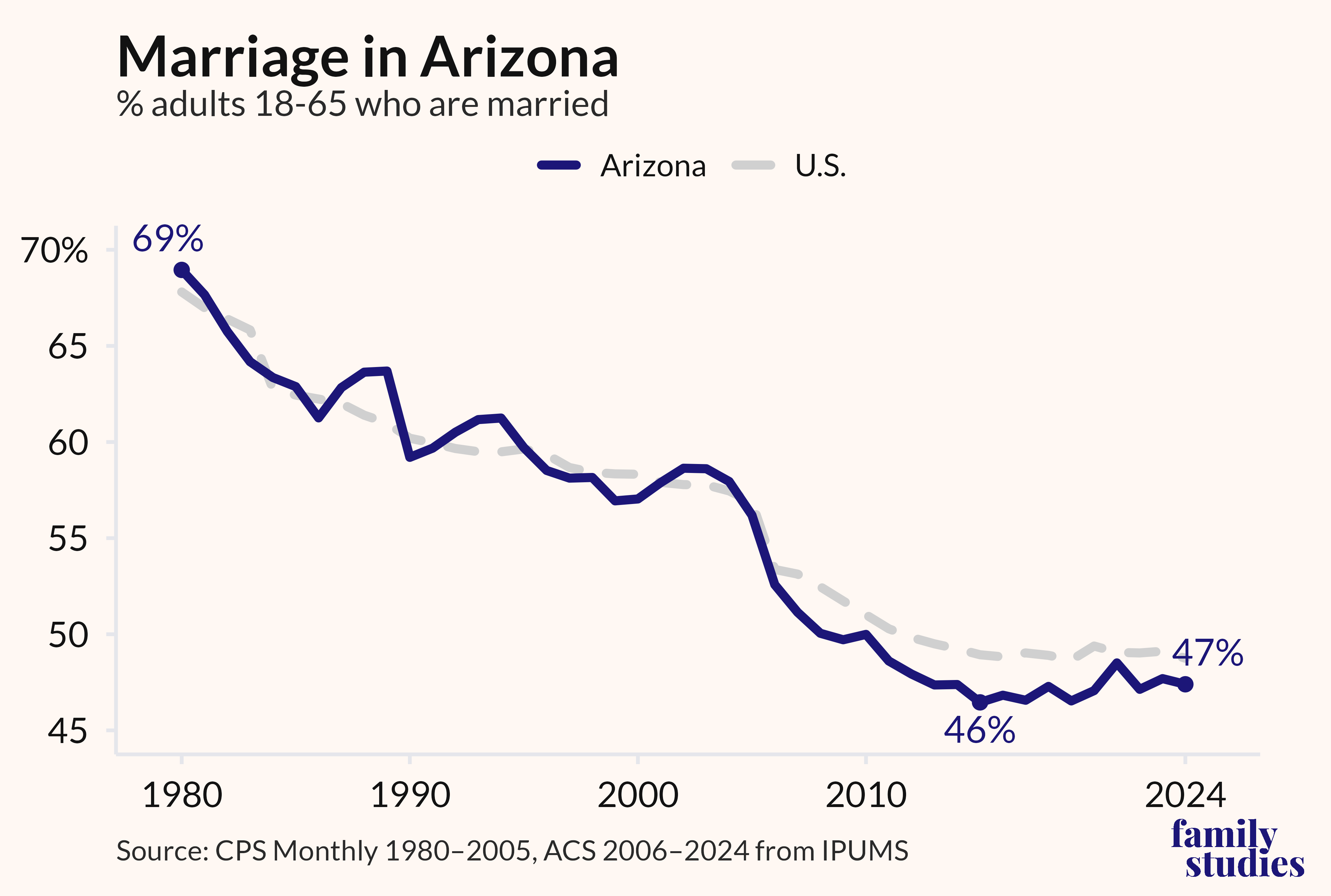
Figure 27. Percent of AZ adults ages 18 to 66 who are married by year.
This flattening trend follows a broader U.S. pattern. It is up to Arizona’s various community institutions—churches, families, schools, city, county, and state governments, and individuals—to work toward the common goal of boosting the state’s marriage rates in order to elevate individual and collective well-being.
One cause for the decline of marriage in Arizona is delayed marriage. In Arizona, as in the whole nation, young adults are often strongly encouraged to save marriage for their thirties. Additionally, a declining share of young adults report success in finding a partner. As a result, the average age of first marriage has steadily risen in Arizona. Using annual marriage data from the American Community Survey, we find that the average age of first marriage in Arizona rose from 28.8 in 2008 to 30.2 in 2024, following national trends.
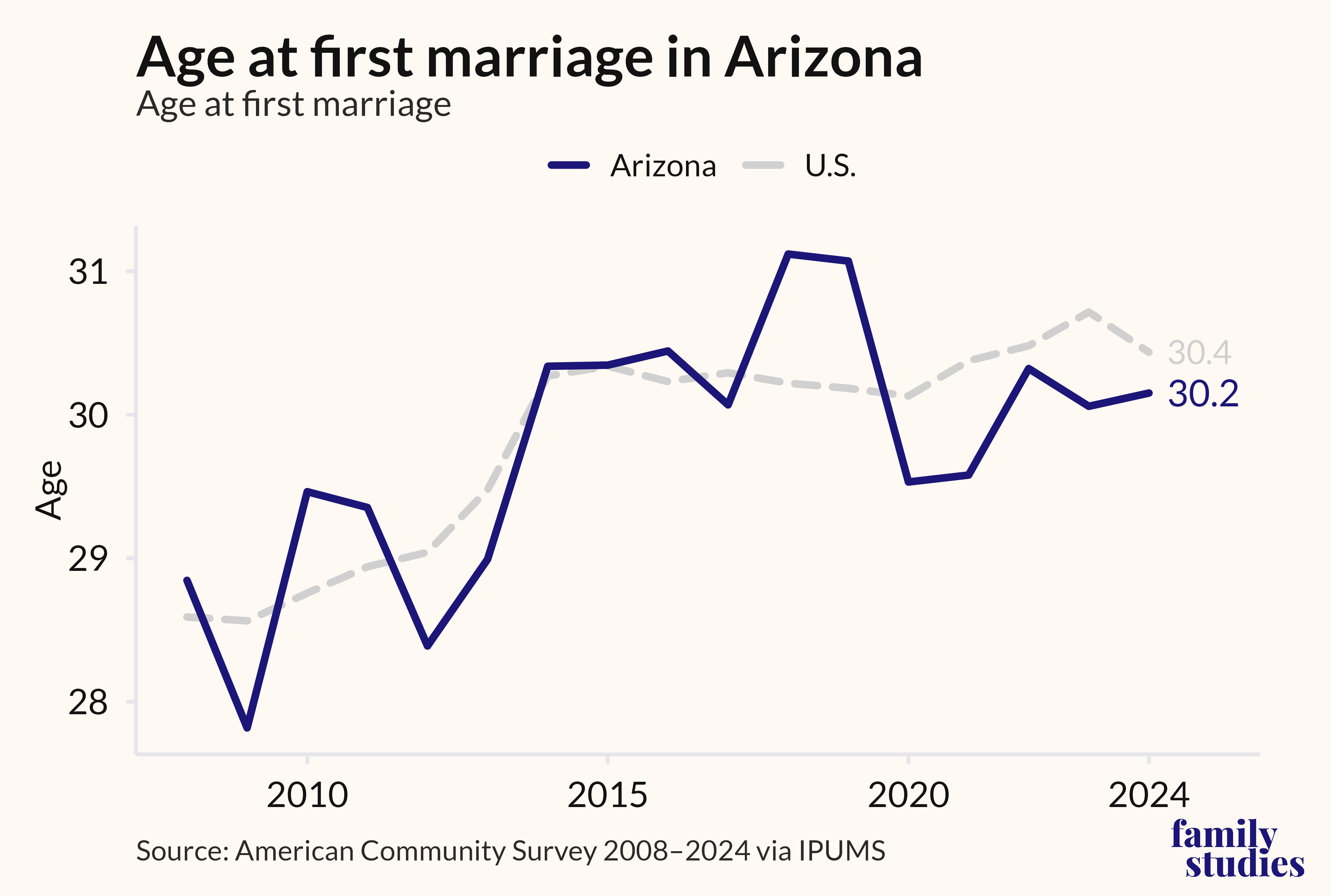
Figure 28. Age at first marriage in Arizona.
As Brad Wilcox has recently argued, young adults are not benefiting from the movement towards later-in-life marriage. Encouraging marriage among young adults in their twenties is one way to build a strong marriage and family culture in Arizona.
Married and Unmarried Birth Rates
One of the most important indicators for child well-being is being born into a married home with one’s own mother and father and remaining there through adolescence.
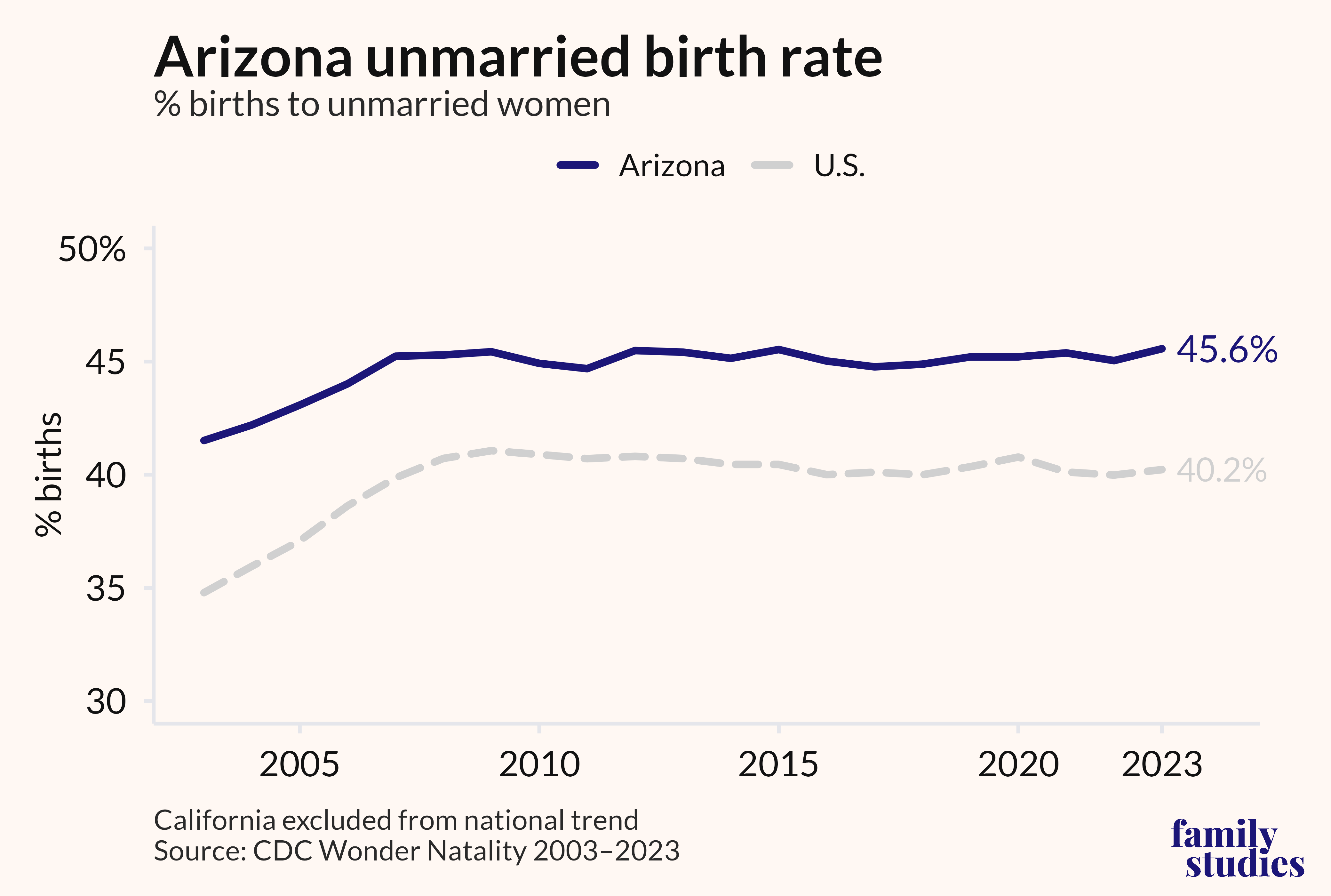
Figure 29. Percent of births to unmarried women in Arizona and U.S. by year.
The leveling off of nonmarital childbearing plus the decline in the divorce rate have important implications for the share of Arizona children who are living with married parents. The share of children living with married parents reached its lowest point in 2011 at 58 percent. Since then, Arizona has seen a small but steady trend upward. In 2024, 62% of Arizona children lived with married parents. This is an encouraging trend to be sure, but it is just under the trend for the nation,which is 63%, according to the 2024 ACS. Again, at least the trendline is going in the right direction. The state would be wise to boost it.
Thus, the share of children being raised by married parents is one of the most important indicators for future community growth and population well-being, as this drives so many other factors: physical and mental health, child longevity, educational success, behavioral problems at school and in the community, protection from abuse, and poverty.
One factor driving this trend is the unmarried birth rate in Arizona, which is 45.6% of total births, notably above the national average (of 40%). However, following national trends, Arizona’s unmarried birth rate has leveled out since the late 2000s and remains generally steady.
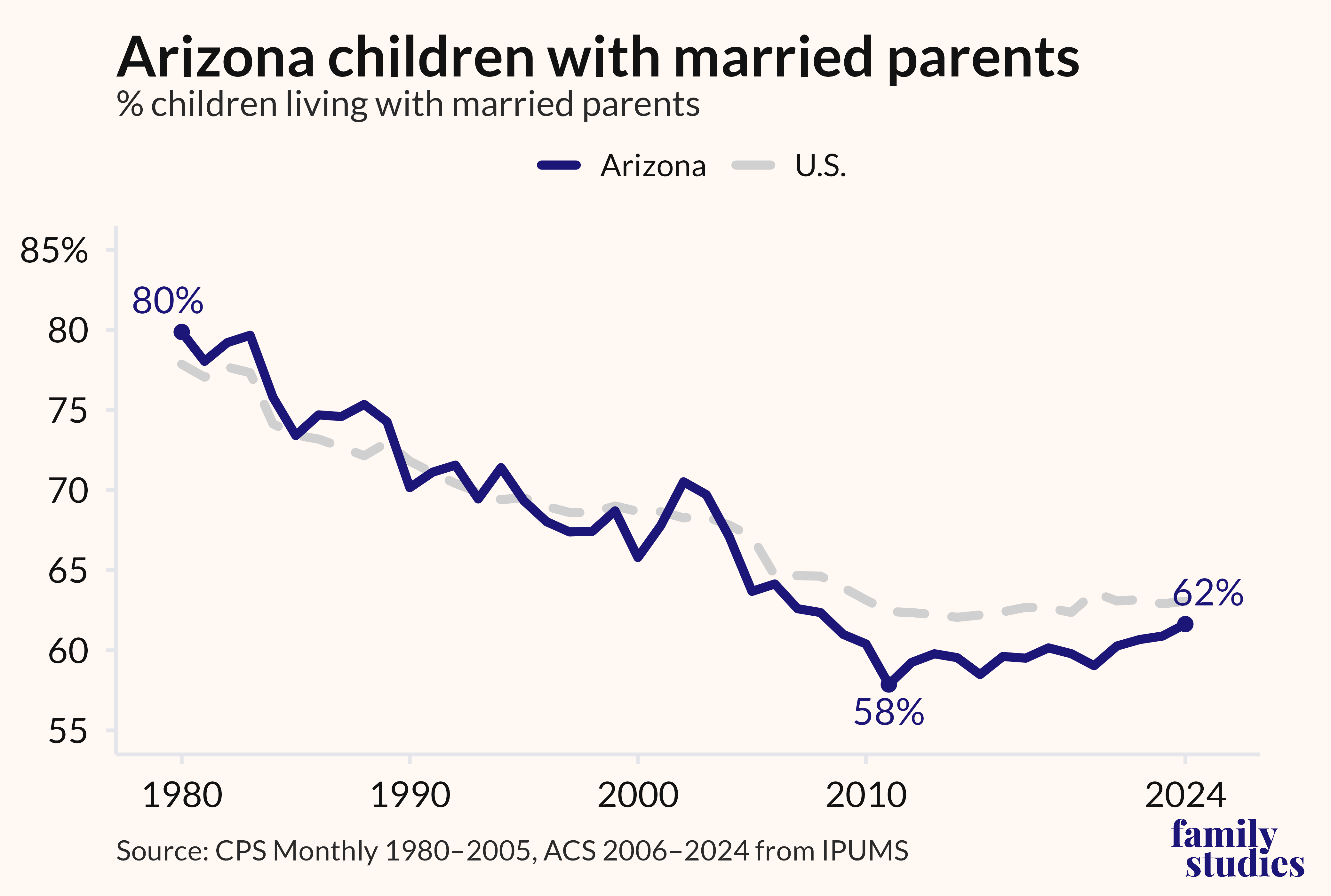
Figure 30. Percent of children living with married parents in Arizona and U.S. by year.
Unmarried Births by Race
Unmarried birth rates vary across race and ethnicity, both nationally and in Arizona. Arizona is just above the national average for unmarried births for Whites and Hispanics, and notably under for Black women.
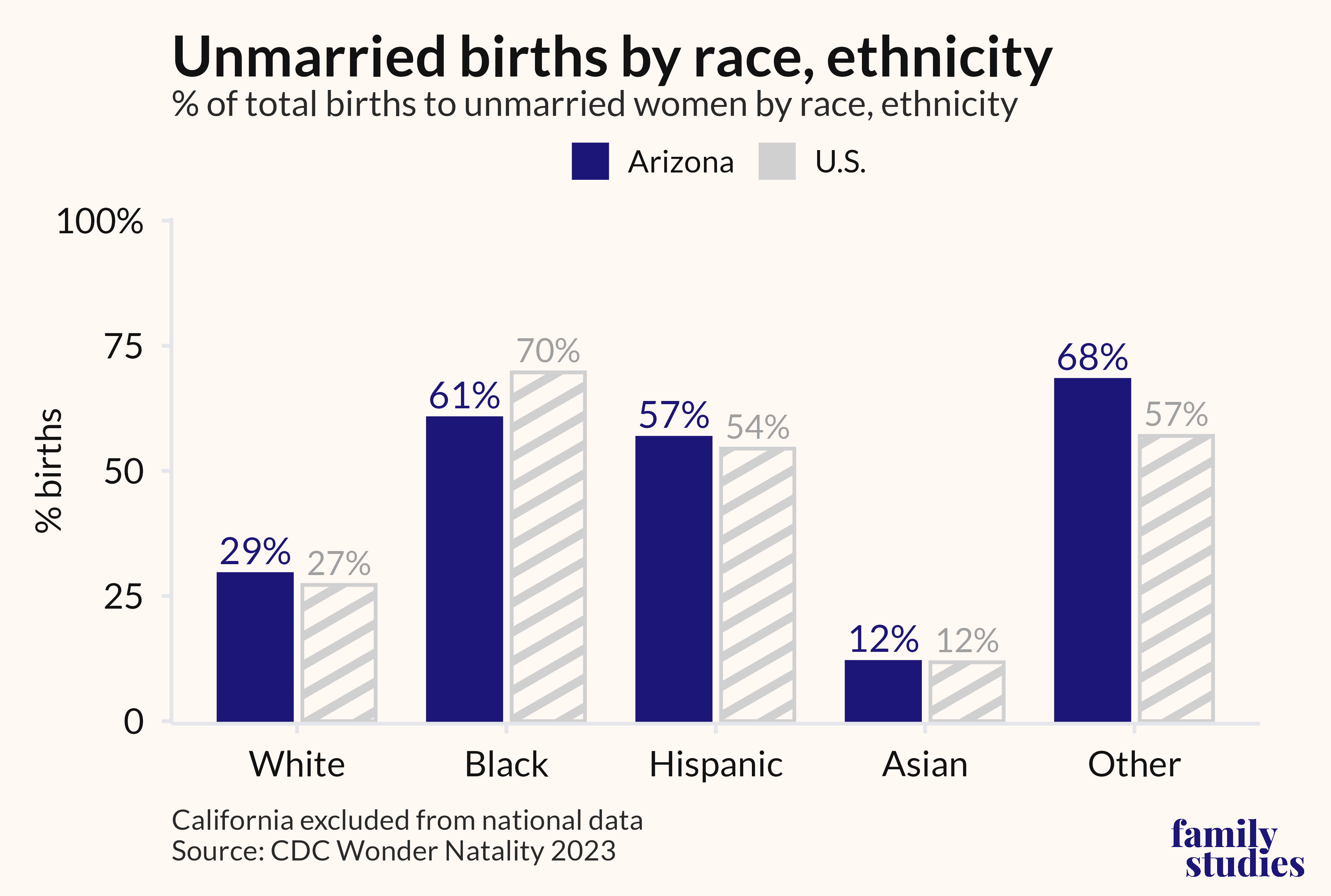
Figure 31. Percent of total births to unmarried women by race and ethnicity for AZ and U.S.
As it stands now, White Arizonans make up the majority of the population. According to the 2024 American Community Survey, 51% of Arizonans are White, 31% are Hispanic, 4% are Black, 4% are Native American, and 9% are non-Hispanic of two or more races.
Yet, the racial and ethnic character of the state is changing. Arizona is becoming more Hispanic by notable margins, while the White population is shrinking significantly with each decade. Among children, Hispanics are the largest group, followed by Whites. Other minority groups—Black, Native American, and Other races—are holding constant among Arizonans below age 50.
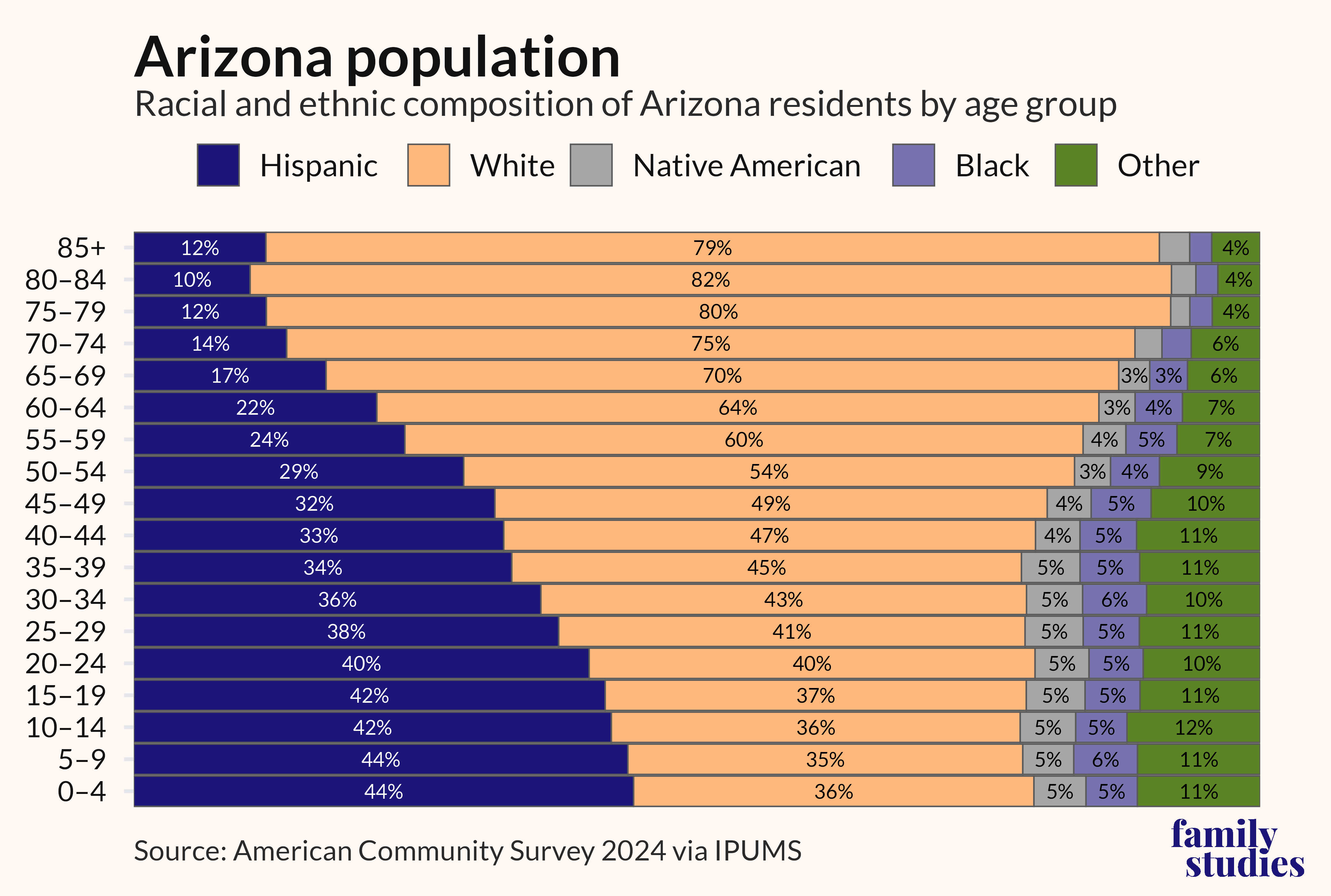
Figure 32. Racial and ethnic composition of AZ residences by age group.
The changing racial and ethnic composition of Arizona will have an effect on future demographic outcomes, like the unmarried birth rate. Thus, the marital trajectory of births in the state will likely depend in large part upon whether or not unmarried childbearing among Hispanic women trends downward.
Unmarried Births by Educational Status
Trends in non-marital childbearing in Arizona also vary by education. A majority, or 85%, of children born to college-educated parents are born in marriage. But only 42% of children born to less-educated parents are born in marriage.
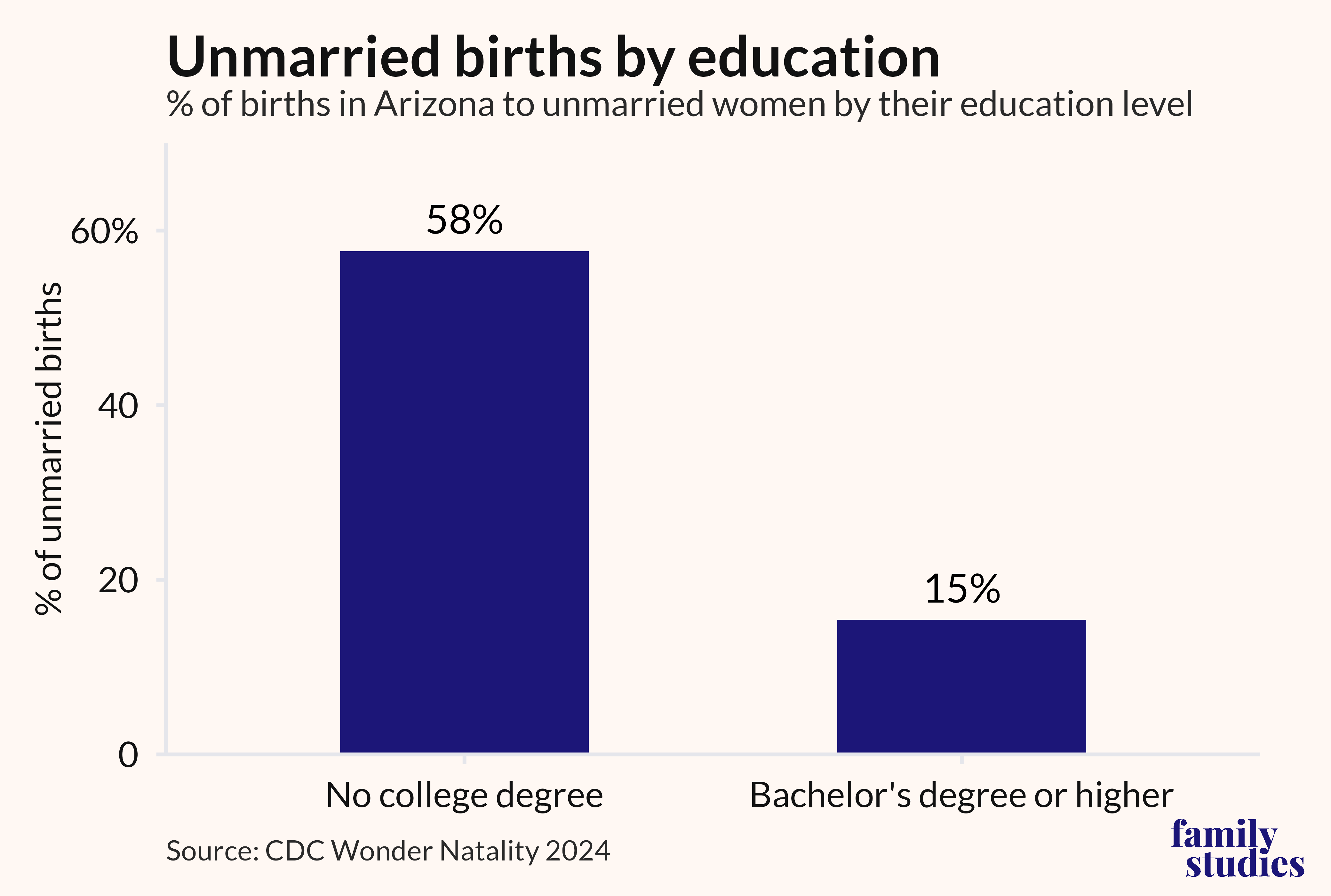
Figure 33. Percent of births in AZ to unmarried women by education.
The State of Arizona Family Structure
Still, most Arizona children (58%) live with their married, biological parents, although this is markedly below the national average of 65 percent. Overall, a majority of children in Arizona benefit from the premium of being raised by their own married mother and father.
About one-fifth of Arizona kids live with their single, biological mother, and just 6% live with cohabiting biological parents.
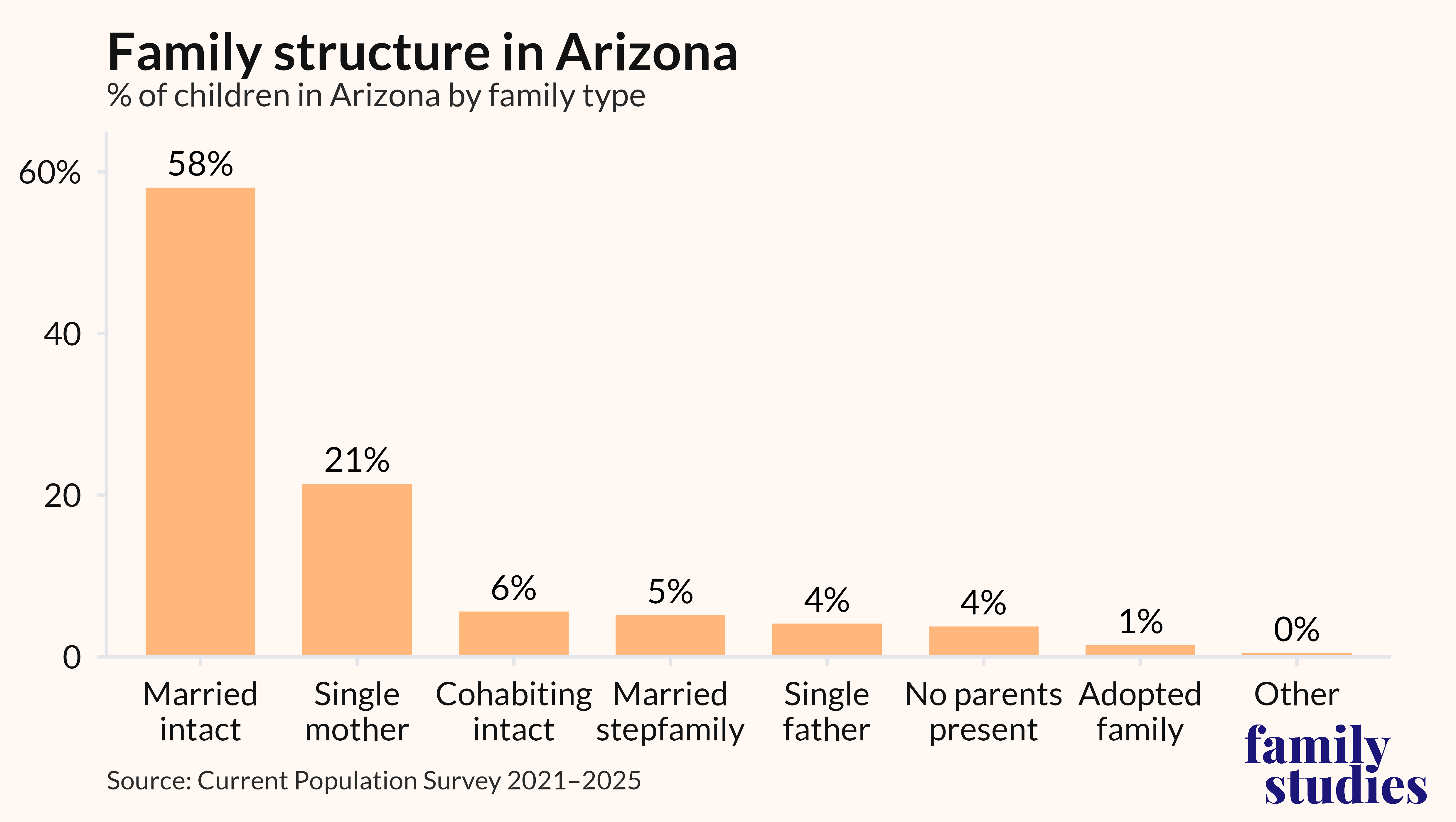
Figure 34. Percent of children in Arizona by family type.
When it comes to race, 69% of White Arizona children live with their married mother and father. Similar percentages of Native American and Black Arizona children (at 36% and 39%, respectively) are living with their own married mother and father.
Meanwhile, 42% of Black children, 27% of Native American children, and a quarter of Hispanic children are being raised by single mothers.
Native American children in Arizona are twice as likely as Hispanic children to be living with cohabiting parents at 14% and 7%, respectively. Only 6% of Black children live with cohabiting parents, as do an even smaller percentage of White children.
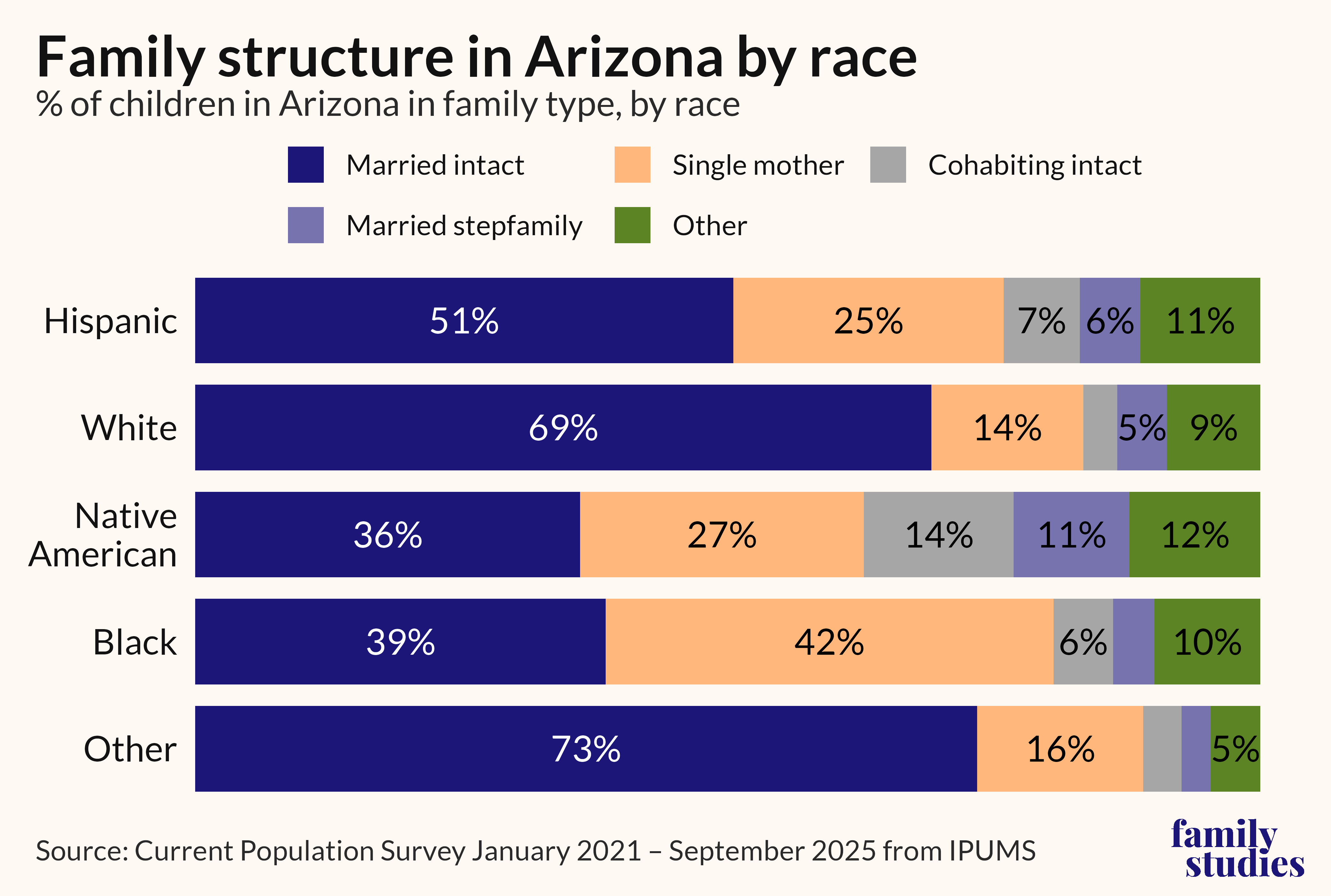
Figure 35. Percent of children in Arizona by family type and race.
Hispanic children make up the plurality of children in the state, at 42 percent. White children make up 37% of the child population, followed by 8% who are Native American (subdivided into 5% who identify as Native American only, and 3% as two or more races), and 5% who are Black, 3% Asian, and 5% two or more races.
Where Do Arizonans Come From?
Just 39% of Arizona residents were born in the Grand Canyon State. Most of the migrants into Arizona hail from other American states—with 15% of those coming from the Midwest, while 18% are Westerners who decided they liked Arizona better. Just 7% came from the South, and 6% are from the North.
But a large minority come from out of the country. According to the 2023 American Community Survey, 15% are foreign born, with 7% of those from Mexico, and 8% coming from elsewhere. These numbers, however, likely underestimate the share of foreign-born Arizonans, as response rates are significantly lower among Latin American immigrants and noncitizens ineligible for a Social Security number.
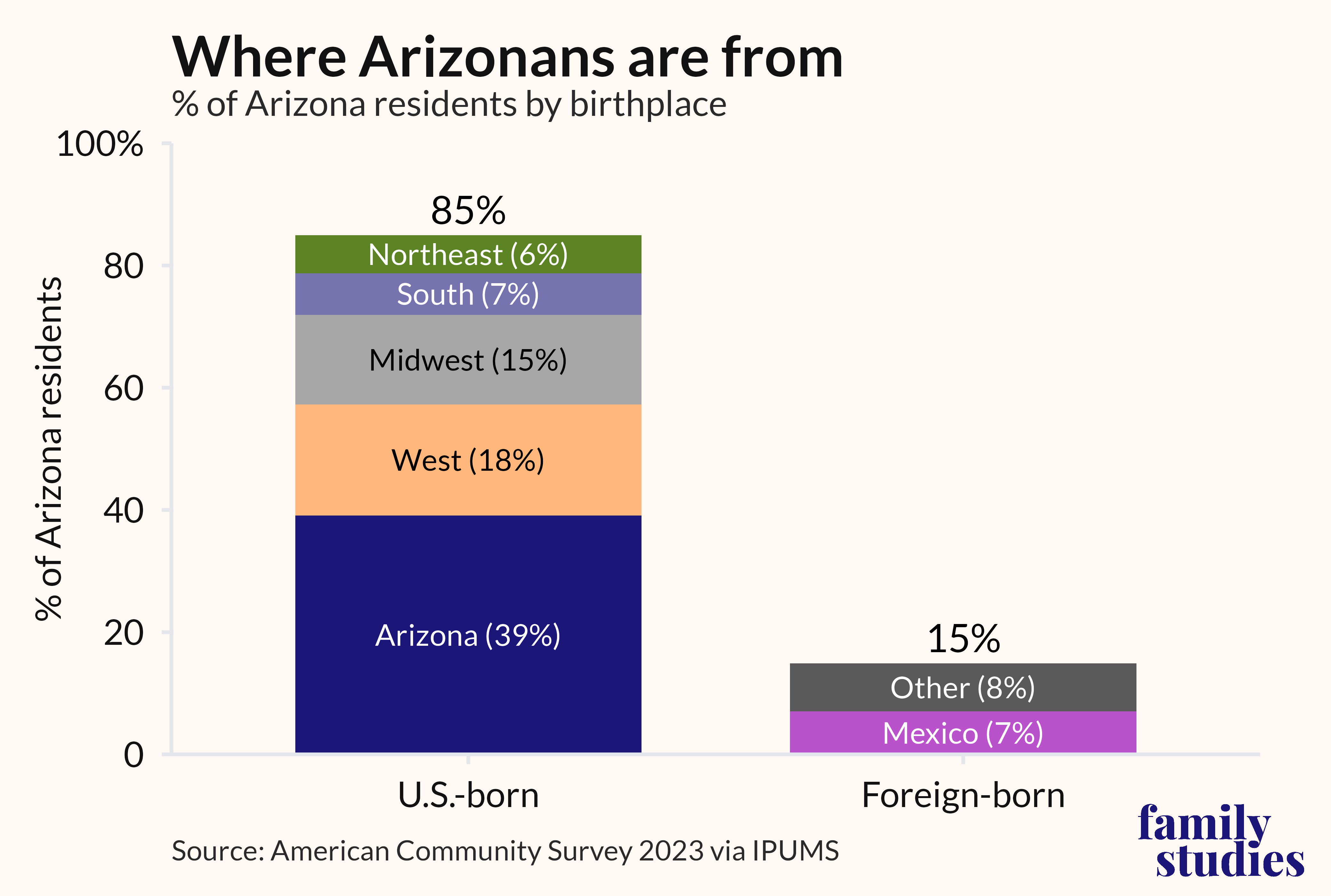
Figure 36. Percent of Arizona residents by birthplace.
Nativity and ethnicity are also related to family structure. Hispanic children in Arizona who have two U.S.-born parents are less likely to be in a married-intact family and more likely to be in single-father households, or to have no parents present, compared to those with one or more immigrant parents.
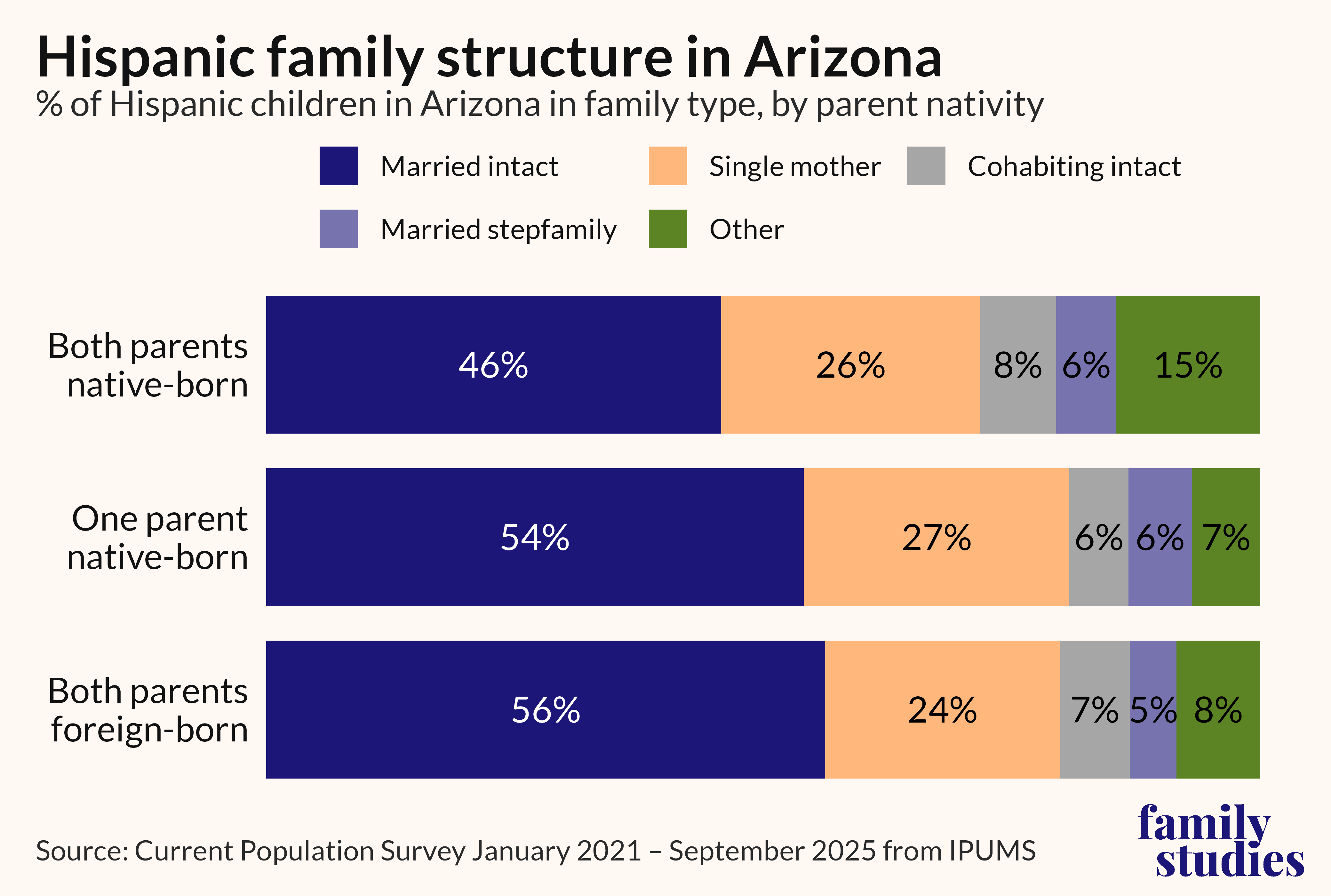
Figure 37. Percent of Hispanic children in AZ by family type and parent nativity.
Hispanic children with at least one foreign-born parent are more likely to be living in a married family than their peers with only U.S.-born parents. Something about being born and raised in the United States for Hispanic adults may be discouraging marriage as a foundation for their children’s lives.
Arizona Population Dynamics
As early as 2003, the Arizona fertility rate was well above the national average. Since then, the total fertility rate has plummeted and is about equal to the national level at 1.60.
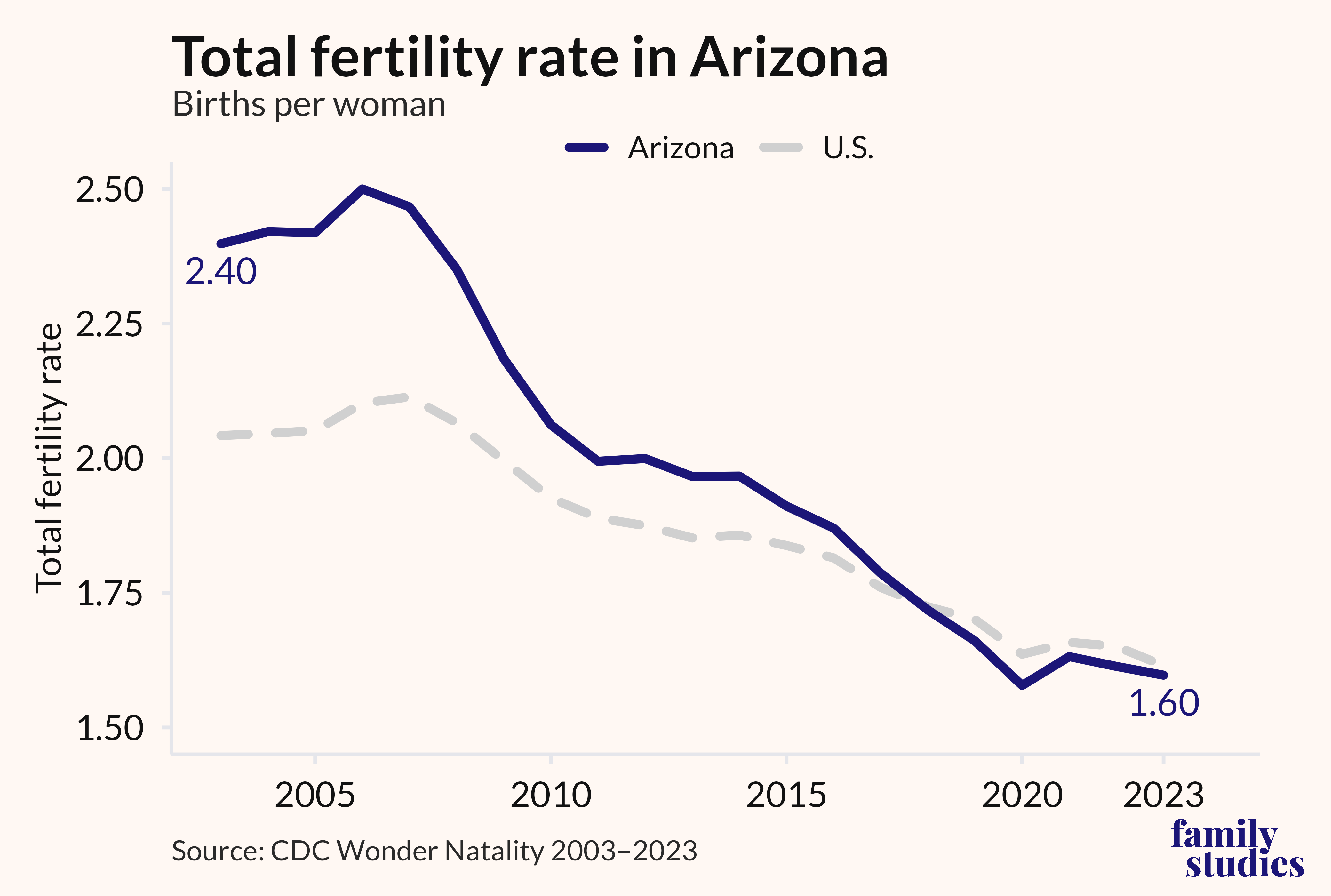
Figure 38. Births per woman in Arizona and U.S. by year.
Fertility is a critical indicator of future well-being for Arizona. A state that is failing to have tomorrow’s children is one that will soon have a disproportionately mushrooming elderly population without the next generation of doctors, nurses, caregivers, farmers, business owners, inventors, innovators, teachers, and police officers—not to mention taxpayers and social security benefactors—that Arizona will need.
Babies grow into the adults that make society work better in the future. States with a fertility rate as low as Arizona’s will have to rely heavily on outside immigration. The bad news is that nearly all developed countries (including Mexico), as well as surrounding states, are also now experiencing fertility rates well below replacement. They will be fighting to keep their own young adults from emigrating.
Sadly, peak fertility in Arizona was reached in 1990, after which the fertility rate dipped until a brief rise in 2007 to near 1990 levels. After 2007, it dropped significantly, resembling the slope of a daring playground slide. There will likely not be as many children born in Arizona as were born in 1990 for any time in the foreseeable future.
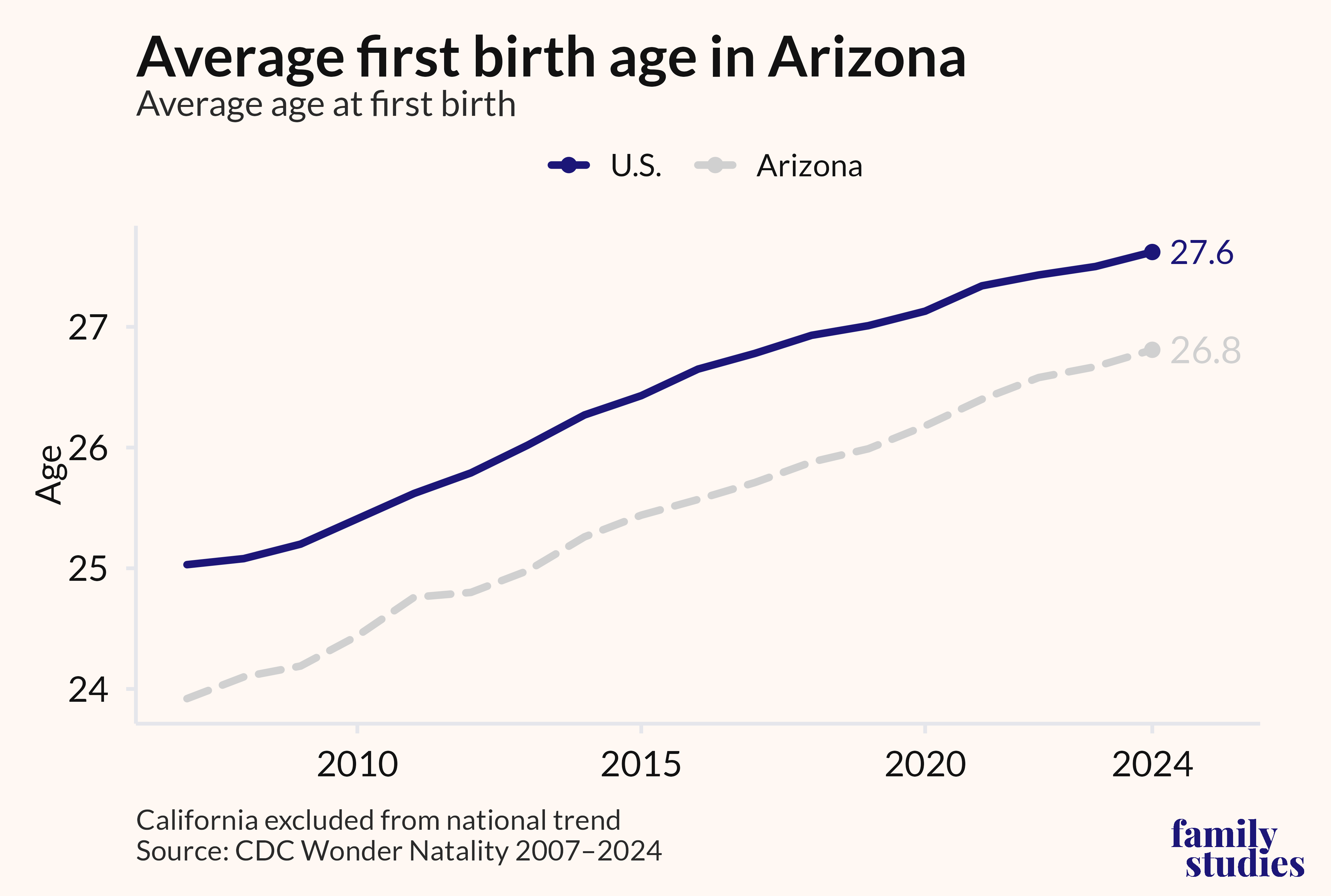
Figure 39. Average age at first birth for women in AZ and U.S. by year.
As with national trends, one cause of the fertility increase is the rising age of first birth. In Arizona, women typically become mothers around age 27—a steady increase from historical levels and 2.5 years older than in 2007.
Drastically declining fertility is a very real and pressing problem for Arizona and its dream of a prosperous future. That’s because a thriving tomorrow requires plenty of babies being born today. That is clearly not happening.
Migration
Given these fertility trends, in this millennium, the majority of Arizona’s population growth will have to come from domestic and foreign migration. As shown below, foreign migration is powering population growth in Arizona right now, while domestic migration is falling. Census data indicate that the largest increases in international migration have come from Mexico and Latin American countries in recent years. But given today’s political climate and falling fertility in Latin America, it is unlikely that Arizona can rely on immigration to sustain its population indefinitely.
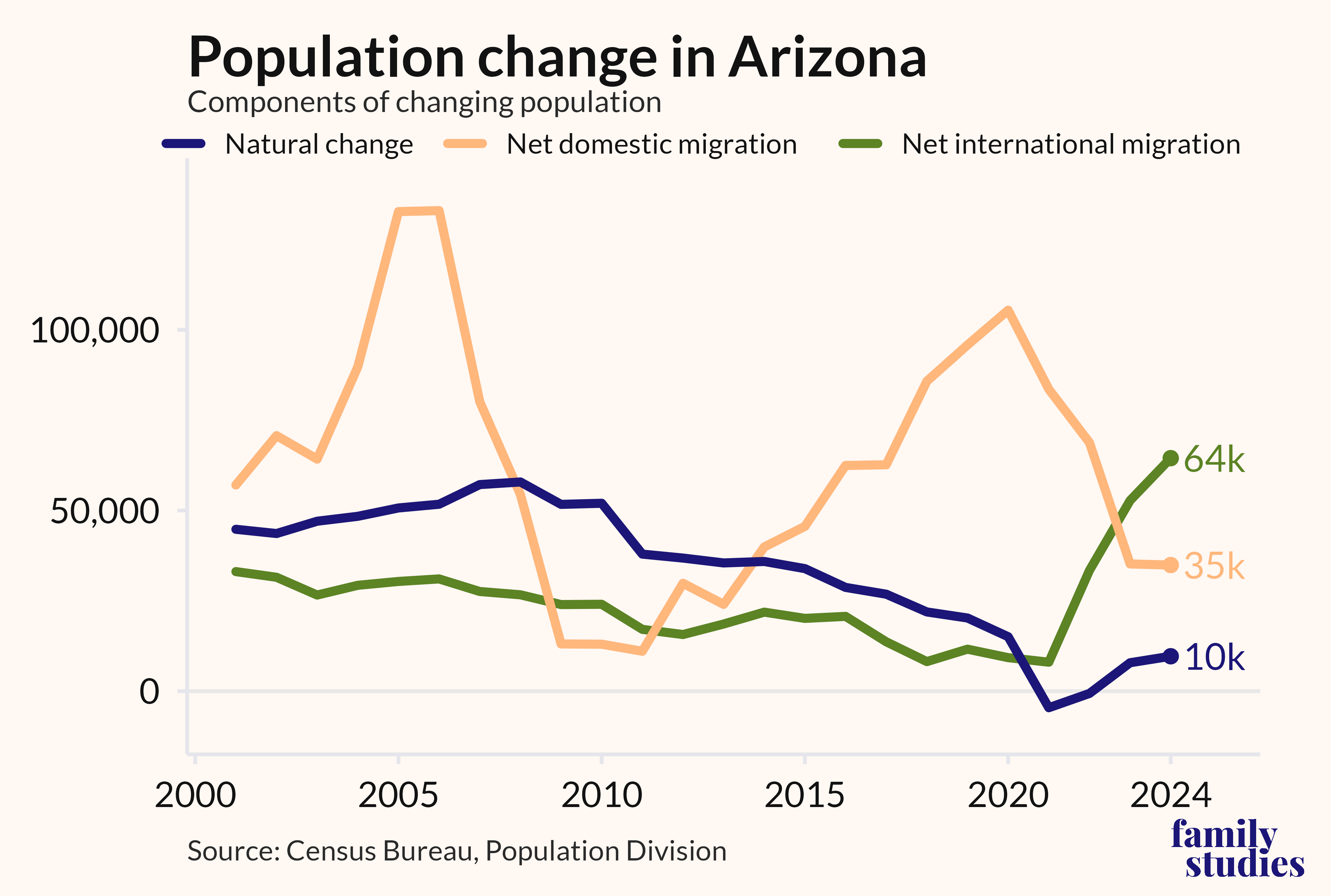
Figure 40. Components of changing polulation in Arizona (various) by year and income.
Section III: Policy Prescriptions
Arizona is a beautiful state with a profound outlook for the future. To fully realize its promise, Arizona must do the following to strengthen families:
- Increase the rate of marriage formation, as well as improve the health, stability, and longevity of its marital unions;
- Make marital childbearing and childrearing important personal and civic goals, while also making parenthood and homeownership more affordable for all working couples;
- Increase positive (e.g. involved family time, shared meals, books read, and games played together) and reduce negative (e.g., domestic violence, addiction, infidelity) aspects of family life;
- Increase the time that parents are able to spend with their children; and
- Educate the rising generation about the value of marriage and parenthood.
What steps can the state take to strengthen marriage and family life to advance these goals? The first step Arizona should take is to teach and promote what social scientists call the “Success Sequence.”
Success Sequence Education
The social sciences have discovered that some paths are more conducive to flourishing than others for today’s young men and women. One path, called the “Success Sequence”— advanced by Brookings Institution scholars Ron Haskins and Isabel Sawhill—is especially valuable for young adults.
The Success Sequence is a very basic and specific set of milestones in life associated with avoiding poverty and moving into the middle class or beyond. It is based on three basic life choices that can be accomplished by most people:
- Graduate from high school
- Get and maintain a full-time job in one’s twenties
- Marry before having any children
Young adults who complete these three steps are substantially more likely to realize the American Dream. In fact, they are nearly guaranteed to do so.
Social science research informs us that a stunning 97% of young men and women who follow this simple sequence succeed in avoiding poverty in their late twenties and thirties.
Specifically, over 90% of Black, Hispanic, and young adults from poor families will avoid poverty as they move into young adulthood, if they follow this sequence. Finally, 86% of Millennials who followed the Success Sequence reached at least the middle class as young adults.
This makes the Success Sequence something that every young Arizonan should learn many times over throughout their developing years. They should learn it from their parents, schools, pediatricians, communities of faith, coaches, and extended family. The power of education, work, and marriage to lift people out of poverty is not widely known. Children and young adults in the Grand Canyon State deserve to learn this recipe to success.
This is especially true because the benefits of the Success Sequence extend beyond financial gain. Recent research by Wendy Wang at the Institute for Family Studies and Samuel Wilkinson at Yale University finds that the sequence is also associated with the emotional well-being and family stability of young adults. Young men and women who have followed all three steps are significantly less likely to be emotionally distressed and are substantially happier than those who have not. Isn’t that what we want for all Arizonans, young and old?
Specifically, young adults who follow each of the three steps have 50% lower odds of being emotionally distressed than their peers who have not, even after factors like race, ethnicity, education, and income are considered. They also enjoy more stable family lives. For example, young women and men who followed all three steps were twice as likely to still be married in their thirties compared to their peers who had a child before or outside marriage, even after controlling for a range of sociodemographic factors.
Arizona’s young people deserve to know how education, work, and marriage are tied to greater financial security, emotional well-being, and family stability as they move into adulthood. The Success Sequence will give them a profound boost towards a happy and successful life, and each step in the sequence is relatively easy to follow. Arizona has the resources to do this.
A range of curricula and programs convey the time-tested wisdom of the Success Sequence for young adults. Groups like the A&M Partnership, The Dibble Institute, The Ridge Project, Encompass Connection Center, and the Center for Relationship Education provide valuable resources that incorporate the sequence into curricula and programs providing relationship education to children and teens.
For instance, outcome research on Love Notes from the Dibble Institute indicates that teens who participated in the program were 46% less likely to be become pregnant, significantly less likely to be sexually active, and more likely to avoid multiple sexual partners compared to similar teens who did not participate in the program.
What is more, opinion polling indicates that a clear majority of Americans—including a majority of Blacks, Hispanics, and Whites—support teaching the Success Sequence in public schools.
Accordingly, the Arizona Department of Education, along with local Arizona school districts, should incorporate the Success Sequence in various ways throughout schools across the Grand Canyon State.
First, the Success Sequence ought to be incorporated into family life instruction in middle and high school. It should also be added to financial literacy instruction, which often occurs in high school. Schools should specifically explain how:
- A high school education, full-time work, and marriage before having children substantially decrease young adults’ odds of being poor and maximize their likelihood of moving into the middle class or higher;
- Marriage is associated with less loneliness, more meaning, and greater happiness for men and women today;
- A stable marriage increases the odds that children flourish educationally and socially, minimizing the odds they have trouble in school and with the law; and,
- Sequencing marriage before parenthood increases the odds that young men and women forge stable families and enjoy greater financial stability.
To do this, the Arizona Department of Education should consider the following policy suggestions as they incorporate the Success Sequence into public schools across the state:
- Require high school students to complete, at least one course fully explaining the Success Sequence prior to high school graduation or receiving any general education degree. They should also demonstrate an understanding of the social science research on its links to poverty, economic success, happiness, and family stability;
- Create a state-level committee that includes members of school boards and parents of children attending Arizona’s K-12 schools to review the grade-level standards, expectations, and instructional content that covers the Success Sequence; and,
- The Arizona State Superintendent of Public Instruction should solicit evaluations that measure how well students are learning the three steps. The Superintendent should also sponsor evaluations of Success Sequence-related curricula to measure the influence on adolescent relationships, teen pregnancy, and marriage and family attitudes.
- Schools should have older young adults who have followed and benefited from the Success Sequence regularly visit and speak at events, and create social media resources featuring these adults to explain how following the sequence helped them attain a rewarding Arizona middle-class lifestyle.
- Finally, the state and/or nonprofits should fund a Success Sequence PSA campaign that targets adolescents and young adults. This campaign should focus on offering compelling messages about the benefits of the sequence on social media platforms viewed by young adults.
Young Arizonans deserve every opporunity to realize the American dream. The Success Sequence is one of the most powerful, fiscally-responsible, achievable, and well-calibrated tools to give them.
Strengthening Marriage in the Grand Canyon State
As we have shown, marriage is associated with essential and substantial benefits for men and women, children, and the entire state of Arizona. Unfortunately, in recent decades, dramatically fewer Arizonans are choosing or able to marry. The reasons for this retreat from marriage are complex, encompassing culture, policy, and economic factors.
In response to this retreat, the Arizona State Legislature should act to strengthen marriage in a variety of ways, including by educating the public about the value of marriage for child well-being and human thriving, reducing the barriers that cause Arizonans to delay or forego marriage, and partnering with community nonprofits that are doing relationship education for youth, as well as nonprofits that are counseling engaged and married couples. These efforts could be funded by allocating 10% of the state’s Temporary Assistance for Needy Families (TANF) budget to these activities, given that TANF is charged in part with promoting marriage and two-parent families.
Specifically, we recommend that the Arizona State Legislature:
1. Create a $20 million public education and media campaign focused on increasing the Arizona’s marriage rate and promoting strong and stable marriages.
This campaign should focus on young people, helping them to learn that marriage not only improves their lives, but the lives of any children they have, and the community at large. This campaign should particularly spotlight the emotional, financial, and social benefits of marriage for young adults, but also spell out the ways that strong and stable marriages benefit children and communities.
2. Address marriage penalties that discourage lower- and middle-income Arizona couples with children from marrying.
In a whitepaper on fixing broken incentives in Arizona’s welfare system, the Foundation for Research on Equal Opportunity observed, “Arizona’s existing social welfare system can actively discourage work” by dramatically cutting back on means-tested benefits when family income rises, “impeding an important element for getting out of poverty.” Their point also applies to marriage.
Consequently, the legislature should direct the state government to detail any marriage penalties associated with programs run by the state, including the Child Care and Development Block Grant (CCDBG), Medicaid, and TANF. Then, where the state has authority to adjust program eligibility, it should minimize marriage penalties by doubling thresholds for married couples with children under the age of 5 (compared to single parents with the same number of children). Where the state lacks authority to adjust program eligibility, it should seek a waiver from the federal government to allow Arizona to make changes to programs like Medicaid to minimize their marriage penalties for lower-income families in the state. Finally, the state should use TANF funds to grant $1,000 to any married families with children under 5 who can document a net marriage penalty (based on potential lost child care subsidies, food stamps, housing, and Medicaid), using a platform like the Tax Policy Center calculator at the Urban Institute and Brookings Institution.
3. Reform the state’s standard deduction to be more marriage friendly.
To be fair, the state avoids several common structural features that penalize marriage. The flat personal income tax ensures couples are not bumped into a higher bracket if they get married. The Dependent Tax Credit, modeled on the federal Child Tax Credit, sets the phaseout threshold at a very high level and avoids marriage penalties by doubling the threshold for married parents ($400,000) relative to single parents ($200,000).
But Arizona has one major provision that penalizes marriage for single parents. Like many other states, it uses the federal standard deduction to set its own standard deduction. The value of the standard deduction varies based on filing status. In 2026, the standard deduction is $16,100 for single filers and $32,200 for married filers. By doubling the standard deduction for married filers relative to single filers, Arizona avoids penalizing marriage for those without children. The problem is that Arizona also provides an additional filing status for single filers with dependents—Head of Household (HoH)—that provides a more generous standard deduction ($24,150 in 2026) relative to single filers without dependents. This creates a unique marriage penalty for single parents who are likely to see their taxes go up if they get married.
Simply eliminating HoH filing status and having parents file as either single or married would eliminate marriage penalties—but also make single parents worse off and do nothing for struggling married parents who have been facing rising costs for years. Instead, the legislature could pair HoH elimination with an increase in the Dependent Tax Credit from $100 to $305 for children under age 17, to ensure all families are made better off by focusing tax relief on hardworking parents raising the next generation of Arizonans.
4. Create new and boost existing programs that help couples create strong, thriving marriages, from the start.
This can be done by improving premarital education and promoting it to the public. First, the Arizona legislature should pass a law waiving all marriage license fees for couples who show proof-of-completion of an approved premarital education course. This can be implemented through a website that helps Arizona couples find and connect with religious and secular providers of premarital education in their local communities. Connecting individual couples with others in their communities who can serve as teachers, champions, and cheerleaders for their marital success is essential to building a pro-marriage culture that succeeds. Indeed, research shows that couples who receive premarital education are more likely to forge successful marriages.
Second, Arizona should publicize the value of premarital education for married couples and the marital license discount they receive by taking it. This can be part of a multifaceted public education and engagement campaign to promote marriage across Arizona. In boosting premarital counseling, Arizona should look to the experience of neighboring states like Utah, Oklahoma, and Texas.
These states have enacted policies to encourage and incentivize couples to engage in premarital education. Each have met with varying degrees of success. A study examining the effectiveness of these state programs found that oversight and implementation were the key factors influencing their success. For instance, one study found that Texas’s early efforts at providing formalized premarital education programs, which began in 2007, were successful and correlated with a 1.5% decrease in the divorce rate statewide. The authors of the study noted that while the decrease in divorce rate may seem small, the measure focused on all marriages, including those that began before the state implemented its premarital education policies. Based on this, the authors conclude that the actual divorce-rate reduction effect attributable to the Texas program is likely higher. Arizona has the benefit of being able to learn from both the successes and failures of states that have done important marriage innovation before them.
Spreading the Word. One lesson from this research is that Arizona should launch a public campaign to promote the benefits of premarital counseling and the locations where it can be accessed. Utah launched such a campaign in 2008 and focused on “18- to 29-year-olds with a strong (but not exclusive) emphasis on promoting increased use of premarital education services.” Based on data from market research, the firm contracted to run the campaign developed ads for television, radio, print, and internet sites targeted at the key demographic. A study of the campaign’s effectiveness published in the Journal of Couple & Relationship Therapy discovered that over the course of five years, the effort:
- Increased awareness of the program from a baseline of 17% at its inception to 38% at its apex. Young couples became two to three time more likely to be aware of the program and the services it provided through this media campaign.
- The percentage of persons who participated in premarital education increased from 32% to 39% over a five-year period.
Clearly, a well-designed and implemented public education ad campaign can have a measurable effect on the public, influencing citizens to take a desired action. Arizona should launch an effort to do just this when it comes to premarital education.
Arizona has been a world leader in business innovation and development. It can grow beautiful, world-class golf courses in the desert, after all. It can certainly take the lead in promoting marriage and family.
The Grand Canyon State can help its young people rise above poverty and soar into middle class life with creative thinking and a strong drive to not only raise awareness about the value of marriage among diverse populations but, like Utah, also direct the public to accessible, research-backed premarital education resources that propel them to sustained success.
Bridging Arizona’s Gender Gap
One of the reasons marriage and family life are in retreat across America today is the decline in the fortunes of young men. As the Brookings Institution’s Richard Reeves documented in Of Boys and Men, too many men are floundering in school, work, and life. Subpar academic performance, lower rates of college enrollment, and rising rates of idleness and underemployment among young men matter not only for them but also because they make them less “marriageable” in the eyes of young women. Today’s growing gender gap—where young women are doing comparatively better at school, work, and life, while young men are doing worse—is a recipe for disaster when it comes to family formation and human happiness.
This gender gap is also playing out in Arizona. For instance, 67% of the lowest GPAs for school children in the state are among boys, versus 33% among girls, and 60% of full-time college students are female, whereas only 40% are male. To bridge this gap, and lift the fortunes of adolescent and young adult men, the state legislature, Arizona Department of Education, and schools should take three steps:
- Make schools more boy friendly. Schools should hire more male teachers, extend recess time for children in elementary school, and revisit their pedagogy and curricula with an eye to creating an educational context where boys are about as likely as girls to do well. The state should also introduce single-sex charter schools. All of these measures would give boys in K-12 schools a chance to see their performance and attachment to education rise.
- The Arizona legislature should also double the funding for Career and Technical Education (CTE) and apprenticeship training. Right now, the state devotes markedly more money to conventional 4-year colleges and universities than it does to CTE for high school-aged and young adults. But the evidence suggests that high-quality CTE can boost the employability, wages, and marriageability of young men. Moreover, most Arizona young adults, especially young men, will not earn a 4-year degree. Accordingly, the Arizona Department of Education should double the funding it spends on CTE and apprenticeship training and, if necessary, take that money out of the budget it devotes to conventional higher education in the state.
- Finally, the legislature should target the gaming industry, given the role that gaming plays in degrading the social and human capital of teenage boys and young men. Arizona should tack a 20% sin tax on gaming platforms, gaming software, gaming apps, and in-game purchases. This money could then be spent on a public campaign to educate teenage boys and young men about the costs of excessive gaming and to motivate them to turn their time and attention to real-world activities. Hopefully, the added costs of gaming and this public campaign would discourage adolescents and young men from wasting excessive amounts of time on gaming.
Young women across the ideological spectrum have expressed frustration with how few of their male peers measure up to their expectations regarding education, employment, and maturity. Taking steps like these would help Arizona boys and men flourish, which would be good for them, the women in their lives, and the fortunes of dating, marriage, and family formation in the state.
Family Friendly Technology in Arizona
The last decade-and-a-half has witnessed the rise of “electronic opiates”—social media, video shorts, gaming, and now, AI companions—that are degrading our children’s capacity to concentrate, read, and learn, inhibiting the development of their social skills, and polarizing them ideologically by sex. These developments have had profoundly negative consequences for the quantity and quality of parent-child relations, dating, and marriage.
Arizona has already passed important laws to protect children from the negative effects of Big Tech, including requiring age verification of pornography sites, as well as a law to ban smartphones during school time. These are critical steps to keep children safe in the digital age and to recover a freer, more beautiful childhood. Arizona can build on these gains in four ways.
- Require age verification for users of human-like AI and restrict access to adults. AI systems are intrinsically unsafe, with "alignment," the technical challenge of ensuring that AI systems pursue pro-social ends, being currently unsolved. It may never be solved. But whatever the case, we have already seen that AI chatbots, especially those that are marketed as AI "companions," have willingly fed into the delusions of the mentally unstable and have preyed upon the depressed, even going so far as convincing young Americans to commit suicide. In fact, Google and Character.AI recently settled a major lawsuit brought by the parents of Sewell Setzer III, who, at age 14, killed himself to be with a Character.AI companion forever, after it had tricked him into becoming romantically enmeshed with it. IFS has endorsed the Young People's Alliance Human-like AI Framework for regulating AI that is designed to evince human-like features. This would protect Arizona's kids from predatory AI chatbots.
- Pass the App Store Accountability Act (ASAA). In 2023, IFS co-produced the first paper ever to argue for the value of requiring age verification through the app store. Many of the fundamental problems that children face online come through apps—not on the free internet—most of which are accessed through the app store. Furthermore, because data is the most precious commodity available online, the app store is structured to convince children to give away their data with the downloading of every app, which they agree to do when they perfunctorily agree to the terms of service. That is, app stores are systematically facilitating the formation of contracts between underage Americans and Big Tech companies, often at the price of their extremely sensitive personal data. ASAA disrupts this system by requiring formal age verification and informed parental consent for every app download and in-app purchase. This addresses the root causes of childhood addiction to apps.
- Arizona should build on its policy to remove smartphones from schools by also advancing policies to minimize screen time in the classroom. Arizona is one of 21 states (and counting) that have passed laws to remove smartphones from schools. This is common sense legislation that will pay enormous dividends for kids, families, and schools. But a growing body of research is showing that educating children by screen, through school-issued Chromebooks, is driving steep declines in reading and math scores. It also is the open door to pornographic material for many kids, who, as research by Common Sense shows, are accessing porn on school-issued devices. Recently, Utah passed legislation to become the first state in the country to limit access to classroom technology to prescribed times and tasks. This cutting-edge policy is likely to foster a far richer (and safer) educational environment in Utah, and Arizona should do the same.
- Bonus: Follow Australia's lead and ban adolescents under 16 from accessing social media in Arizona. This is a narrower policy than the App Store Accountability Act, which covers apps in general, not just social media apps, but it would save many kids in Arizona from succumbing to anxiety, depression, and worse.
The Faith Factor: Religious Participation and Family Stability
Strong, stable families do not form in a vacuum. They are sustained by institutions and communities that provide support, guidance, and a normative framework for navigating the challenges of marriage and parenthood. Among these institutions, religious communities play an outsized role.
A substantial body of research demonstrates that regular religious participation—particularly weekly church attendance—significantly strengthens marriage, family stability, and child outcomes across all the metrics examined in this report. Adults who attend religious services regularly are more likely to marry, less likely to divorce, and less likely to have children outside marriage. Their children, in turn, show better educational outcomes, lower rates of depression and adverse childhood experiences, and reduced poverty rates. Weekly church attenders have divorce rates 25-50% lower than those who rarely or never attend religious services, and women who attend religious services weekly are 60-75% less likely to have a nonmarital birth compared to women who never attend. For children, the benefits are equally pronounced: those whose families attend religious services regularly are more likely to excel academically, with higher GPAs and test scores, and adolescents who attend religious services regularly report 30-40% lower rates of depression and anxiety compared to non-attending peers. Analysis of Arizona's Behavioral Risk Factor Surveillance System data shows that adults who reported weekly religious attendance during childhood experienced nearly one full ACE fewer on the 10-point scale—representing approximately a 40% reduction in adverse childhood experiences compared to those who never attended religious services as children.
The mechanisms through which religious participation strengthens families are multifaceted. Religious communities provide clear teaching that prioritizes marriage, discourages divorce except in extreme circumstances, and emphasizes parental responsibility. They create dense social networks of families with similar values, providing practical support—child care, meals, financial assistance—along with accountability, mentoring, and modeling of healthy relationships. Many congregations offer evidence-based premarital counseling, marriage enrichment, and parenting classes that strengthen relationship quality and family functioning. Religious teaching emphasizes forgiveness, humility, and reconciliation—skills essential to navigating marital conflict and preventing divorce. For struggling families, churches often provide material resources through benevolence funds, job networks, and housing assistance that reduce economic stress, a major threat to family stability. Arizona counties with higher rates of religious congregation membership show 6-9 percentage points lower child poverty rates, after controlling for education, race, and family structure, suggesting religious communities provide economic support beyond what family structure alone predicts. In short, religious participation operates as a form of social capital that partially compensates for economic disadvantage and reinforces the family commitments essential to child flourishing.
Yet Arizona's religious landscape presents both opportunities and challenges for family strengthening. According to the Pew Research Center, 58% of Arizona adults identify as Christian, while 31% are religiously unaffiliated and rarely or never attend religious services. Approximately 27% of Arizona adults attend religious services weekly, slightly below the 31% national average. More concerning, religious participation is declining among younger Arizonans: only 22% of Arizona adults under 30 attend religious services weekly, compared to 35% of those over 50. This generational decline threatens future family stability, as the protective effects of religious participation cannot operate if young adults are disconnected from faith communities. At the same time, Arizona's approximately 4,000-5,000 religious congregations represent a vast, largely untapped infrastructure for family support—with thousands of locations across every community, built-in trust relationships with families, volunteer networks for mentoring and counseling, and economic resources for material assistance.
Any serious effort to strengthen Arizona families must engage, equip, and empower these faith communities—not through government funding of sectarian activities but through partnership, recognition of their irreplaceable role, protection of their religious liberty, and celebration of their positive impact on family outcomes. The data is clear: religious participation is one of the most powerful predictors and protectors of family stability in Arizona. Reversing the decline in religious engagement, particularly among young adults, should be a priority for policymakers, community leaders, and all Arizonans committed to building strong families and realizing the Arizona Dream.
Conclusion
Arizona stands at a crossroads. The research presented in this report demonstrates unequivocally that strong, stable families—particularly those anchored by marriage—are powerful engines for realizing the Arizona Dream. From the classrooms of Higley to the neighborhoods of every county across the state, we see that children raised in intact, married families perform better in school, experience less poverty, suffer fewer mental health challenges, and are dramatically better protected from adverse childhood experiences. Adults in strong marriages enjoy greater financial security, higher homeownership rates, and less government dependency. Communities with more married families generally see less crime and poverty.
The marriage premium is real, substantial, and essential for Arizona's future prosperity. Yet marriage rates have declined, nonmarital childbearing remains stubbornly high, and too many Arizona children are growing up without the stability that married parents provide. In fact, even though the family story is improving for children in the state, kids across Arizona are still less likely to enjoy the shelter and security of a stable married family compared to kids across the United States. The question before us is simple: Will Arizona leaders act decisively to increase the odds that men, women, and especially children across the state enjoy strong and stable families, or will the Arizona Dream slip away for future generations?
The path forward requires courage, creativity, and commitment from every sector of Arizona society. State government must lead by implementing the Success Sequence in schools, removing marriage penalties from welfare programs, reforming tax policy to support families, investing in premarital education, and protecting children from predatory technology. But government cannot do this alone. Schools must educate young Arizonans about the proven pathways to success. Businesses should support working families through family-friendly policies. Faith communities should do more to champion marriage and provide couples with the tools to build lasting unions. Media should tell stories that celebrate marriage and the virtues that make for thriving families. And individuals must bravely follow the harder but more rewarding path of the Success Sequence—getting an education, working full-time, and embracing marriage before parenthood—as they move into adulthood.
Arizona has always been a frontier state—a place where pioneers came to build something better. Today's frontier is not geographic but cultural and social. By strengthening marriage and family life, Arizona can once again become a beacon of the American Dream, proving that "Ditat Deus"—God Enriches—remains more than a motto but a living reality for all who call the Grand Canyon State home.