Introduction and Executive Summary
In March 2026, the Institute for Family Studies released America’s Demoralized Men, Part I: Worthy Aspirations, Trying Circumstances, the first installment of a two-part report, based on a YouGov survey of a nationally representative sample of 2,000 young men, ages 18-29. Our aim, within the limits of the survey, was to allow young men to express themselves on a range of personal issues, for which there has been considerable and often harsh public commentary.
In Part I, we began our exploration by considering what young men say about becoming an adult—both in terms of what it means to them and whether they feel they have reached that life stage. We found that while they see adulthood as a matter of personal responsibility, self-direction, and financial independence, accessing their own adult status is connected to the older metrics, like marriage, parenthood, and finishing school. By these criteria, many do not feel they have reached full adulthood. However, when we asked about work, manhood, marriage, and parenthood, the great majority express a strong desire to be responsible men, to make a living sufficient to support themselves and others, to date, to marry, and to become fathers.
Reaching these worthy goals, however, is another matter. Young men identified a number of specific obstacles, from inadequate incomes to limits on educational opportunity, to personal struggles to finding a suitable romantic partner. They are not where they want to be in life, and the mismatch between their aspirations and where they stand is a source of frustration and stress.
In this second installment, we continue our analysis by first taking a close look at the social lives of young men, including questions about social integration and support, friendship and participation in organized groups, and family relations, especially with parents. Next, we consider feelings of alienation and frustration, perspectives on the American Dream and how their future will take shape, and reports of mental health problems and potentially traumatic experiences. Lastly, we survey online activities, such as pornography, gaming, and gambling, and some of the trouble correlated with these.
“Demoralized” is the term we use to characterize a state of mind reflected in agreement with such self-appraisals as “I am inclined to think that I am a failure” (43%), and such expressions of powerlessness as “I often feel that I have little control over the things that happen to me” (61%), and of being found insufficient, such as “I never seem to do enough to please people” (54%). We also report here on the dispiriting experience of feeling lonely (25%), isolated (26%) or lacking community (48%) much of the time. As we noted in Part I, some young men “are not in crisis but thriving.” But some are struggling mightily, as we can see in the major findings reported here.
Major Findings
For Part II, here are some of the most important things we have learned.
- Slightly less than half of young men feel a steady emotional connection to others. Close to half of the young men say they never or not too often feel lonely (45%), isolated (47%), or unloved or unwanted (48%). The other half, however, report feeling lonely (55%) or isolated (54%) at least some of the time; and when the young men were asked if they feel loved or wanted by others, 1 in 3 (32%) say only some of the time, and 1 in 5 (20%) say seldom or never.
- For many young men friendships are in short supply. In fact, 4 out of 10 young men have two or fewer close friends, which includes 1 in 3 (34%) with one to two close friends and almost 1 in 10 (9%) who report zero close friends. The best predictor of having three or more friends is connection to institutions like marriage, church, and school. Young men who participated in all-male groups, such as sports teams or the Boy Scouts, during the school years are also more likely to report three or more friends (64%) than those who did not (48%).
- Social, civic, and religious participation is low. While 57% participate in at least one community activity, a mere 31% report working as a volunteer, and even fewer are members of a faith-based group (29%), social club (27%), adult sports league (24%), or other type of civic organization. In terms of overall participation, being involved with at least one activity is most strongly associated with being religious (81%), being a student (73%), being married with kids (72%), and having finished trade school (74%). Overall, 25% attend religious services at least monthly; 28% say they have become more religious in recent years.
- The American dream feels out of reach for many young men. About half of young men agree with the statement, “No matter how hard I work, people like me will never achieve the American Dream.” Similarly, 72% agree that “Who you know is more important than ability or hard work in getting ahead.” For a significant share of young men, the meritocratic story is a myth. Still, they are not giving up on themselves: a remarkable 84% say that having ambitious plans for the future describes them at least somewhat well.
- A notable share of young men report having faced traumatic events in their lives. For example, 12% have ever been incarcerated, while 44% have a loved one who has gone to prison (28%), died of a drug overdose (18%), died by suicide (16%), or died by homicide (14%). The men with such experiences have higher rates of mental health struggles than those who do not, including with depression (49% vs. 27%), an anxiety disorder (44% vs. 25%), ADHD (36% vs. 19%), bipolar disorder (26% vs. 8%), and a learning disability (21% vs. 11%).
- Electronic media use is very high. Gambling is rampant: 23% of young men gamble daily, an additional 12% do so several times a week, and another 21% gamble weekly or less. Gaming is also very common, with 44% playing video games many times a day or more, and another 42% doing so at least a few times a week. Pornography use is also extremely widespread: 42% watch porn daily (27%) or several times a week (16%), with another 26% viewing it weekly or less. Those who watch porn daily include married men (21%) and regular religious service attenders (24%).
- Online gambling and pornography have significant emotional repercussions. Around 2 in 3 regular online gamblers say it has caused them at least some distress. Of those who watch pornography many times a day or more, 43% experience loneliness, 36% feel depressed, and 29% are anxious. Feeling like a failure is also closely tied to these activities. For example, 66% of daily gamblers and 63% of daily pornography watchers, compared to 42% of men as a whole, report feeling like a failure.
About This Report
In Part I, we presented three of five chapters (available here):
Chapter 1: Coming of Age
Chapter 2: What Young Men Want: Work and Education
Chapter 3: What Young Men Want: Marriage and Manhood
In Part II, we present the final two chapters as well as an interpretive conclusion, respectively titled:
Chapter 4: Social Connection
Chapter 5: Alienation and Distress
Conclusion: What Did We Learn
After the release of Part I, we were grateful to receive many notes from readers who appreciated the report’s approach and tone. We strove to allow men to speak for themselves and their aspirations, and what came through was challenging but nonetheless hopeful. Men have worthy aspirations, and that was a cause for optimism. At the same time, they were struggling to achieve them, and that was a reason for concern and even sadness.
In this second installment, we present our findings in this same spirit. We tell a sobering tale—not applicable to every young man, to be sure, but to a significant number. In the discussion that follows, we again try to provide some context for the predicament that many young men find themselves caught in today, and we conclude with some reflections on what we have learned.
Data and Methods. The Institute for Family Studies Gen-Z survey on men was conducted by YouGov between April 7 and 15, 2025, with a representative sample of 2,000 men, ages 18 to 29, living in the United States.
The respondents were matched to a sampling frame based on gender, age, race, and education. The sampling frame is an 18–29-year-old subset of a politically representative “modeled frame” of US adults, based upon the American Community Survey (ACS) public use microdata file, public voter file records, the 2020 Current Population Survey (CPS) Voting and Registration supplements, the 2020 National Election Pool (NEP) exit poll, and the 2020 CES surveys, including demographics and 2020 presidential vote.
The matched cases were weighted using propensity scores derived from age, gender, race/ethnicity, education, and region, grouped into deciles and post-stratified. The characteristics of the final weighted sample mirror those of the general U.S. population of men ages 18 to 29. Lesbian, gay, bisexual and transgender (LGBT) adults are included but are not analyzed separately. All estimates have been weighed to reflect the actual population.
Chapter 4: Social Connection
In recent years, a “male loneliness epidemic” and a male “friendship recession” have been reported and widely discussed. Both crises are apparently about the same problem, as both are premised on the same survey results. A May 2021 American Perspectives Survey, conducted by the Survey Center on American Life, provided some grim statistics on the decline of friendships among men. They found that (1) the percentage with at least six close friends fell by half since 1990, from 55% to 27%; and (2) the percentage without any close friends jumped from 3% to 15%. They also noted that “young men are faring worse than most. These two key findings were picked up and repeated everywhere, even inspiring an SNL sketch and Friendship, a Tim Robinson film.
A 2024 survey by the same center found that the two key measures had grown worse, down to 26% with six or more friends and up to 17%, without any close friends. This finding was also picked up and passed along in the press. However, as noted by the report co-author, Sam Pressler, this decline in friendship among men was not that different from similar trends across American life:
17 percent of all Americans had no close friends—two percentage points higher than the friendship stat that has been used as the basis for the ‘male loneliness crisis.’ In fact, men and women look practically the same in this dataset, with 17 percent of men and 16 percent of women reporting that they ‘do not have a close friend.’
In other words, young men, as a group, are not necessarily the social outlier that they are made out to be. While our survey does not allow comparisons to women or other age groups, we should not automatically assume that young men’s experience is unique. There are also, as we stressed in Part I, significant differences between distinct subgroups of young men. Throughout the report, we pay close attention to their specific circumstances.
A related point that we will see in this chapter and the next is that while we talk in comparative terms—e.g., which groups of men are more likely than others to feel isolated—we must not lose sight of the absolute percentages. For example, in our survey, a much higher percentage of married men (67%) than unmarried men (41%) report never, or not too often, feeling lonely in the past month. But if we just focus on the married men alone, apart from any comparisons, we find that 14% say they have felt lonely all or most of the time. That represents 1 in 7 young married men, which is a substantial and disconcerting number.
Further, in the wider discourse, feelings of belonging and friendships, along with social support and participation in associations, are often treated as though they are interchangeable. They are certainly related, but they are not identical. For example, tools to measure loneliness, such as the UCLA Loneliness Scale, generally include aspects like feeling alone, left out, and isolated from others. These measures show that loneliness is a complex experience and not reduceable to a mere lack of social contact. The subjective experience of social isolation, such as feelings of loneliness or lack of community, is distinct from what we might call more objective measures of social integration, such as the number of friends or group memberships. We asked young men about each separately and will address them one at a time in this chapter.
Feeling Connected
To access respondents’ feelings of connection, we asked three direct questions: during the last 30 days, how often have you felt 1) “lonely” or 2) “isolated” or 3) “loved or wanted by others.” The answer categories ranged from “never/not too often” at one end of the spectrum, to “most/all of the time” at the other, with “some of the time” as a middle response. With minor variations, the responses to the questions overlapped.
First, the good news. Over the prior month, about half of all young men report being never or not too often lonely (45%) or isolated (47%) and all or most of the time feeling loved or wanted (48%). Full-time employees and self-employed respondents are more likely to report little or no loneliness in the past 30 days (51%) compared to part-time workers (38%), students or caregivers (40%), and those who don’t work at all (40%). In addition, respondents in the 24-29 age range are more likely (50%) to report low levels of loneliness than younger respondents (39%).
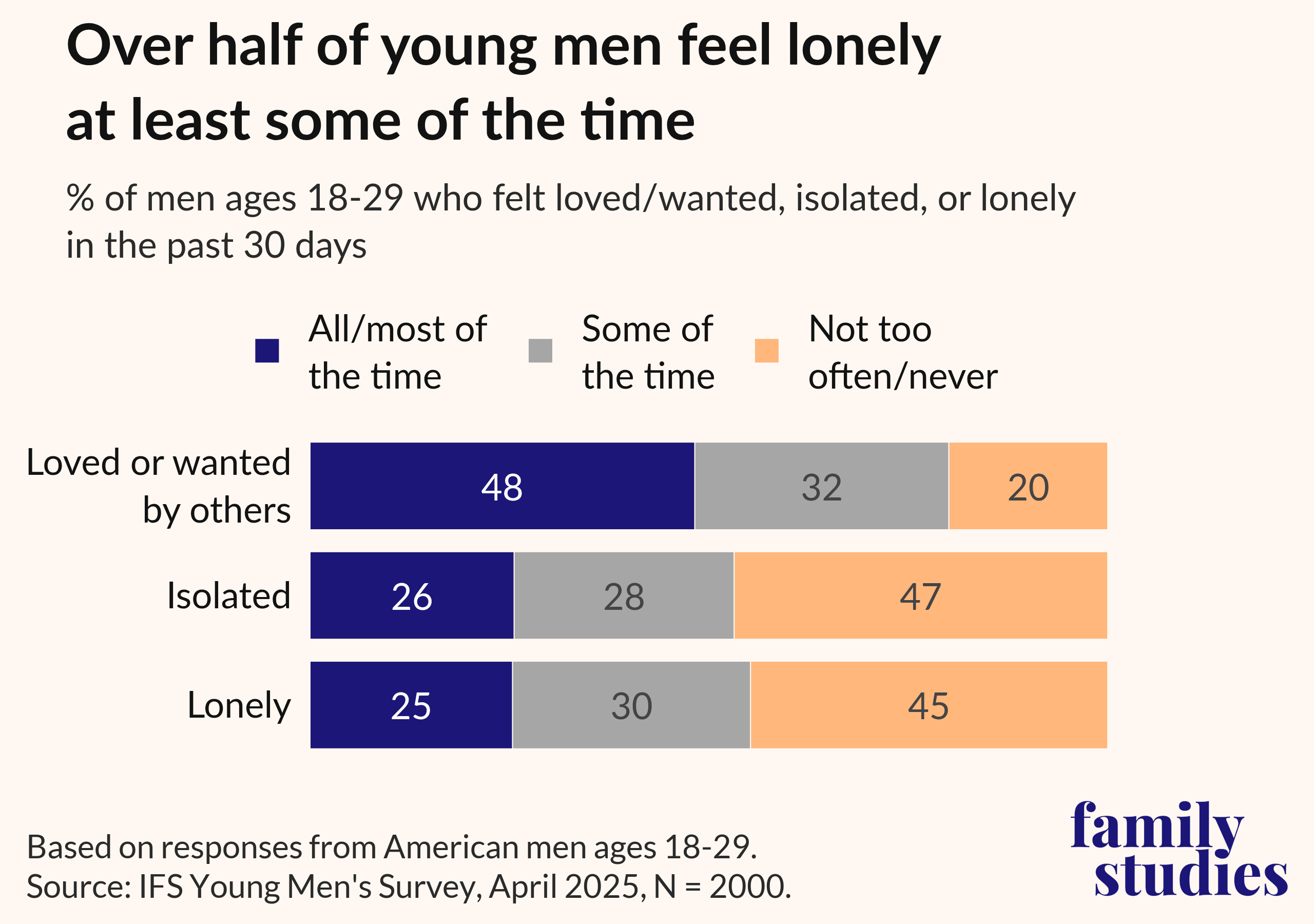
Figure 1. Percentage of men who say they felt loved/wanted, isolated, or lonely within the past 30 days
For many, the college years can be a lonely and isolating time. Among our respondents, those in school (including 2- and 4-year colleges, trade schools, and apprenticeship programs) are much more likely to report feeling lonely all or most of the time (28%) than non-students with a bachelor’s degree (16%). However, getting the degree appears to open doors to increased social participation, as men with a trade school or associate’s degree continue to feel lonely—most or all of the time—after graduating at the same rate (26%) as they did while in school or training. On the loved/wanted by others question, this difference is much smaller: 54% of four-year-college grads report feeling loved or wanted by others all or most of the time, but 50% of those currently in school do as well. College students have the affection and support of their parents; the challenge for them is fitting in and being accepted by peers, navigating a competitive environment, and choosing a course of study (or two, as many now double-major) in an unpredictable world. In a large spring 2025 survey of college students, 46% of undergraduate men scored positive for loneliness on the UCLA scale.
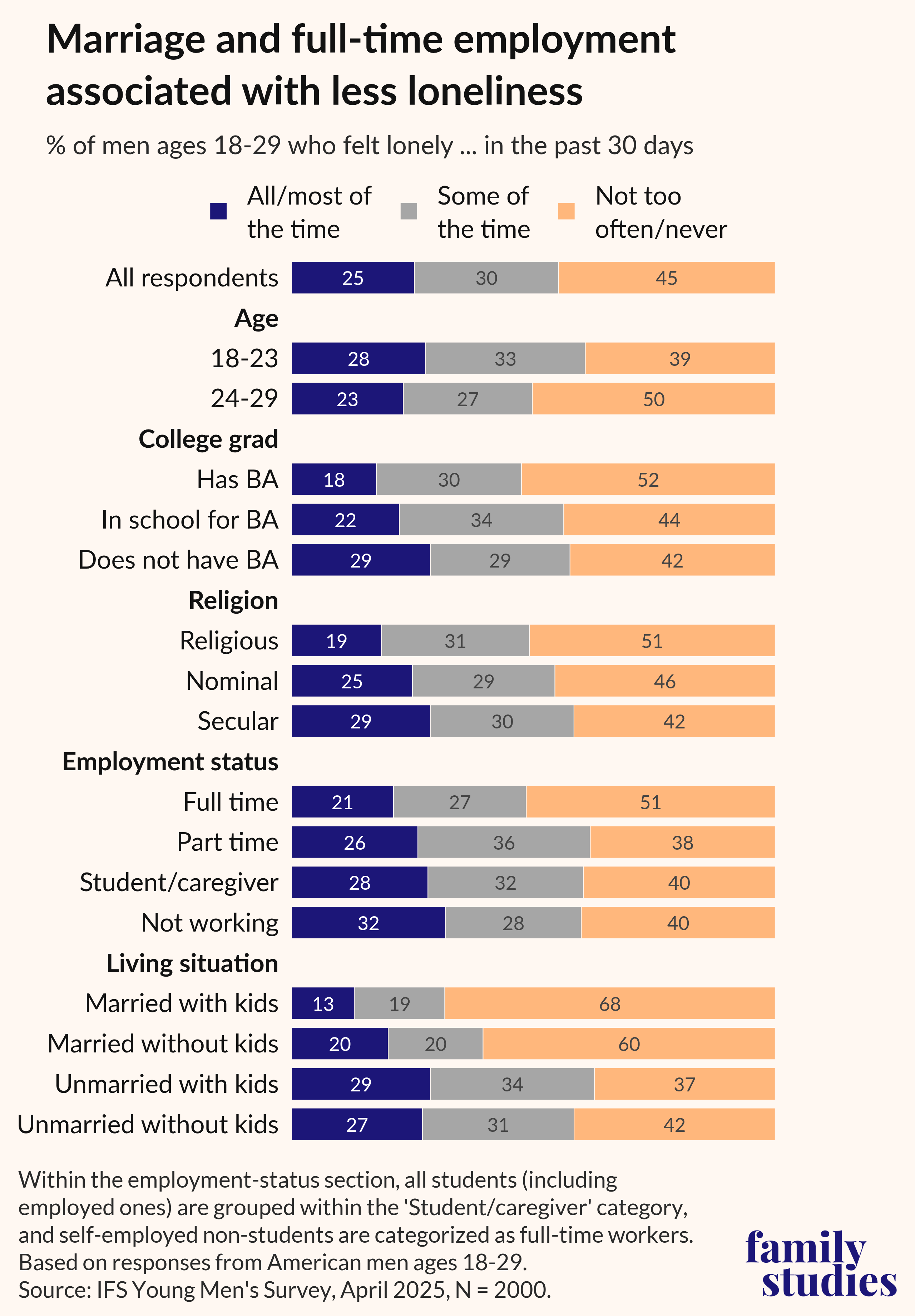 Figure 2. Percentage of men who say they felt lonely in the past 30 days, by various characteristics
If the good news is that half of the surveyed young men do not feel lonely, the bad news is that a substantial portion of our respondents report feeling lonely (25%) or isolated (26%) all or most of the time in the past 30 days. In addition, 20% say that that they seldom or never feel loved or wanted by others during this same time period. If we include the 30% of young men who feel lonely some of the time, the 28% who sometimes feel isolated, and the 32% who only occasionally feel loved or wanted, it becomes clear we are dealing with widespread hardship.
“Epidemic,” however, is not the right word because this dire situation did not arise suddenly. According to a meta-analysis of hundreds of studies using the UCLA Loneliness Scale with young adults (men and women) ages 18-29, conducted since the mid-1970s, the sheer number of lonely people has been growing in a linear fashion for half a century. It has now swollen to a shamefully high figure.
The extent of loneliness, isolation, and feeling unloved or unwanted, the pattern among respondents, and the long-term trends reflect the process we noted in Part I in our discussion of the transition to adulthood. The loss of institutionalized pathways and defined roles, and the simultaneous shift of responsibility to individuals to create their own career and life trajectories have introduced a great deal of precariousness into the lives of young men and left them bereft of guidance and structure. Those furthest from institutions that provide direction, and cultivate and demand stable habits and commitments are those who feel most lonely, isolated, and unwanted. While that is part of the story, it is not the whole. As the previous figure shows, many married, religious, and full-time-employed men still feel lonely at least some of the time. The thinning of social life and the demands of autonomy are affecting everyone.
Friendship
Friendship is a crucial form of social connection. We asked respondents how many close friends they had, and offered number categories like 0, 1-2, 3-5, and so on. We offered no definition of “close friend.” The answers are based on their own interpretation and assessment of how many of the people who they know qualify. We did not ask how they know their friends, so we might imagine they include spouses and partners, high school and college buddies, work associates, roommates, and so on. Online relationships may also be important: when we asked respondents who play video games at least several times a week about their reasons for gaming, 42% checked the box for “an opportunity to interact with others or make friends.” Although parents often express a desire to be “best friends” with their children when grown (72% of parents in a 2012 survey), we suspect not many young men counted their parents. However, they may well have counted siblings or other relatives.
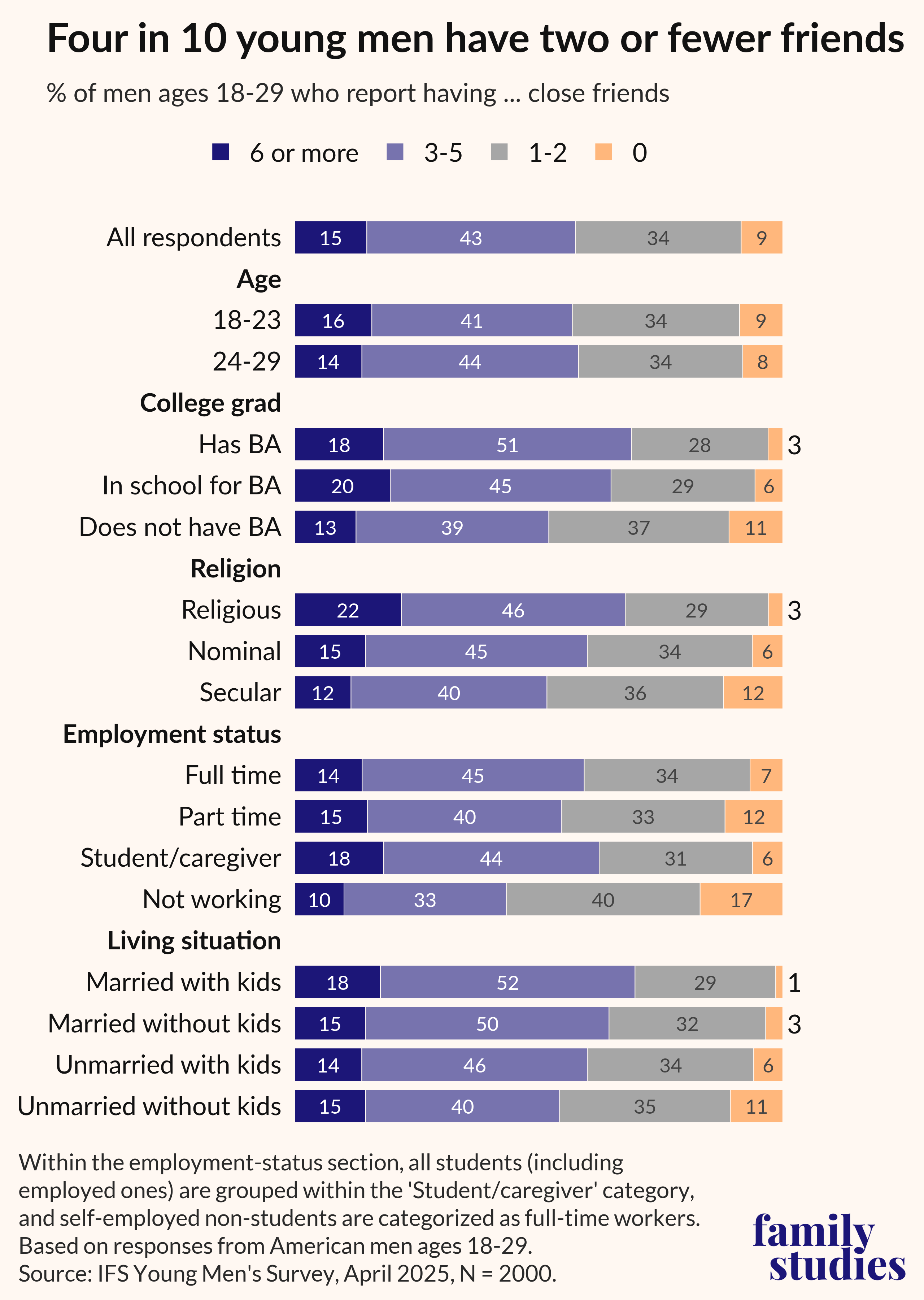 Figure 3. Percentage of men reporting number of friends by various characteristics
About 90% of young men report having at least one close friend, with the majority having three or more (58%). Conversely, 9% (about 1 in 10) say they have no close friends. That is half of the 17% without a close friend that we quoted earlier, citing a 2024 survey with the same population (young men ages 18-29). Although many factors can account for survey differences, some of the discrepancy might be explained by the fact that the other survey, unlike ours, specifically instructed respondents not to count their relatives. In addition to the young men with no friends, another 1 in 2 in our survey report having just one or two.
Among the expected demographic variables (marriage, parenthood, etc.), we see a notable relationship between going to college and making friends. For example, 52% of men without a bachelor’s degree have three or more friends, whereas 69% of those with this degree have that many, as do 65% of those currently in school for a BA.
Another factor that contributes to more friendships is participation in all-male groups, such as a boys’ sports team, during the school years. We asked young men if they had participated in any such groups during their childhood or adolescence. If a respondent said “yes,” his chance of having three or more friends (64%) was some 16 percentage points higher than those who said no (48%), and his chance of having no friends was about 9 percentage points lower (5% vs. 14%)
While friendship is certainly a protective factor against loneliness, it is striking that the 25% of young men who say they feel lonely most or all of the time is much higher than the 9% who report no friends. In the following figure, we see that there is a clear relationship between friend counts and loneliness: 43% of those with no friends feel lonely all or most of the time. However, so do 29% of those with just one or two friends, and 21% of those with three to five. Similarly, 28% of those with one to two close friends reported feeling isolated, as did 21% of those with three to five friends, and 20% of those with six or more. Friendships help but do not guarantee feeling included.
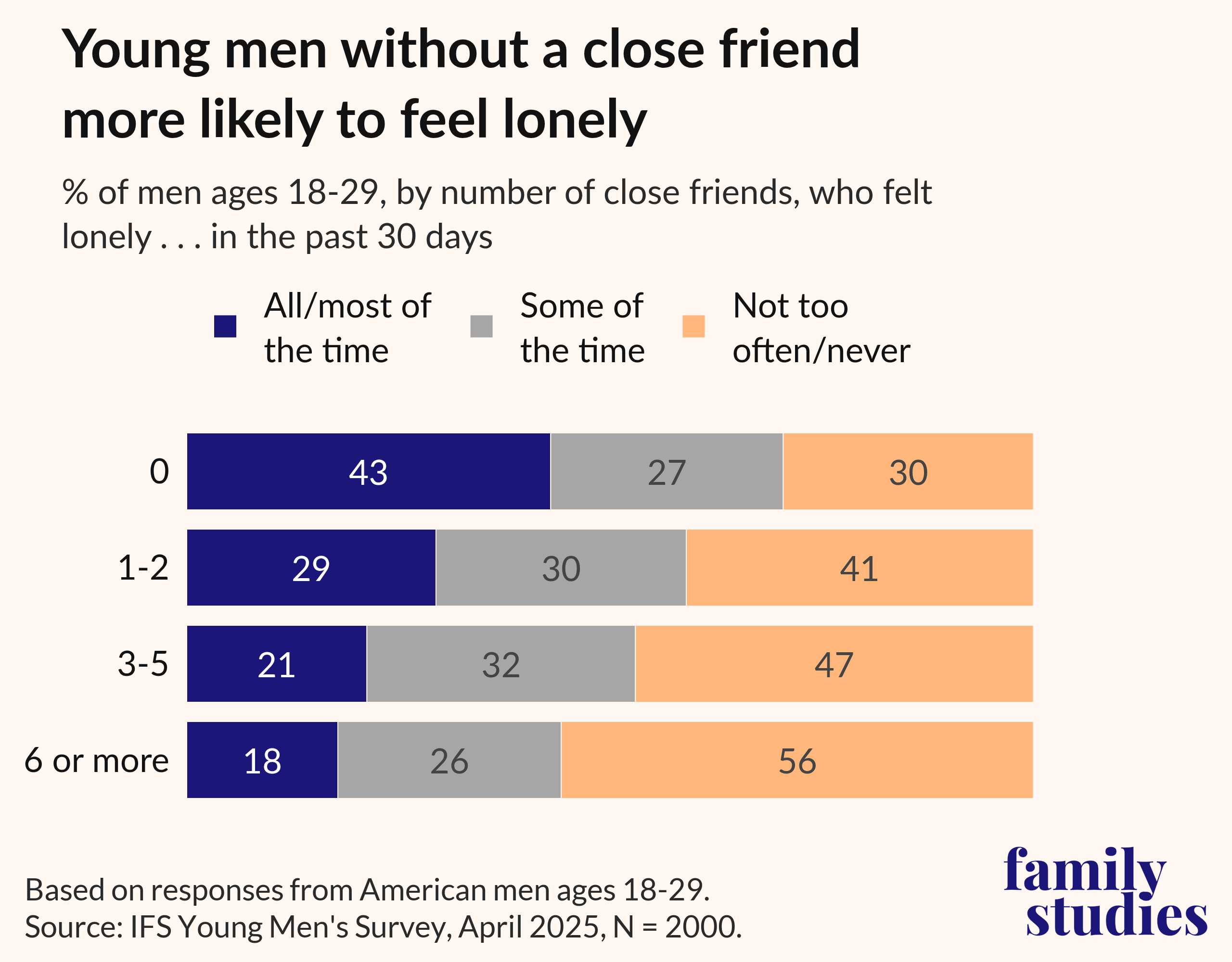
Figure 4. Percentage of men who report feeling lonely, by number of close friends
For many young men, there is clearly a substantial friendship deficit, symptomatic of a wider decline in social participation (see below). Specifically, 42% of the young men in our survey reported two or fewer close friends. This includes 31% of husbands, 36% of fathers, around 40% of both liberal and conservative respondents, 31% of college graduates, and 32% of religious respondents. No demographic group is immune to the lack of friendships.
Social Support
For another measure of personal support beyond friendship, we asked respondents how often they had someone available who could provide them with care, assistance, and companionship. The list of possibilities (see the statements in the figure below) include things like having someone to provide advice about a personal issue, or someone who will listen to them when there is something they have to say. Despite the extent of loneliness and the relatively small number of friends that young men have, about two-thirds report having someone in their life most or all of the time who can listen to them (64%), provide advice (62%), and with whom they enjoy spending time (67%) and engaging in fun activities (63%). Just 5 to 8% of the young men report not having such support at all. Still, for 25 to 30%, this support is only available “some” of the time.
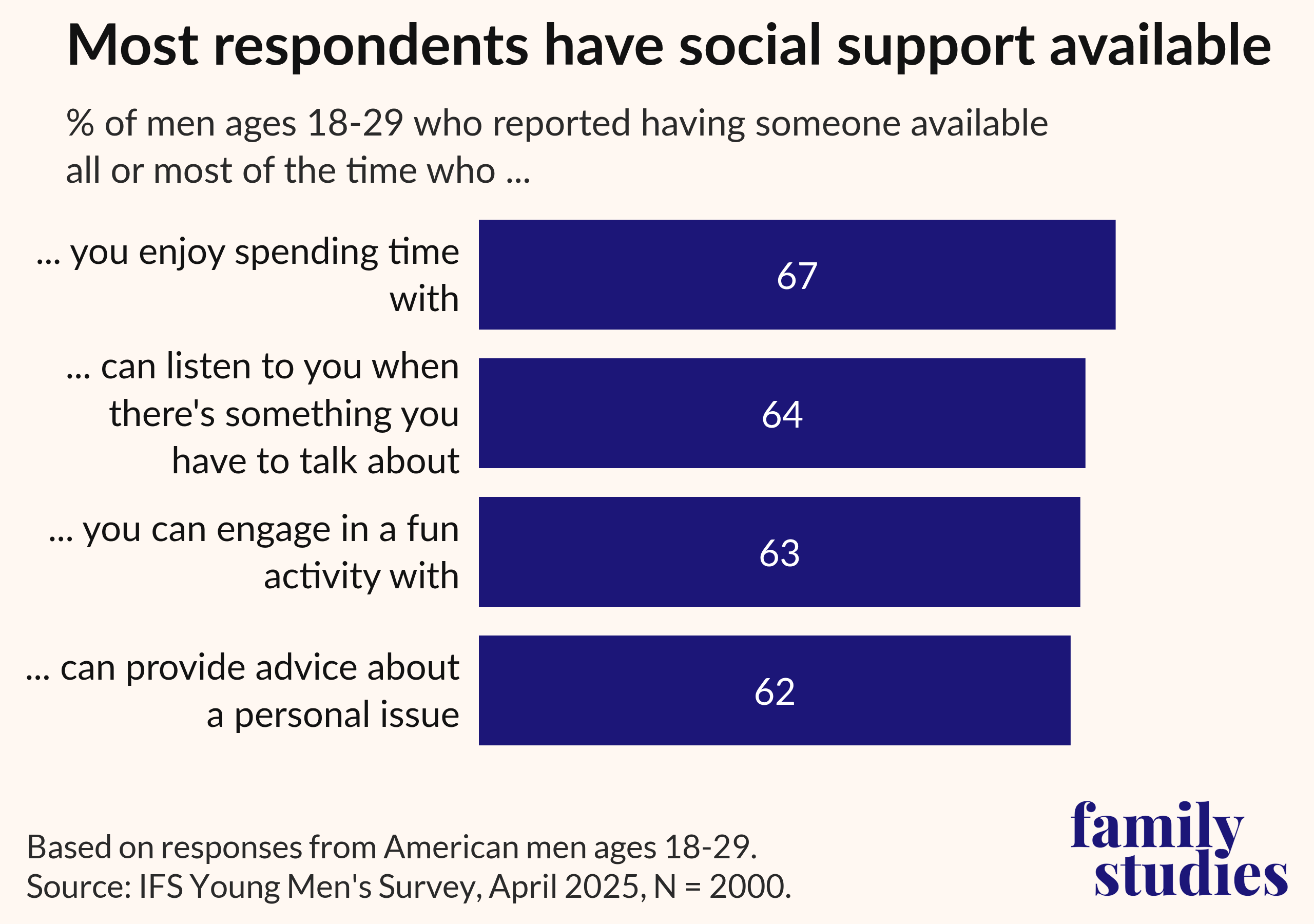 Figure 5. Percentage of men who report having someone available in various capacities
Who is providing this support? Since the responses to all four questions are so similar, it seems likely that respondents who give the answer all or most of the time are thinking of just one or two persons with a stable presence in their life. As the following figure indicates, married men tend to enjoy more social support than their unmarried counterparts. Along with close friends, spouses (who may or may not be thought of as close friends) play a very important support role.
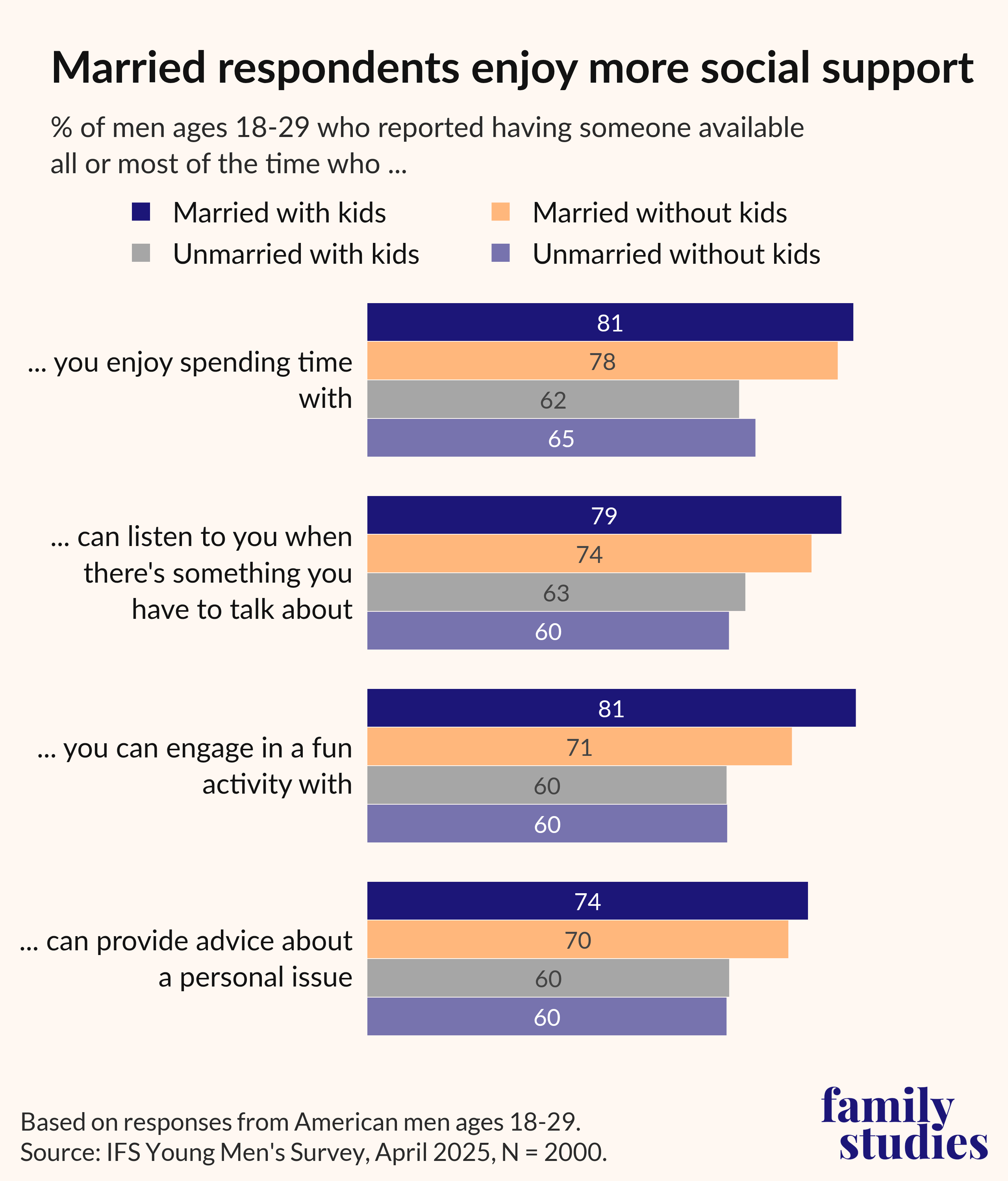 Figure 6. Percentage of men who report having someone available in various capacities, by marital and parental status
Most parents today are heavily involved in the lives of their young adult children (a process that also began to grow in the 1970s). We already noted the desire of many parents to be best friends with their children, and in a 2023 Pew Center survey, majorities of parents say they text (73%) or talk on the phone (54%) with a young adult child (ages 18-34, men and women) at least a few times a week. They offer advice, help financially (59%), and say their young adult kids rely on them a great deal or a fair amount for emotional support (41%; more mothers than fathers, and more for daughters than sons). Young people confirm these assessments, with those ages 18-24 most likely to turn to their parents for help and advice. For young men, parents may fill a support gap in the absence of friends and wider community engagement. Our data suggest, however, that despite parental involvement, this absence may still leave them feeling disconnected.
Social, Civic, and Religious Participation
Much has been written about the waning of civic engagement, religious participation, volunteering, and other forms of associational life among young people. The attenuation of community, as influentially demonstrated by Robert Putnam’s Bowling Alone, is certainly not new or confined to youth. The associational decline has proceeded since the late 1960s with each generation less engaged in public life than the last. The membership in what Alexis de Tocqueville called “mediating institutions”—voluntary associations from churches to service clubs, bowling leagues to hobby groups—has dramatically contracted in recent decades. Rates of formal volunteering have also declined. These trends, along with comparatively lower educational attainment and employment prospects, are part of the “disconnected young men” story.
Along with the bonds of friendship, we also queried young men about their integration into the larger community, whether they are involved through group membership, volunteering, or attendance at religious services. Before exploring these more objective measures, our first question sought to tap respondents’ perception of their assimilation into social life. To what extent, we asked, did they personally agree or disagree with the following statement: “I don’t feel I belong to anything I’d call a community.” We did not specify what sort of community or provide examples or offer direction of any kind. The question was about anything they might call a community.
As with the loneliness and isolation questions, about half of young men are entirely missing relations that provide meaningful connection. Specifically, 18% strongly agree that they have no community they can call their own, with an additional 30% agreeing somewhat. And the pattern was basically the same as we saw earlier: greater agreement from those who are most subject to the forces of formlessness—men who are unmarried, without a four-year college degree (and not pursuing one), secular, and from a household where their parents divorced. But, to emphasize once again, despite the comparative advantages, 36% of religious men, 36% of those with a bachelor’s degree, and 28% of married men with kids also somewhat or strongly agree that they lack a community.
To assess community involvement, we also asked about volunteering, along with whether they participate in any of six types of associations. These included fraternal organizations (i.e., the Lion’s Club), social clubs (i.e., a book group), civic organizations, and faith-based groups (see the figure below for the full list). Although the question was asked in the present tense, we did not specify a time period, such as “in the past year,” or a frequency.
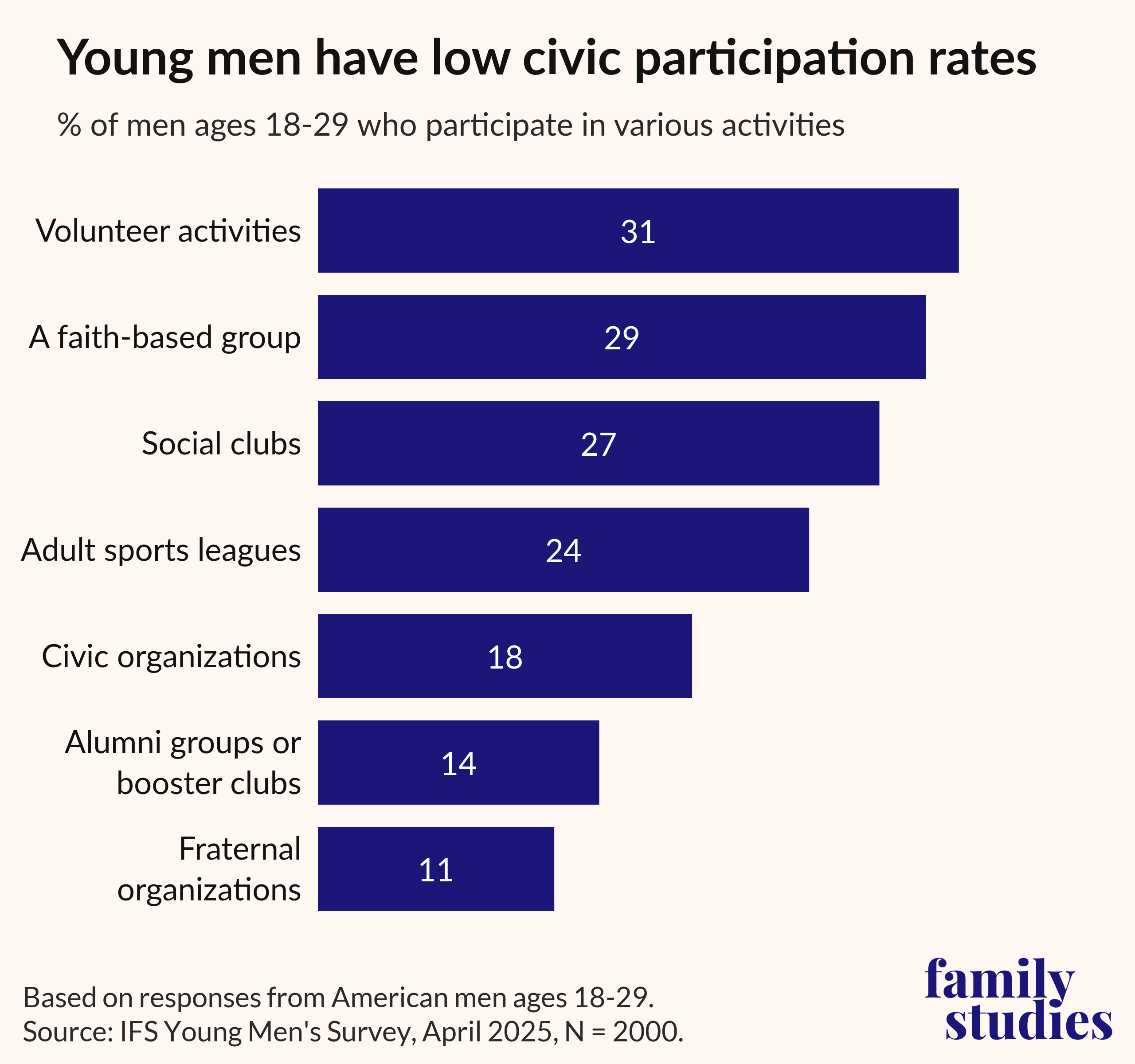 Figure 7. Percentage of men reporting participation in various social organizations
Close to 1 in 3 young men report volunteering, such as at a food pantry, an after-school program, or the fire department. A quarter are involved in adult sports leagues, and more than a quarter are engaged in a social club (27%) or faith-based group (29%). Fewer than 1 in 5 take part in a civic organization (18%) or an alumni/booster club (14%), and just 11% belong to a fraternal group. It may be, as social scientists have observed, that compared to earlier generations, young people are replacing more formal organizational engagement with novel, looser, and more sporadic forms of participation. For many, unstable occupational and transient living arrangements may strain the ability, even if desired, to commit to regular meetings, pay dues, and other expectations of group membership.
Surveys have shown that a college education is correlated with greater community involvement and civic participation. We also find that those with a college degree are more likely (39%) to volunteer than those who neither have, nor are pursuing, a four-year degree (27%).
However, very strong volunteer rates are also reported by men who completed trade school or an apprenticeship. As noted in Part I, Chapter 2, these men comprise 18% of our overall sample, and some (27%) also have four-year-college degrees. They (and we are excluding those who have a bachelor’s degree) are significantly more likely to volunteer (45%) than those who have not completed such a program (26%). Most commentary on young adults, unfortunately, misses these skilled men entirely, lumping them together with all those who do not hold a degree.
Those currently in school—a substantial 30%—also have very strong volunteer rates (43%). As schools incubate social clubs and activities, this is not surprising. For some educational programs, volunteering may be a class requirement and is often recommended for resume building. But the fact that 28% of these young men also report feeling lonely and isolated all or most the time in the past month (and another 32% some of the time) also reminds us of the difficult circumstances of college. As with the number of friends, participating in social activities like volunteering does not provide as much protection as we might expect.
Interestingly, despite the lack of free time reported by many parents, married fathers are more likely to volunteer (45%) than unmarried men without kids (25%). One possible explanation for this difference is that having children opens up (perhaps even requires) many additional volunteer opportunities, such as after-school activities and youth sports teams.
As we can see from the previous figure, overall participation in these types of group activities is low, although a majority of respondents (57%) do participate in at least one. Participation rates are higher among trade school and apprenticeship graduates; religious respondents; and married men with kids (as compared to unmarried men without kids). While full-time employees and self-employed respondents have higher participation rates than those who are not working (and neither in school nor caregivers), they have lower rates than students and caregivers.
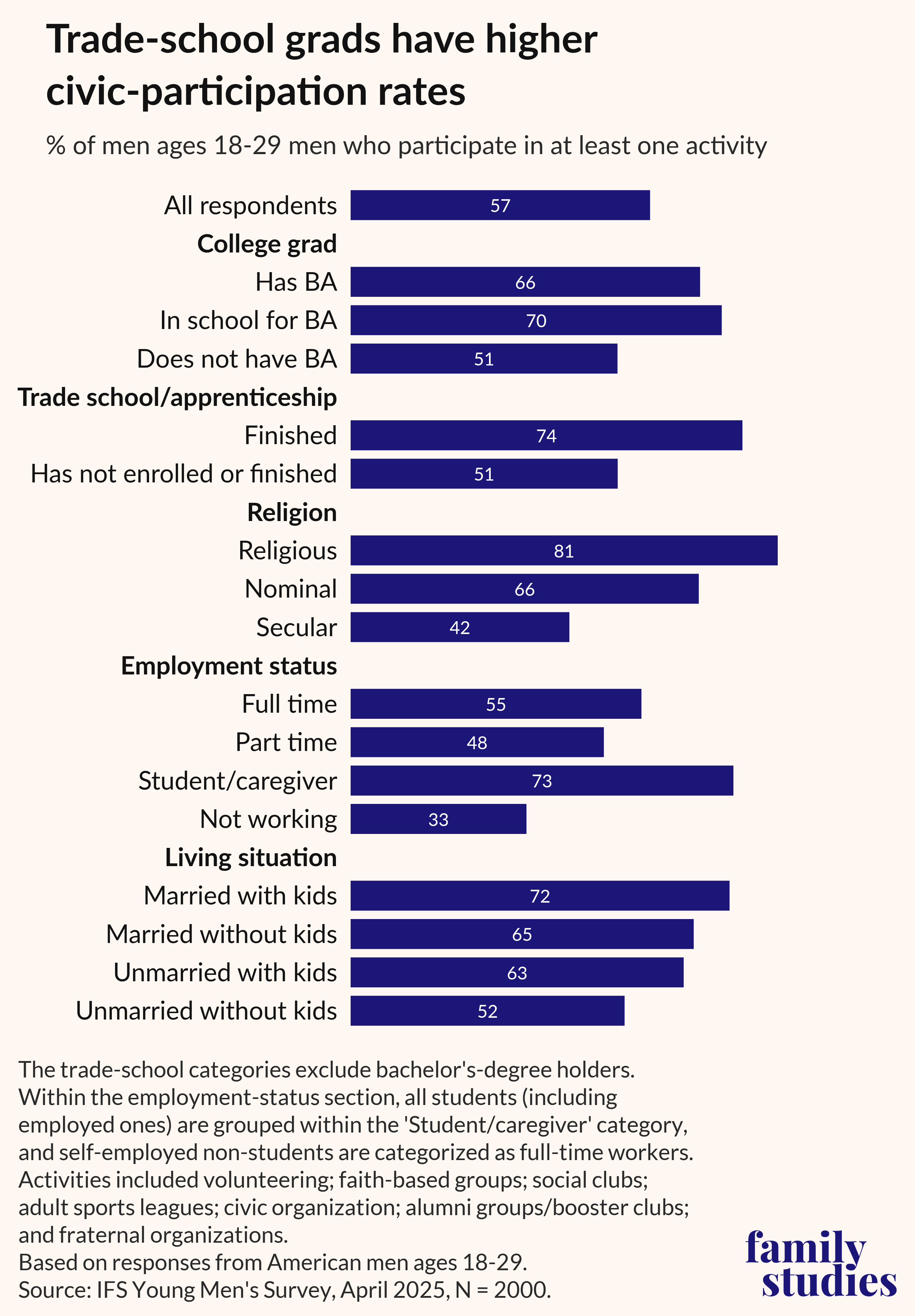 Figure 8. Percentage of men who participate in various social organizations, by various characteristics
In his book Bowling Alone, Putnam worried about the decline of membership in religious institutions and attendance at services. Participation in these institutions, he argued, is a significant predictor of volunteering and is comparable to high educational attainment in its association with civic engagement. Fewer people going to services, he wrote, spells trouble for civil society.
In our survey, we find that religious respondents are more likely to report involvement in at least one activity (81%) than nominal (66%) or secular (42%) respondents. Similarly, the religious are around twice as likely to report volunteering (45%) as secular respondents (22%). The problem, from the Putnam perspective, is that the secular contingent outnumbers the religious by more than two to one.
Attendance at religious services is not the same thing as participation in a faith-based group. For example, 40% of those who met our definition of “secular” (attending services less than once a year) report a religious affiliation; the other 60% report being an atheist, agnostic, or “nothing in particular.” More than 1 in 10 participate in a faith-based group. Meanwhile, only some of the “religious,” who, by definition, attend worship services a lot, report such participation. We took up religious attendance separately by asking how often these days, apart from weddings and funerals, they attend religious services.
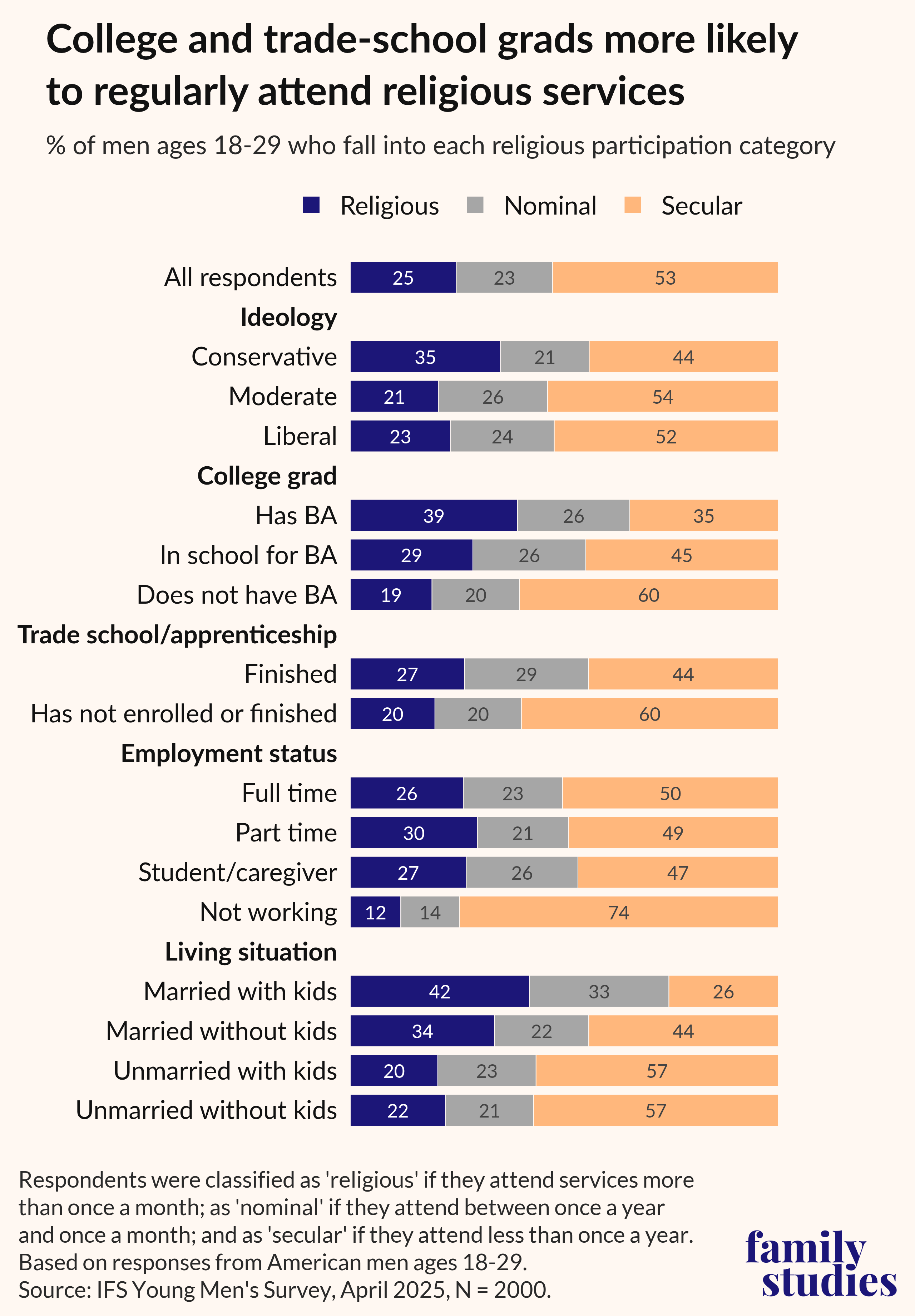 Figure 9. Percentage of men who regularly attend religious services, by various characteristics
What is striking here is just how few young men are regular church (synagogue, mosque, etc.) goers. To simplify the eight response categories, we combined those who never attend (39%) and those who attend less than once a year (14%). This is the group we label “secular,” and it includes more than half of all young men (53%). Meanwhile, 23% of men are in our nominal category, which includes those who attend between once a year and once a month. That leaves 25% of men in our religious category, i.e., those who attend more than once a month.
As noted, the secular young men, who tend to identify as “nothing in particular” (37%) or agnostic or atheist (23%), are around half as likely as religious respondents to volunteer and be “joiners” of any sort of voluntary association. Similarly, they are less likely than religious respondents to have at least three close friends (52% vs. 68%); to be married (9% vs. 25%); to be a parent (25% vs. 35%); and to have a bachelor’s degree (14% vs. 34%). In addition, they are much more likely (57%) than religious men (36%) to feel that they do not belong to anything they would call a community. In short, this is the group of young men least connected, not only to religious but to associational life in general.
A question much discussed in recent years is whether young men are becoming more religious. To be sure, there is evidence from recent surveys of rising attendance. We took the direct approach and queried respondents about whether, in recent years, they had become more religious, less religious, or stayed about the same. More than 1 in 4 (28%) say that they are now more religious than they were before. The biggest movement was among the “religious” group (those who attend services regularly). Wherever they started from, 52% report increased religiosity, with only 11% reporting less. About 30% of the nominal, and 15% of the secular also indicate becoming more religious. Of those currently in school, 36% say they are more religious, while among those, without a BA degree, who have completed trade school or an apprenticeship, the figure is 40 percent. Conservative respondents are twice as likely (42%) as liberal ones (21%) to report having grown more religious.
However, a similar percentage of respondents (26%) report a decline in religiosity, including among the nominal (29%) and secular (32%). Additionally, 34% of liberal respondents, compared to only 18% of conservative young men, say that they had grown less religious. Meanwhile, the plurality of all men we surveyed (46%) said that they have stayed about the same. Over half (53%) of secular respondents and about one-third (36%) of religious respondents indicate that their religious views have not changed much.
Family Relations
In Part I of this report, we touched on the issue of fatherlessness and the question of role models and influencers. One of the central worries about young men is that, in a world where divorce and single parenthood are common, many do not have men in their life who can model manhood and provide authoritative guidance and steady support. As we noted, only 63% of young men had their biological father present on a continuing basis when they were growing up. The father was missing in 16% of the cases and was an intermittent presence in 21% more. Being motherless was also an issue, but for far fewer young men (5% missing, 11% only present part of the time).
To those who reported no biological father present, we asked if there was a man in their life when they were growing up who they thought of as a father figure. We provided a list of possibilities, as well as an “other, please specify” option. The possibilities included an older brother, an uncle or other relative, a coach, a teacher, or a Big Brother (or similar youth mentor). Respondents could choose all that apply, or none.
We also offered a write-in option; of the 126 written-in responses, half told us that no father figure was present. Not surprisingly, since we only asked about biological fathers, many of the other responses refer to adoptive fathers and stepfathers. A small number of young men also name a grandfather or other relative. Among our pre-selected options, the most common response was uncle or other relative (30%), and 16% checked older brother. The non-relatives included teacher (15%), coach (12%), and Big Brother or similar youth mentor (8%). For the great majority of young men (69%) who grew up without a biological father, adoptive father, or stepdad, a father figure was present in their lives.
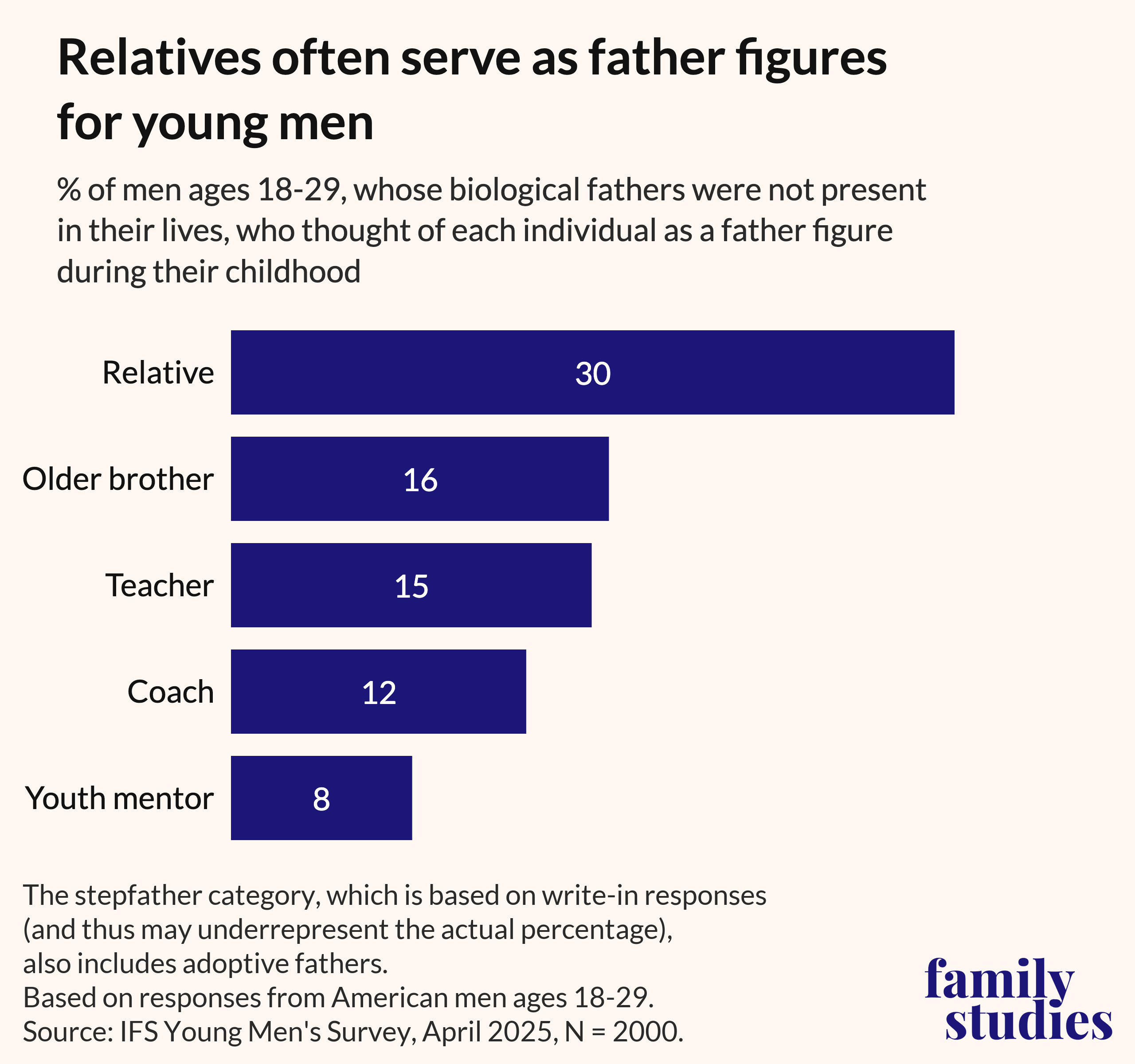 Figure 10. Percentage of men without a biological father present who see various people as father figures
As social science has shown, having a father in the house growing up is generally beneficial to a young man’s development and transition to adulthood, even when aspects of the relationship may be less than ideal. In considering their situation, we also wanted to ask about young men’s current relationships with their parents, if any. As we have stressed, parents can play a significant role offering advice and support to their young adult children. But, as we also find with friendships and social participation, the role they play does not necessarily protect against loneliness and isolation. There is no substitute for belongingness in a wider community. Yet, good relations with parents are always beneficial.
To that end, we asked young men to rank their relationship with their mother and father along a scale that ranged from very good, good, fair, or poor, to “I have cut off contact.” For those without a father or mother, we included a not-applicable response.
Taking the father first, we get the following portrait: 27% say that their relationship with their father is fair or poor, or that they have cut off contact with him. An additional 24% describe the relationship as “good,” and a plurality (39%) as “very good.” (For 9% of respondents, this question was not applicable.)
Young men with a fair or worse relationship with their father are less likely to have a college degree (29% vs. 18%). Secular respondents are more likely to say this about their relationships with their fathers (34%) than religious ones (16%), as are those from families where the parents divorced (37%), compared with those in which there was no divorce (18%). Notably, only 10% of married respondents with children report a fair, poor, or severed relationship with their father; this was a sharply lower share than those who were married without kids (27%), unmarried with kids (30%), or unmarried without kids (29%). It is evident, therefore, that those with the weakest relationship to their father tend to be the same men with lower institutional embeddedness.
Relations with mothers are better overall. Here, just 3% of respondents mark N/A, and around 1 in 6 report a fair, poor, or cut-off relationship. Meanwhile, the majority (53%) describe their relationship with their mother as ‘very good,’ and an additional 27% consider it ‘good.’ As with paternal relationships, secular respondents, those from divorced families, and those who neither have nor are pursuing a college degree are more likely to report less favorable relationships with their mothers.
Social integration is a significant challenge for many young men. They receive emotional support, especially from partners, if they have one, and from their families, but friendship networks are often small and group affiliations few. As a rich body of research has shown, dating back to Emile Durkheim’s famous book Suicide, the loss, weakness, or absence of valued attachments is distressful and robustly associated with poor mental health.[xxii] Young men struggle with loneliness and isolation, and, as we’ll turn to in the next chapter, with another source of situational distress—a sense of subordination to forces they cannot control.
Chapter 5: Alienation and Distress
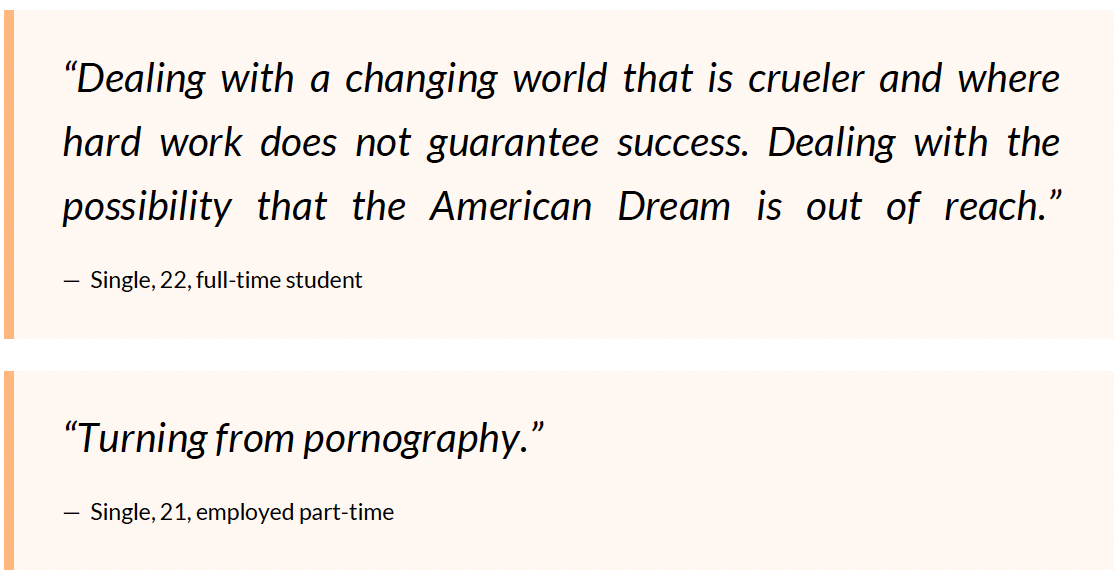
One of the frequent claims made by writers on the crisis of young men, especially those young men from the white working class, is that they are “alienated.” In popular writing, the term can often mean several different things. Sometimes it means social estrangement or marginalization, sometimes a lack of meaning or purpose, and sometimes a disillusionment or apathy. The attributed causes range from fatherlessness and a scarcity of positive male role models to political polarization and the “Me Too” Movement. In this account, incels (an online group of “involuntary celibates”) are an example of alienation, the manosphere is tapping into it, and self-loathing is a consequence. Violence is also a manifestation, as is passivity, lack of aspiration, and a fatalistic attitude.
In its original meaning, alienation was a powerlessness brought about by certain objective conditions in society—workers, for example, who had lost the means of control over their own work product and could no longer see themselves in it. Now, in popular discourse, alienation often specifies a failure of individuals. Persons are held responsible to assimilate themselves to the conditions of the social world regardless of how they happen to find them. They can defy social rules and conventions, of course, and there is plenty of that. But ironically, their resistance must be of the socially approved type, the type applauded as a worthy struggle. When socially disapproved, being out of step is a sign of alienation—of being lost, not liberated. Since the social conditions are constantly changing, young people must stay adaptable and flexible, as we noted in Part I. And failing to self-assimilate in a timely fashion is a measure of the crisis engulfing young men, as we saw in the first report’s Introduction.
In our survey, we inquired into young men’s sense of alienation by exploring their perceptions of the link between their own effort and success, their ambitions and confidence, and their sense of self-efficacy in bringing about desired outcomes. The questions we asked cannot, of course, tell us what the actual, objective situation is in our society. Rather, what they allow us to see is what young men perceive to be the objective economic situation, their sense of control with respect to this state of affairs, and their hopefulness or fatalism about the future.
In a society that aspires to be a meritocracy, success is supposed to be determined by each person’s talent and industriousness. External barriers set by ascribed characteristics, like race or family background, are to be—as far as possible—removed. Individuals can pursue opportunity, better themselves, and enjoy social mobility through their own personal effort and ability. Though often criticized as an illusion and labeled a myth, the notion of meritocracy has long been the foundation of the American Dream and the motivational foundation for calls to apply oneself and persevere in one’s plans and projects. Widely acknowledged as never fully realized, the Dream was nonetheless a promise of a better future.
To access their judgment about the value of hard work, we asked respondents if, and to what degree, they accepted or rejected three statements.
Statement 1: "Who you know is more important than ability or hard work in getting ahead."
Nearly three-quarters of young men either strongly (27%) or somewhat strongly (45%) endorse this anti-meritocratic belief; just 7% strongly disagree. Married men are somewhat less likely to agree with this statement (64%) than their unmarried counterparts (73%), but we found little difference by employment status, parental status, age, college education, or intact (no divorce) family upbringing. In other words, the primacy of “who you know” is clearly a widely shared conviction about the economic system, indivisible by the categories where we typically find differences.
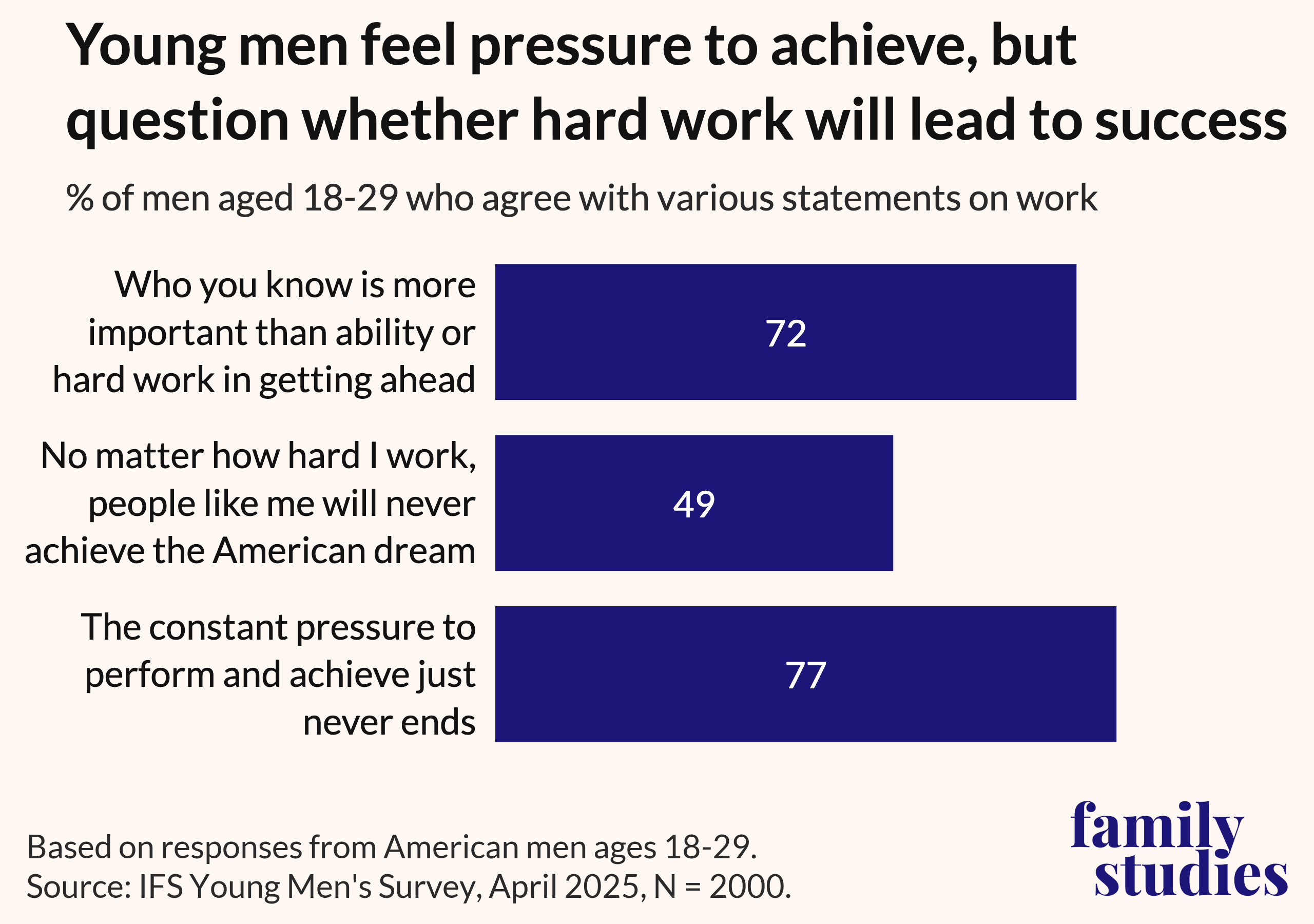
Figure 11. Percentage of men who agree with various statements on work and success
Statement 2: "No matter how hard I work, people like me will never achieve the American Dream."
Half of young men strongly (19%) or somewhat (30%) agree with this statement. The American Dream has been defined in many ways, but we commonly understand it as the promise that working hard will lead to a certain standard of living, including such things as access to good housing, education, and the resources necessary to marry and raise a family. To be clear, we did not ask respondents how they define the American Dream. Assuming they hold something like this general picture of what it means, however, then it seems that many young men believe that current economic realities deny people like them the chance to attain a better and more secure future.
Full-time-equivalent (FTE) work, in the eyes of a large number, is not a sure route to achieving the American Dream. Among non-students and non-caregivers, over 4 in 10 (43%) of full-time and self-employed young men agree that, for “people like me,” the American Dream is inaccessible,” while even more of those not working endorse this view (60%). Similarly, about one-third (36%) of those with a BA degree or higher appear doubtful that their degree(s) is a ticket to social mobility. Those without a bachelor’s degree or pursuing one, however, are even more likely (54%) to see the American Dream as inaccessible.
Statement 3: "The constant pressure to perform and achieve just never ends."
This third statement is less directly about the value of hard work than about its endpoint or goal. It is, in part, a question about whether young men see a clear-cut destination toward which their effort and striving might be directed, or if they see something indeterminate and unreachable instead. Three-quarters are again either strongly (34%) or somewhat (42%) in agreement. And we observe little variation across sociodemographic groups. For instance, 80% of liberals and 78% of secular respondents endorse this view, but so do 75% of conservatives and 76% of religious respondents (these differences are not statistically significant).
At first glance, there is a seeming defeatism in the agreement with these three statements. If investing one’s effort and doing it to the best of one’s ability does not lead to success and getting ahead, or, alternatively, leads to a “success” that is little more than a hamster wheel of endless striving, then perhaps trying hard makes little sense. Perhaps, rather than open, the future is already settled.
To explore further, we presented two statements, drawn from the sociology of stress literature, to access respondents’ feelings of self-mastery and self-worth. Asked how well this statement—“I often feel that I have little control over the things that happen to me”—describes them, a remarkable 61% of young men say very (21%) or somewhat (40%) well. Only 1 in 10 say it does not describe them well at all.
There is some minor variation. Those with a bachelor’s degree are less likely (51%) to endorse this statement than those who neither have, nor are pursuing, a BA (63%). Those who are not working (or students or caregivers) are more likely (72%) to say the statement fits than those working full-time (53%). This gap may well reflect the higher concentration among the unemployed, as we noted in Part I, of men dealing with current mental health and disability issues. Even so, over half of workers also feel limited control over their personal experience. Which is concerning, because a sense of agency in decision-making and responsibility is crucial to how young men define what it means to be adult.
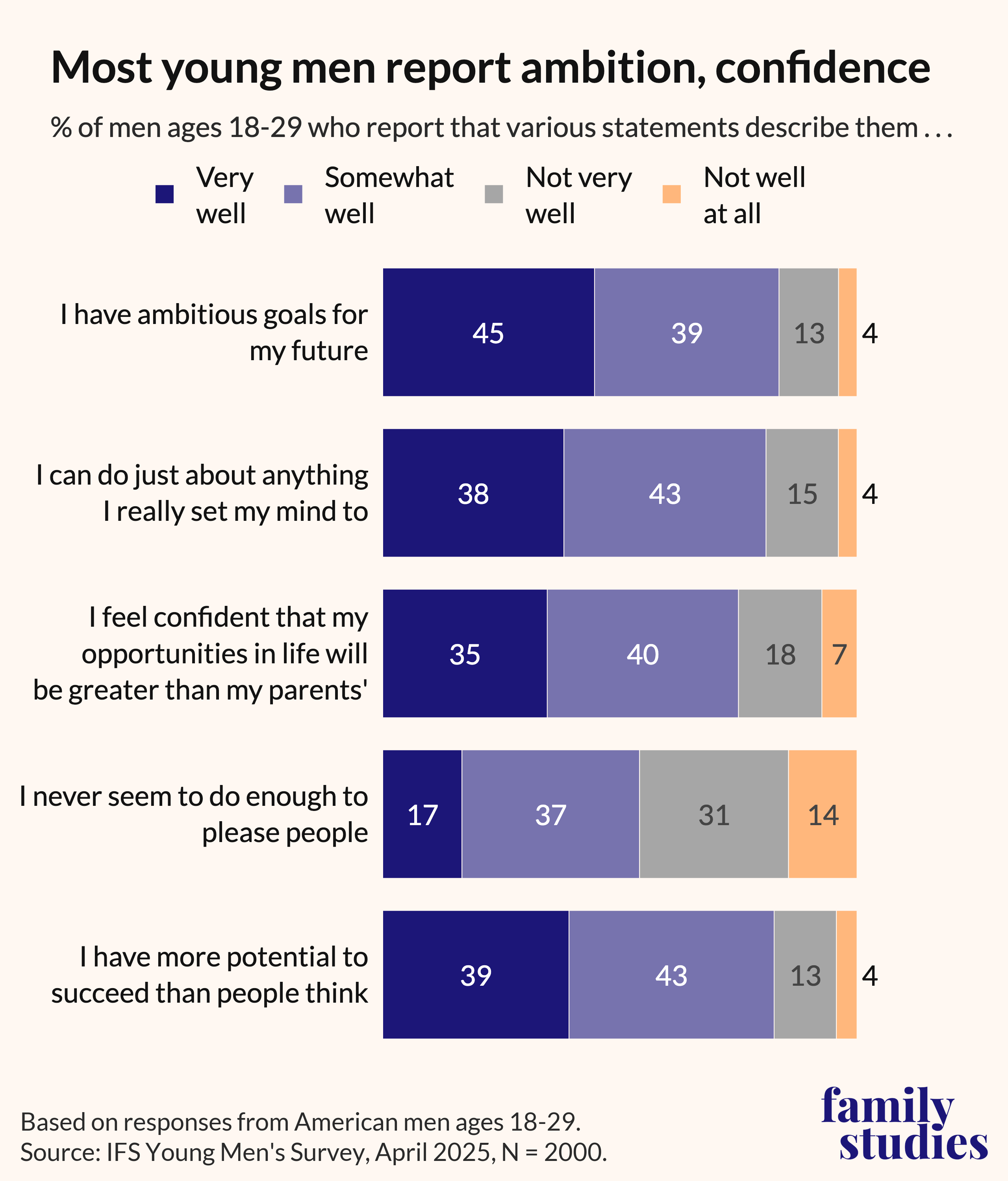
Figure 12. Percentage of men who report that various statements describe them
The second statement, also phrased negatively, asked about self-appraisal: “all in all, I am inclined to think that I am a failure.” More than 4 in 10 young men feel this statement describes them “very well” (15%) or “somewhat well” (27%); only 1 in 3 fully reject it. If feeling little control expresses a powerlessness over one’s circumstances, judging oneself a failure surely expresses a deep demoralization. Many experiences might give rise to self-derogatory feelings, including the incessantly downbeat way in which they are addressed in our society and the “non-event stressors”—a concept defined by the sociologist Leonard Pearlin as the “disjunctures between socially valued goals and differential access to opportunities for their achievement”—that they are subject to in their everyday life.
We found, for instance, that men who are not working or in school are especially inclined (56%) to see the failure statement as describing them well. Similarly, those who have not graduated from college nor are pursuing a degree are more likely (47%) to endorse this statement than are those who hold one or are studying (32%). For men without jobs or college degrees, feelings of inferiority, such as feeling less than a full adult, may arise from the experience of failing to meet socially normative standards. They are expected to discover their purpose and excel at it, to adapt and seize opportunities, to show they are making something of themselves. Success in this regard is not a status they can confer on themselves. It requires, we might say, some evidence that is visible to others and acknowledged by them—the sort of evidence that, for example, contributes to the comparatively more esteemed feelings of married men, degree holders, and those fully employed.
In this report, we have repeatedly observed very similar positive outcomes between college graduates and those who have completed trade school or an apprenticeship. But here, the outcomes for trade school or apprenticeship graduates, with 49% seeing themselves as failures, are much closer to those without degrees (46%). Whatever else could be at work producing this variance, we might recall the attitude we mentioned in Part I, Chapter 2. A substantial majority of young men agreed that “in our society, men who work in blue-collar jobs (construction, plumbing, etc.) are regarded as not very smart.” For men in those fields, some of their lower self-evaluation may come back to such socially induced and belittling beliefs. On another question, discussed below, men without BAs who graduated from trade school or an apprenticeship are the most likely (88%) to feel that people underestimate their potential.
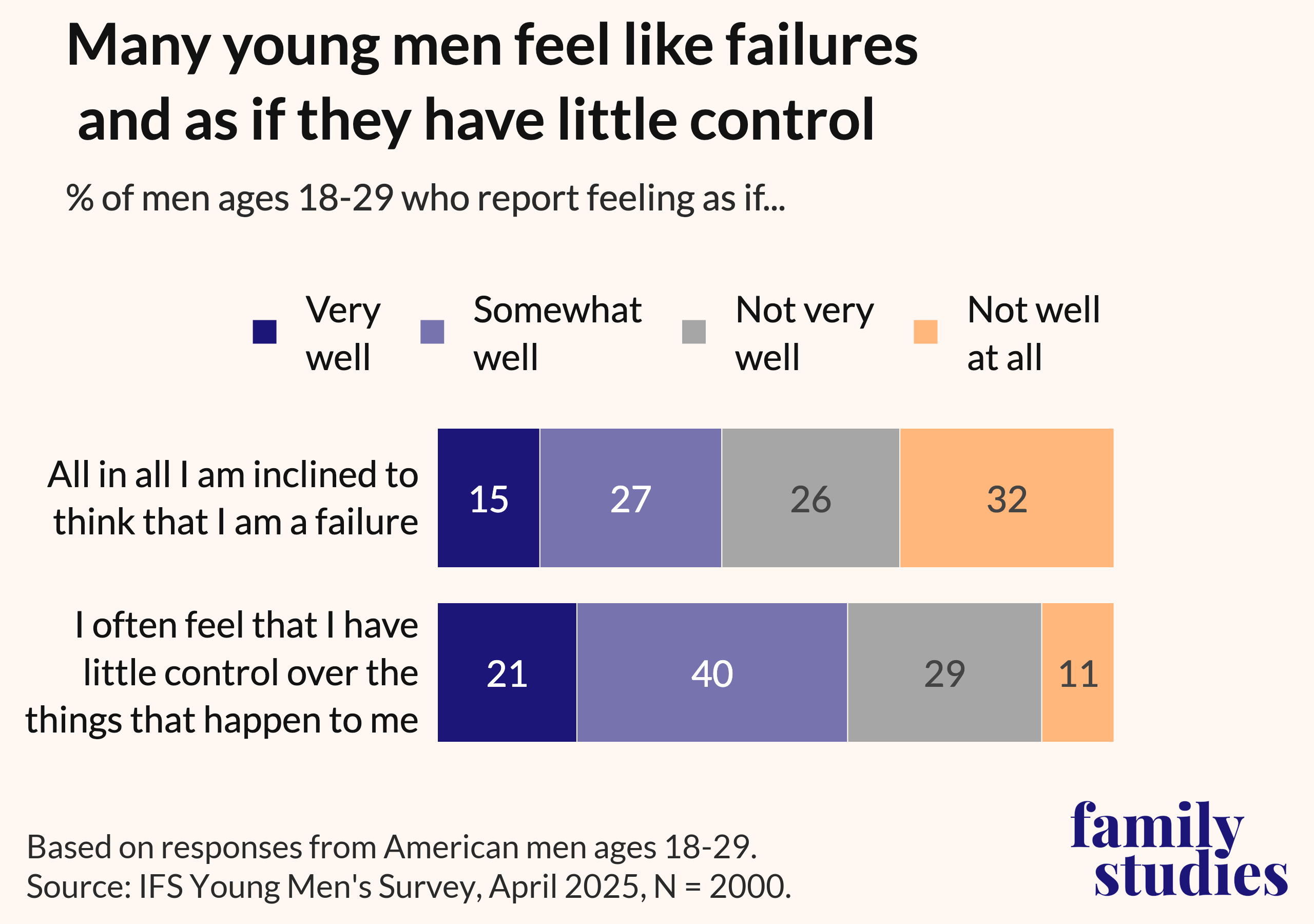
Figure 13. Percentage of men who report feeling like a failure or like they have little control
Combined with the work and American Dream statements, feelings of lack of control and personal inadequacy appear to demonstrate a fatalistic attitude for many. However, the response to the three positive statements we presented appears to complicate, if not contradict, this conclusion. These statements include: (1) “I have ambitious goals for my future,” (2) “I can do just about anything I really set my mind to,” and (3) “I feel confident that my opportunities in life will be greater than my parents.” Based on other responses from those we surveyed, we would predict that most young men would put little stock in such claims for themselves.
But that is not what we found—not even close. Even to the greater-opportunities statement, 75% think it describes them at least somewhat well. Similarly, 81% and 84% of respondents say the same about their capacities and ambition, respectively. In each case, full disagreement is rare. When we exclude caregivers and current students from consideration, we find that those not working—who, again, include the most impaired—are less likely (74%) than full-time or self-employed respondents (86%) to report ambitious future goals; however, a solid majority of both groups report having ambition. Regular religious service attenders are more confident (85%) than nominal (77%) or secular (69%) respondents that their opportunities will exceed their parents’ opportunities, perhaps reflecting a belief in the possibility of divine assistance. In addition, college grads and trade school/apprenticeship grads (82%) expect better opportunities than those who neither have a BA nor are in school for one (72%).
What could account for this surprisingly buoyant assessment? It is quite possible that a fatalism about the future, their power to assert control, and even their own self-worth is at the root of many respondents’ answers. Perhaps the stated optimism is a coping strategy. In the face of a highly unpredictable future and dogged experiences of failure, they have become convinced of their inability to alter unwanted circumstances, and so projecting themselves into the future or working out a realizable change of course just meets too many painful difficulties. Better to stay upbeat, while just going with the flow.
It may also be that young men have a too optimistic assessment of their own abilities and untapped potential, and that this self-portrait leads them to blame themselves or external forces for their inadequacies or situation in life.
Alternatively, while many young men may have lost faith in meritocracy and felt the sting of structural obstacles to their attainment of adult social goals, they still retain a faith in their own powers to get them through. Some may feel like a failure so far. They have not discovered their purpose, or advanced to where they expect to be, or found a romantic partner who will return their interest, but they are still young and have not necessarily given up on themselves, or on the possibility that things might develop in their favor. They are, we might say, alienated from the system but optimistic about themselves.
A final set of statements sought to access any frustration respondents might experience at discrepancies between their perceived effort and outcomes. The first statement was: “I never seem to do enough to please people.” More than half (54%) find this to be at least somewhat true to their experience. The second statement also expressed a mismatch between self and others’ perceptions: “I have more potential to succeed than people think.” For more than 8 in 10 young men, this idea resonates, at least somewhat. As with many of the other questionnaire statements, there is some variation; for instance, those who are unemployed (and not a student or caregiver) are more likely to report not doing enough to please people, and less likely to assert unrecognized potential, than full-time or self-employed workers. Nevertheless, what stands out from these results is how many young men feel that their effort is constantly being found insufficient and their potential often underestimated.
Frustration does not arise from indifference or apathy. Their responses suggest that many young men want others to treat them differently, to see that they are trying, to see that they have something valuable to offer. They want to be taken seriously, both for its own sake and perhaps also for the motivation that such respect might, in turn, give them to earn it. As we have emphasized, recognition is a two-way street. Rather than an easy accommodation to their circumstances, our findings in this area, as in others discussed earlier, suggest that young men care about their status, want to contribute, and are distressed by feelings of powerlessness. If anything, feigned indifference may be the coping mechanism. Convincing themselves or others they don’t really care may ease the pain of the gap between their experience and what they honestly desire their life to be.
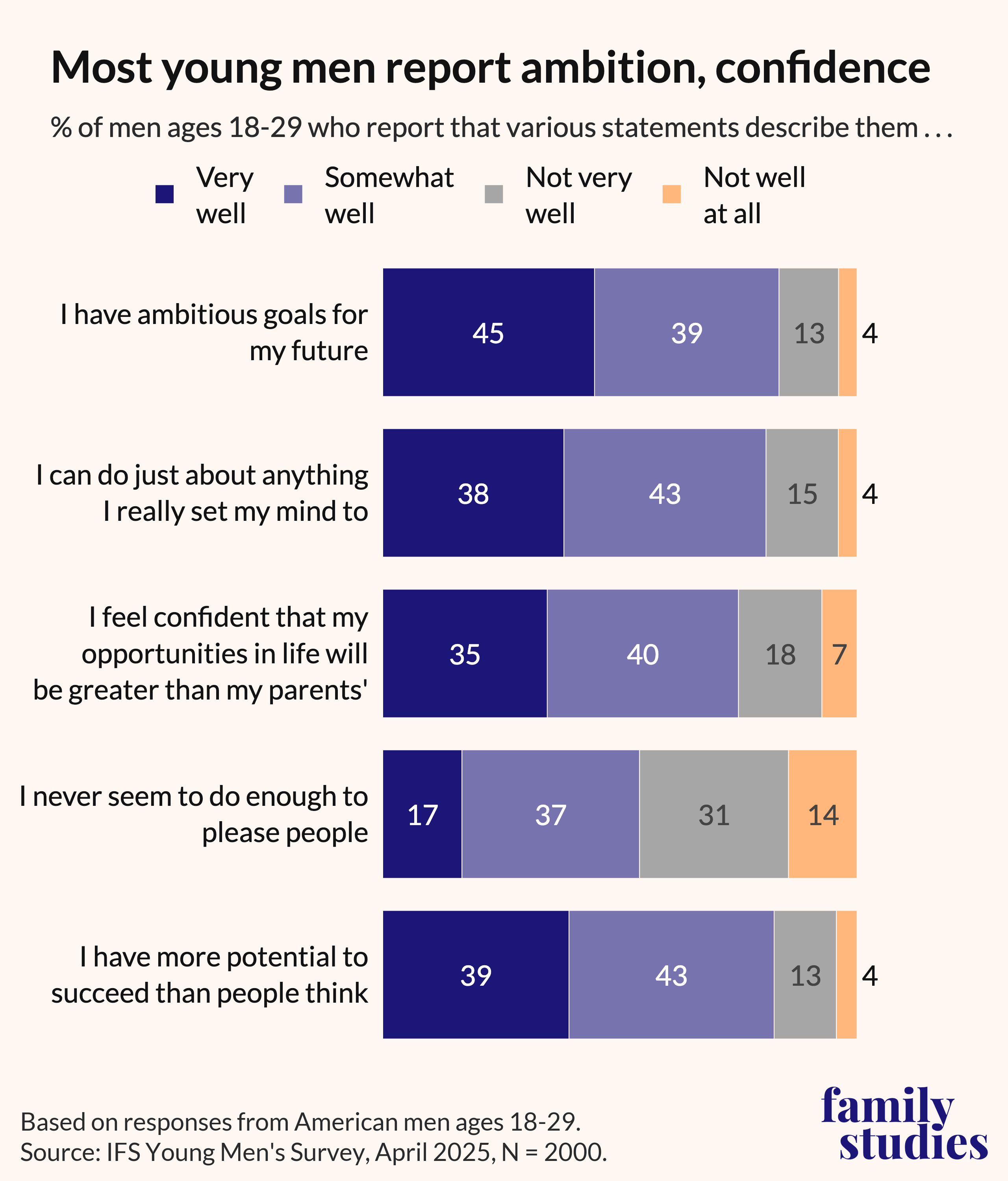
Figure 14. Percentage of men who report that various statements describe them
Mental and Emotional Distress
Where individuals are chronically unable to exercise control over their circumstances, they report high rates of psychological distress. This stress response, like others we present in this report—including lacking the means to attain valued goals and experiencing the loss or absence of prized relationships—is well-established in the research literature. As we find in this survey, many young men, in one or another aspect of their lives, encounter these types of social arrangements. We would anticipate mental health problems and maladaptive coping strategies.
We therefore asked respondents if they had ever been diagnosed or treated by a healthcare professional for six conditions, and whether they were currently experiencing symptoms or being treated. Earlier, in Part I, Chapter 2, we discussed autism, dyslexia, and ADHD. Here, we consider bipolar disorder, depression, and any anxiety disorder. The percentages of respondents who reported these conditions are presented below. We find an immense burden of suffering, somewhat higher than the rates in epidemiological studies for this gender and age group. It’s possible that some young men answered on the basis of symptoms, rather than more narrowly in terms of professional diagnosis and treatment.
Sixteen percent of respondents report ever being diagnosed or treated for bipolar, a chronic disorder characterized by extreme mood swings, with 8% currently being treated. Of these 8% receiving treatment, only half (excluding students and caregivers) are working full time. In addition, just 4% of those with current bipolar disorder graduated from college, a much lower share than the 27% of those who never experienced this illness. In addition, those with current or past bipolar disorder are around twice as likely (32% and 30%, respectively) to be an unmarried father as those without a history of this disorder (15%).
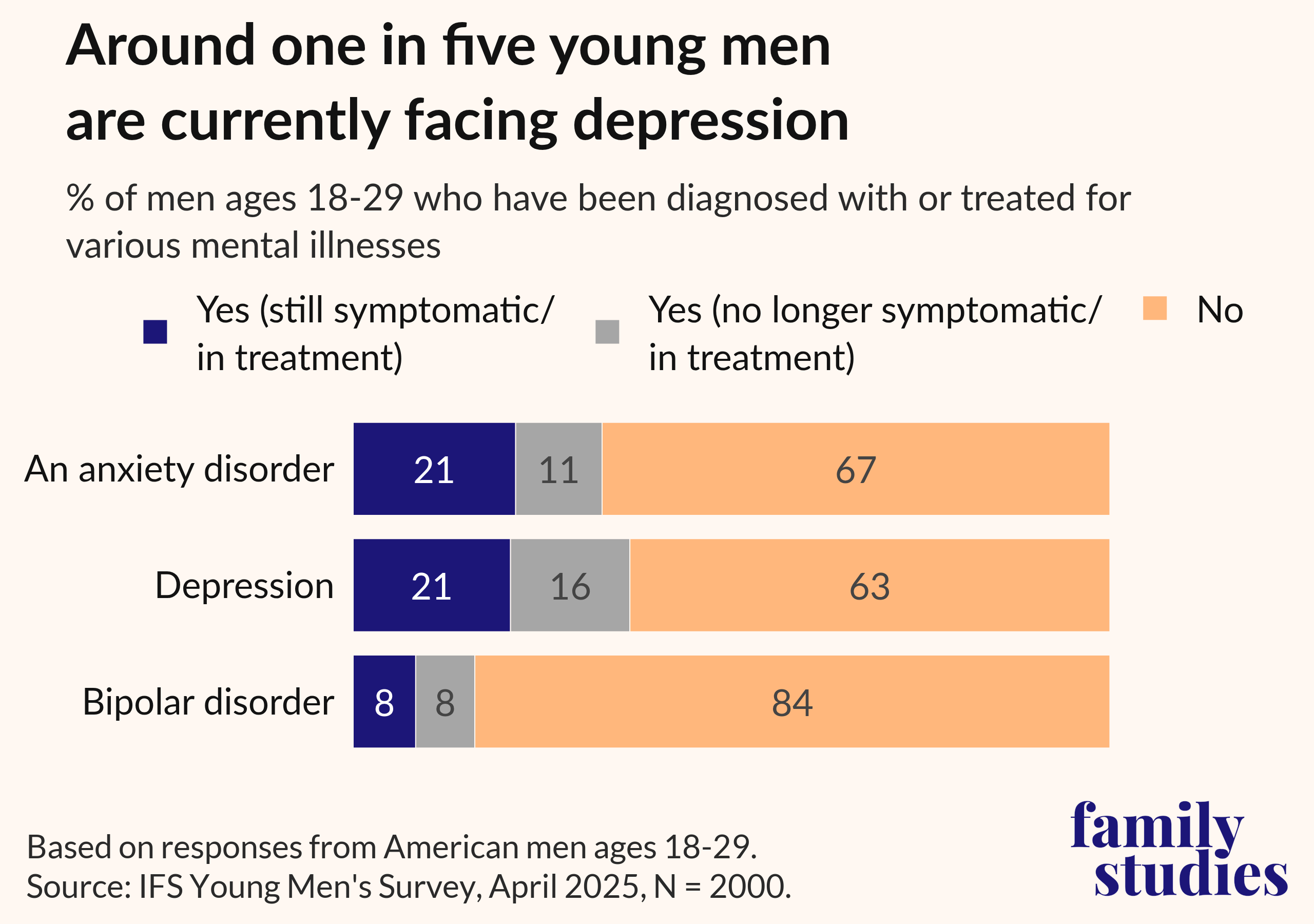
Figure 15. Percentage of men diagnosed with or being treated for various mental illnesses
Depression and anxiety disorders are even more commonly reported: 37% of young men indicate having suffered from depression, with 21% continuing to experience symptoms and/or receive treatment. Whether this describes persistent sadness, ongoing loneliness, or simply weariness about their situation, we cannot say, but plainly an extraordinarily large number of young men are under a dark cloud. Those reporting an anxiety disorder are similarly steep: 33% report having anxiety, and 21% report current symptoms or treatment. As these conditions often overlap, when the three disorders are grouped together, we find that 45% of our respondents have experienced at least one of them, and 29% are currently doing so. Among possible treatments, we asked all respondents (not just those reporting a diagnosed condition) if they had taken a prescription medication for their mental or emotional health in the past 12 months. We find that 1 in 3 (35%) young men have taken a medication in that time period, with 12% currently doing so on a daily basis.
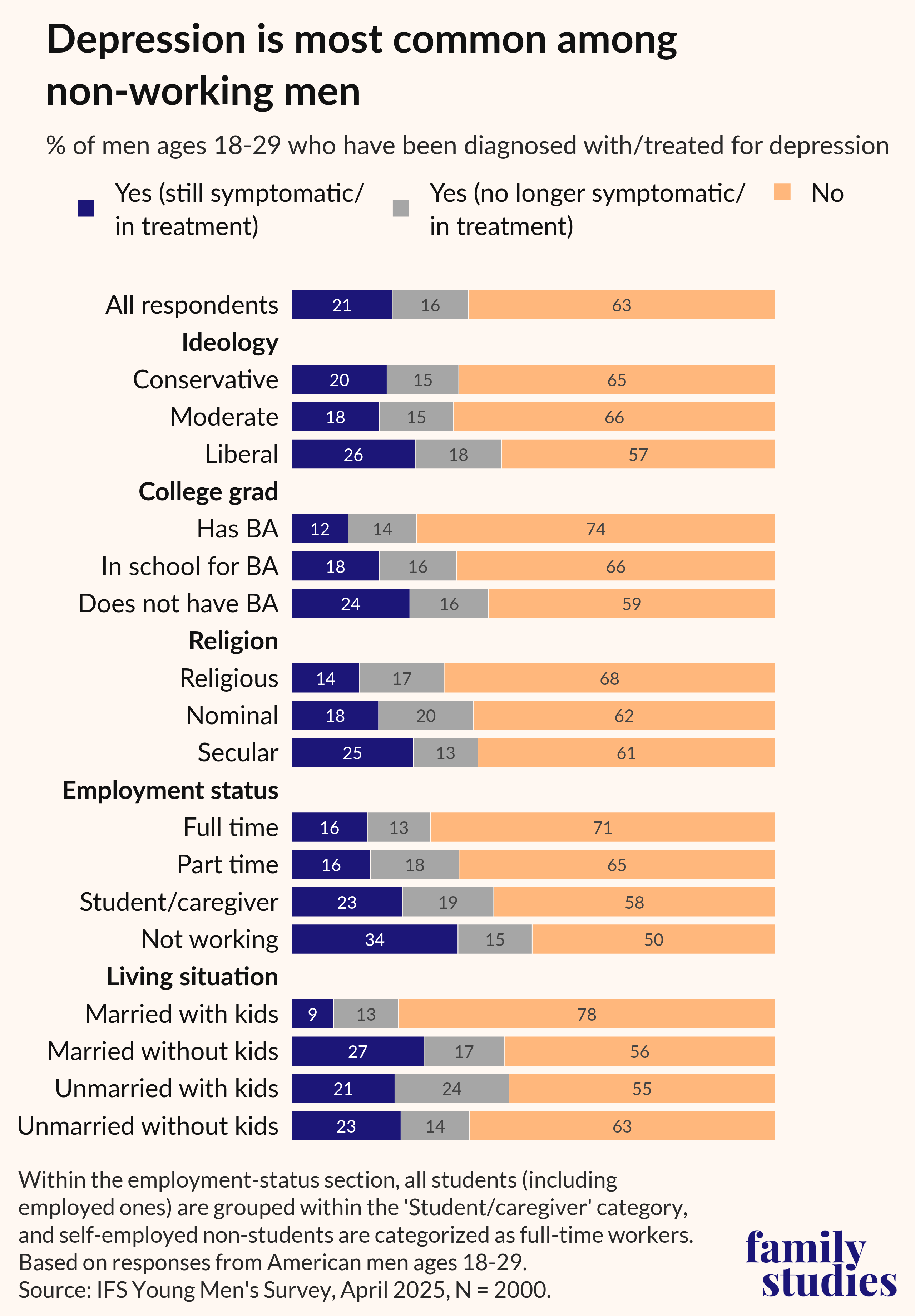
Figure 16. Percentage of men diagnosed with or being treated for depression, by various characteristics
Like so many areas of analysis in this report, no demographic is immune to mental health challenges, but certain groups are especially likely to report current symptoms or treatment. For example, 41% of respondents who are neither working nor in school are currently experiencing anxiety, depression, or bipolar disorder—about twice the rate (21%) of full-time-employed and self-employed respondents who are not in school. Religious respondents are less likely (20%) to report current symptoms or treatment for one of these three disorders than those who are nominal (30%) or secular (32%). In addition, married men with kids are around half as likely (16%) to have current anxiety, bipolar disorder, or depression as those who are married without kids (31%) and those who are unmarried without kids (31%). Finally, those with a BA are less likely (18%) to report one of these disorders than those who neither have, nor are pursuing, a college degree (32%).
Depression and anxiety affect a significant fraction of all respondents, testifying to the pathogenic circumstances under which young men are coming of age. Of course, survey data like ours can discover associations between variables, such as depression and not working; but we cannot determine whether depression is a cause of not working or perhaps a result. We do see that the unemployed (and not in school) are more likely to currently be experiencing depression (34%) or anxiety (32%) than those currently working full time (16% for depression; 15% for anxiety). At least for some, a mental health condition is almost certainly an obstacle to work.
It is also the case, as social psychologists have long demonstrated, that higher degrees of social integration, represented by practices like marriage, education, and attending services, can provide some protection from “depressive forces” and a buffer against stress and negative life events. We find, for instance, that those who regularly attend religious services, at 14%, appear to be at lower risk of depression than those who seldom or never do (25%). Similarly, those who are both married and have kids are less likely to be depressed than those in other living situations. More and deeper relationships and social investments provide a better socially and emotionally supportive environment.
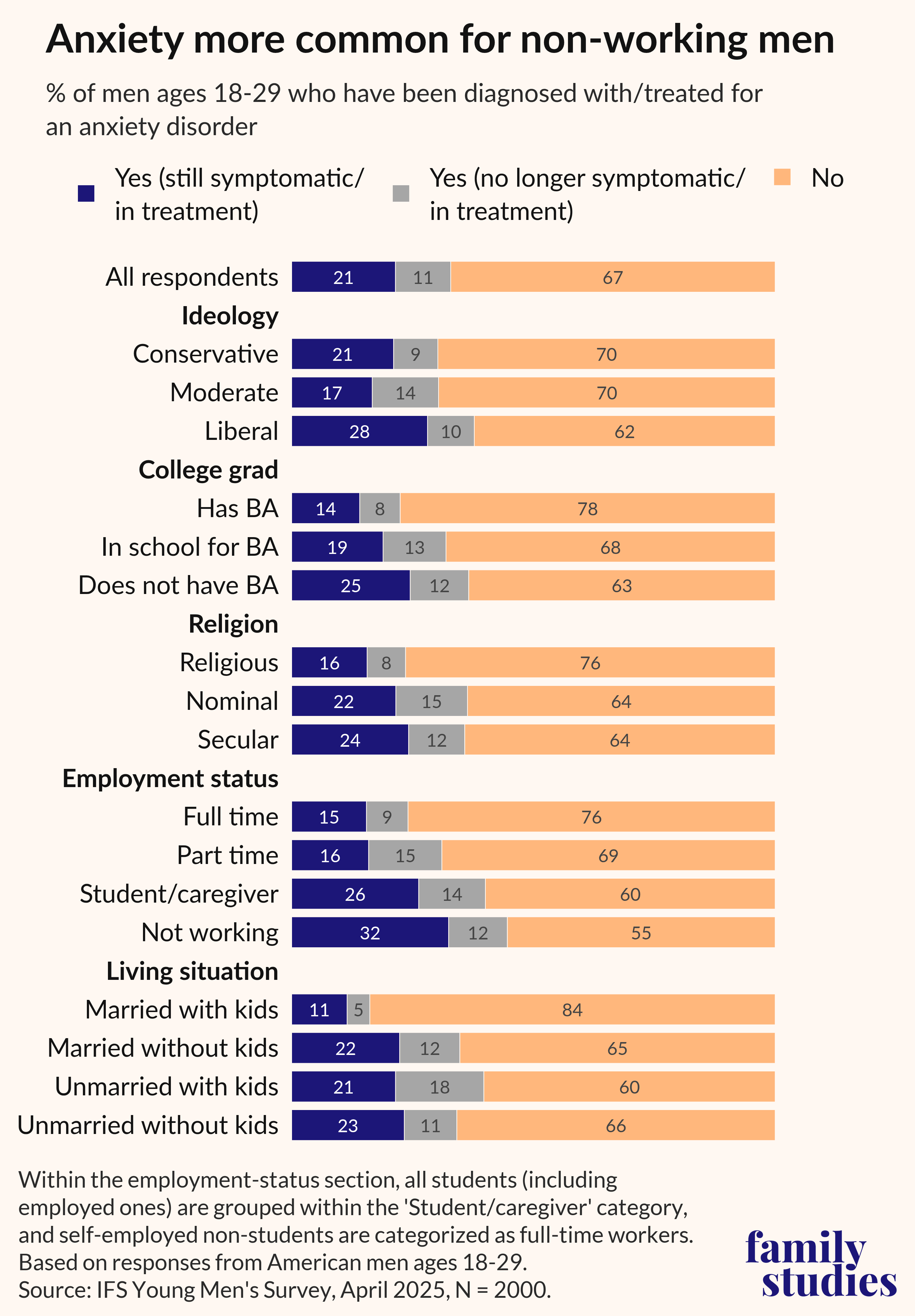
Figure 17. Percentage of men diagnosed with or being treated for anxiety, by various characteristics
Traumatic Experiences
In addition to the stressful circumstances discussed above, we also explored respondents’ experience of traumatic events that can have a negative effect on mental health. We presented five types of events, listed in the following figure, and asked if they had experienced any such event. An extraordinary 44% of young men report experiencing at least one of these stressful events. More than 1 in 4 (28%) say that a loved one of theirs has gone to prison. Roughly 1 in 5 (18%) have had a loved one die by drug overdose, and 1 in 6 (16%) have experienced the death of a loved one by suicide. Around 1 in 7 (14%) report knowing someone who died by homicide or witnessing someone be killed.
Perhaps even more significant, we also asked if respondents themselves had ever been incarcerated: 12% gave an affirmative response. (Another 59 respondents selected ‘prefer not to say,’ so this number could be even higher.)
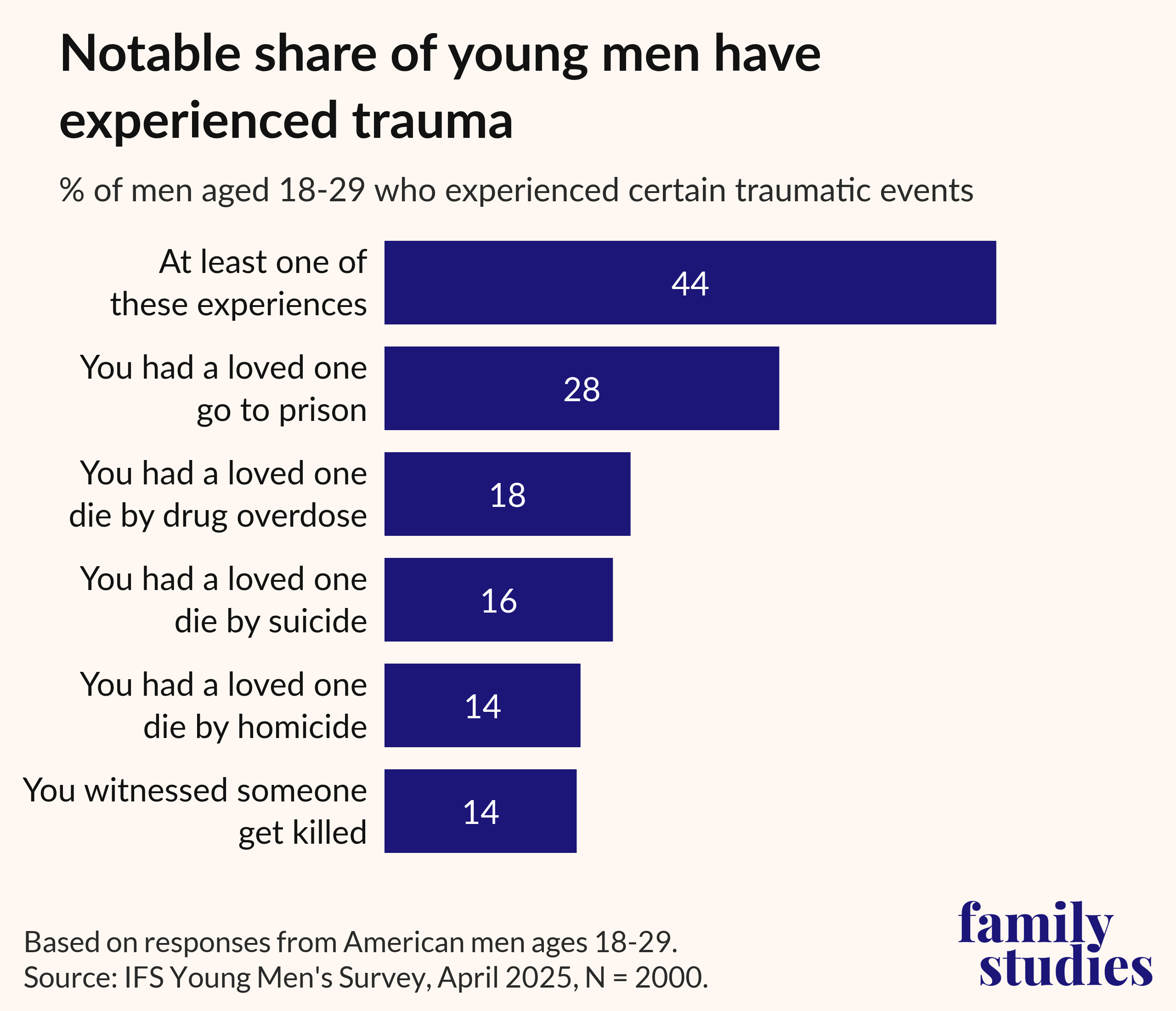
Figure 18. Percentage of men who have experienced various traumatic events
In the figure below, we can see a clear association between the experience of potentially traumatic events and various mental health and learning conditions. In every case, from depression to ADHD, those with traumatic experiences are more likely to say they have ever been diagnosed or treated with one of these conditions. In the case of bipolar disorder, they are more than three times as likely. In addition, whereas only 4% of men without a history of trauma report having been incarcerated, 22% of those with such a history do. Again, survey data like ours cannot establish causation. What they do show, and clearly, is that many young men have been exposed to painful experiences and stressful events. For some of these men, this exposure has had harmful consequences.
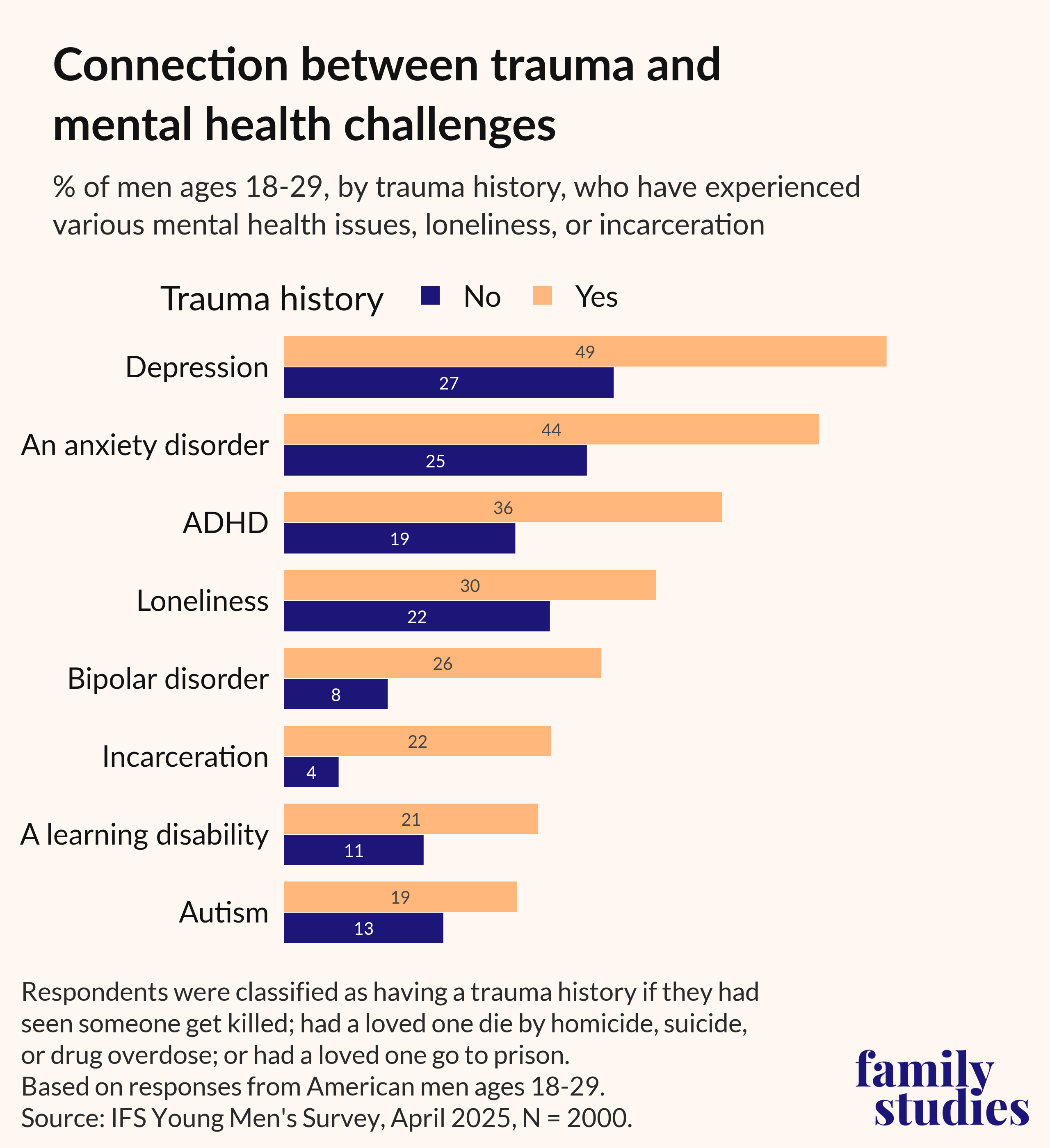
Figure 19. Percentage of men by trauma history who have experienced mental health issues, loneliness, or incarceration
Maladaptive Coping With Screentime
In addition to stressful circumstances and exposure to potentially traumatic events, we also asked about various, typically online activities. Of all the themes in the public discourse around young men, none have received as much coverage as their heavy screen use, and none have been portrayed as having more dire consequences. In gaming and on social media, many have argued, young men are being incited to drop out of society, adopt aggressive, even violent behavior, objectify women, and flout social norms. In Part I, Chapter 3, we briefly considered the potential influence of the “manosphere” and reported that young men in our survey appear to be less taken with it and its image of manhood than pundits claim. But those were the only questions we asked that related to media messages. While it is not our contention that such messages are inconsequential, we are of the view, with some research justification, that the amount of time that young men play video games or gamble or watch pornography is far more significant than social media consumption (where the great majority of influencers are women). With electronic media, we used our limited questions on screentime.
We come to this issue last because, in the interpretive scheme of this report, we place it among the responses to stressful circumstances. The predicament that young men find themselves in has been building for a long time. It did not emerge with electronic media but, as we have suggested, with more complex social changes that have made the world less stable and less certain, where the opportunity structure for men has changed dramatically, where goods like the American Dream, participation in a community, likelihood of marriage, and the work-reward nexus can no longer be taken for granted. A sense of isolation and alienation, and of having—as we put it in the survey—“little control over the things that happen to me” has followed on these changes. In this sense, the constant use of media is, in part, a coping mechanism against demoralization, but one that, as we will see, also contributes to it.
In the survey, we asked young men how often they engaged in any of eight activities, from using social media to streaming videos to trading on the stock market. The six-option response scale ranged from “almost constantly” to “about once a day” to “never.” In this report, we want to focus on four of the activities: using social media, gambling (including making bets on sports and other events, but not stocks), watching pornography, and playing video games. In terms of frequency, young men engage with each of these practices at very high rates—which, of course, overlap, as young people have many platforms and screens running at the same time. After considering the numbers, we will turn to an analysis of how the high rates of these practices correlate with negative outcomes, especially feeling lonely and like a failure.
Social Media Use
Social media use, the first concern, is nearly universal. Just 4% of young men say they do not use any platform. A majority (70%) are tuned in almost constantly (30%) or many times a day (40%), and in similar proportions across every demographic group, including the full-time employed, conservatives, married parents, and holders of college degrees. Although frequency varies somewhat, there is no social-media-free group of young men.
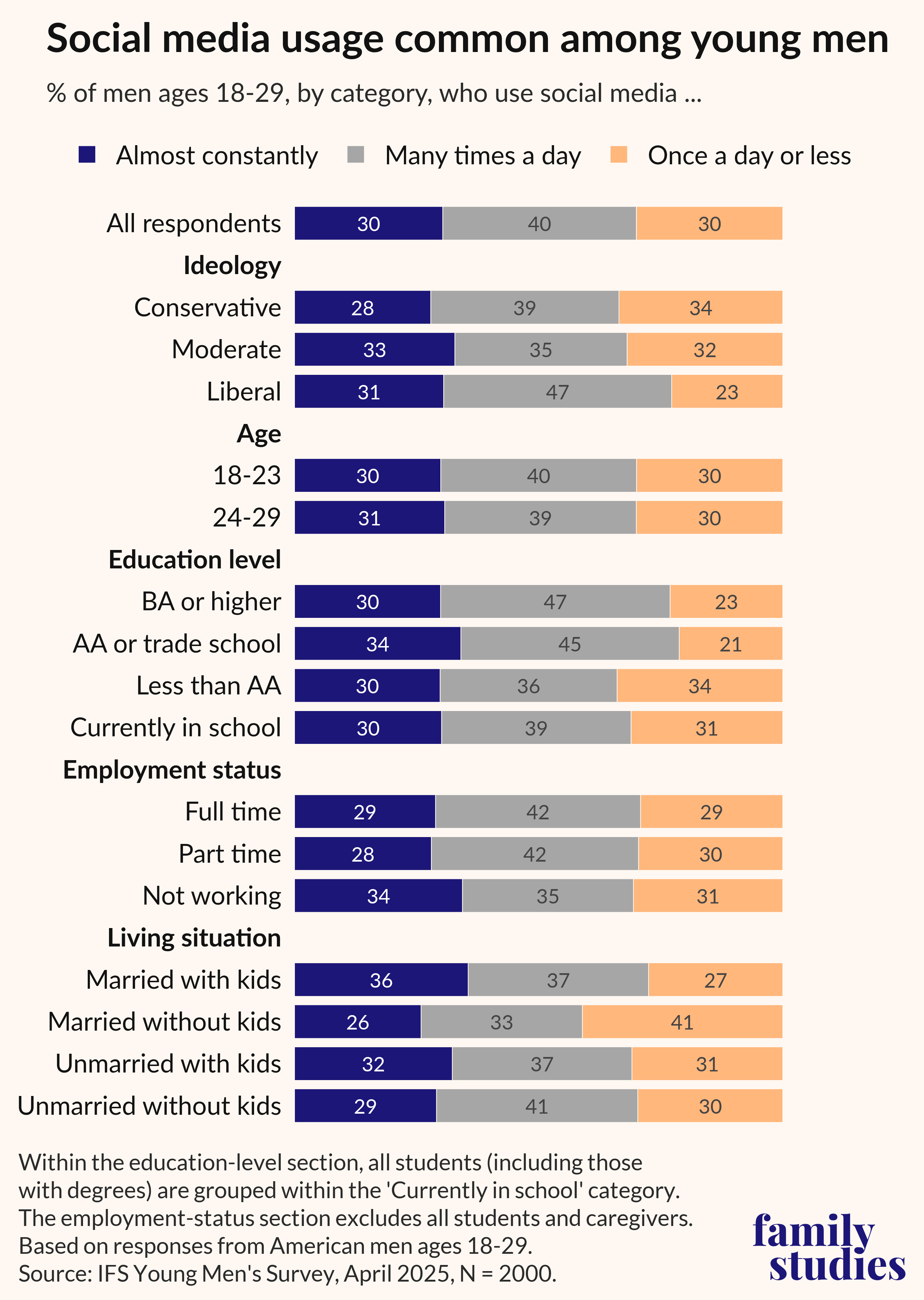
Figure 20. Percent of men who use social media by various characteristics
Gambling
Almost overnight, gambling, including sports and event betting, has become another fixture in the lives of young men. In fact, more than half of young men in our survey are now gamblers. Nearly 1 in 4 (23%) report that they gamble daily, plus 12% doing so more than several times a week, and a further 21% at least some of the time. As the figure below shows, conservatives (32%), those currently in school (34%), and unmarried men with children (39%) are the most frequent daily gamblers.
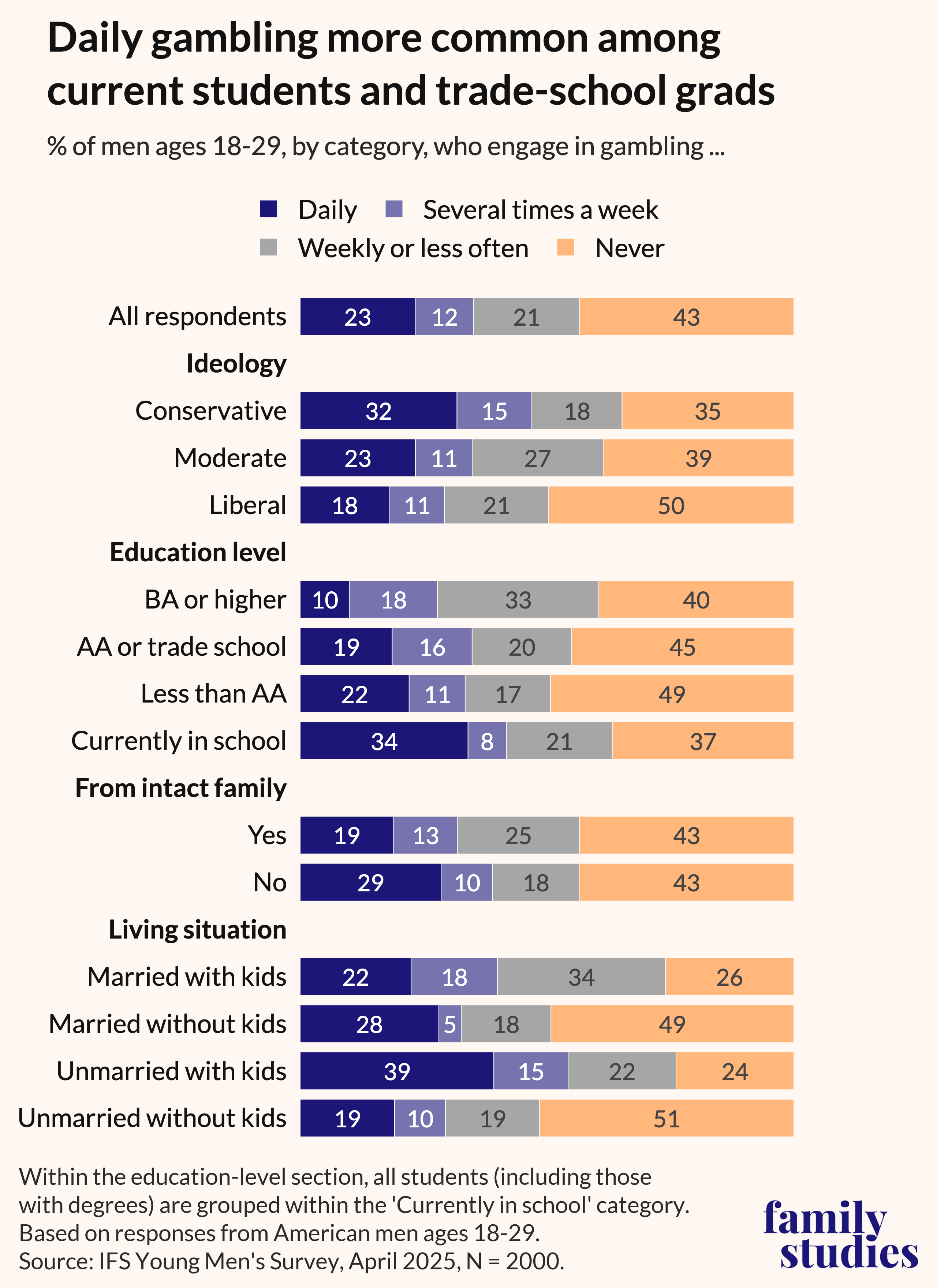
Figure 21. Percentage of men who gamble by various characteristics
Pornography Use
The prevalence of pornography use, the third concern, is well known and well documented. As the figure below shows, 43% of young men say they watch pornography daily (27%) or several times a week (16%), with another 26% about weekly or less. We might expect the daily watchers to be the most troubled, not in work or school, and living in their parents’ basement. While there is some truth to that, we also find daily use among married men (21%), the regular religious service attenders (24%), those who hold full-time jobs (23%), and those currently in school (32%). While 30% of young men say that they never watch pornography, they are not concentrated in any one demographic group.
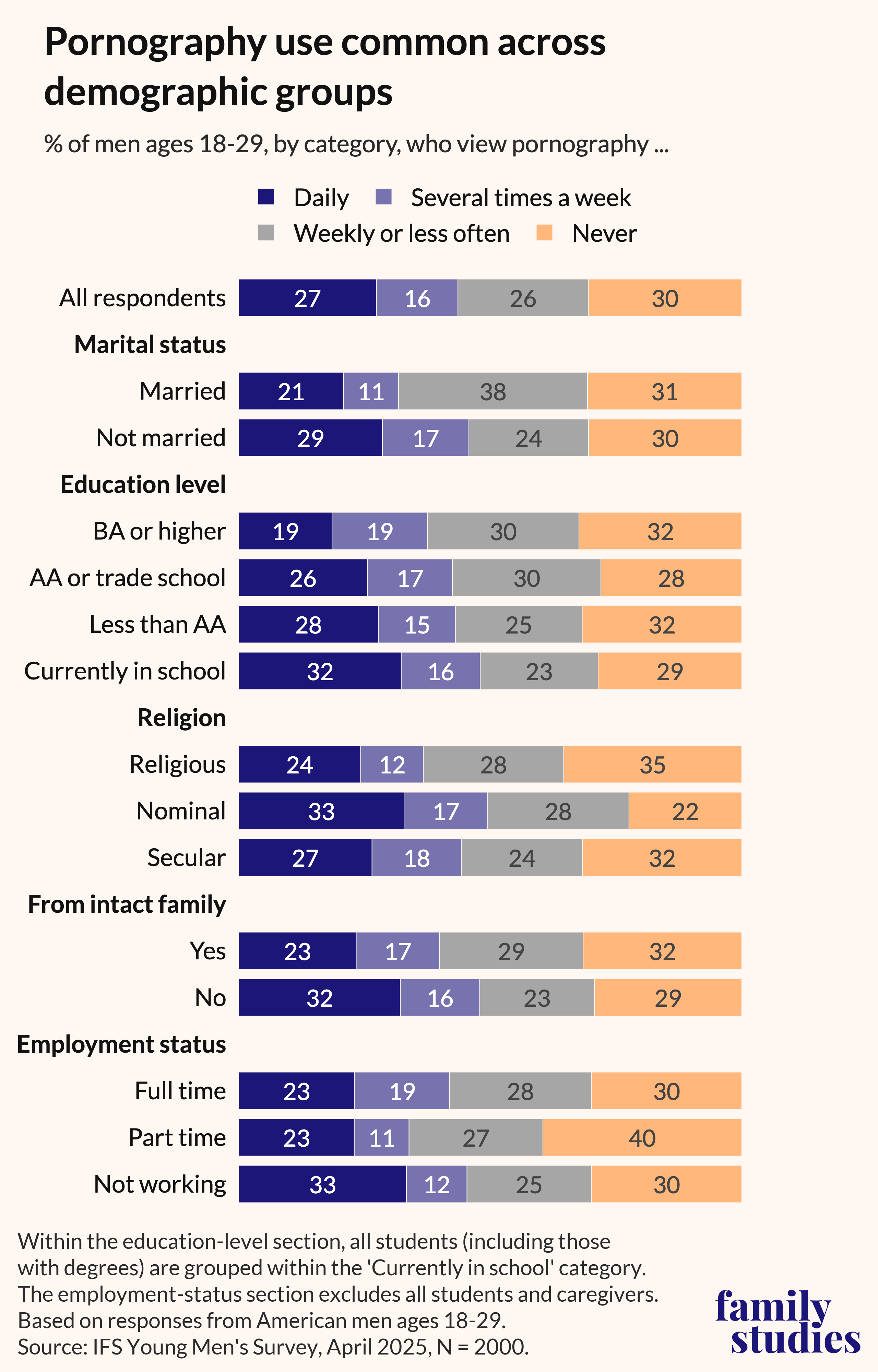
Figure 22. Percentage of men who use pornography by various characteristics
Video Games
Finally, we turn to gaming habits, which like the other three activities, have become a fundamental feature of the world of most young men. To simplify the next figure, we combined the six use options into four: “many times a day or more,” “daily,” “several times a week or less,” and “never.” Like social media, only a very small minority of young men, 5%, report “never” playing video games. An incredible 44% report playing many times a day or more, and another 22% report playing about “once a day.” Taken together, 66% are playing a video game at least once a day. There is some variation in daily users: younger men and those without a degree play more frequently.
To be clear, the issue here is not with a pleasant pastime, or occasional diversion, or a way to hang out with friends. Some use, of course, does fit that description. For example, we asked young men about the reasons they play video games. About 4 in 10 agree that “an opportunity to interact with others or make friends” is one of their reasons. Their playing is a source of camaraderie and collaboration, which, as we have seen, is often in short supply. A similar percentage agree that playing provides “an opportunity to feel a sense of mastery or accomplishment.” Again, this is the sort of experience that may be otherwise hard to come by. At the same time, nearly half agree that they play as “a way to temporarily escape real-life responsibilities,” and more than 25% as “a chance to be someone different.” These reasons are not all bad, but the escaping doesn’t look so temporary when virtually every free moment is dedicated to playing. The sheer extent of the gaming suggests a compulsion and a lack of freedom, not to mention the many other valuable activities that it obviously displaces.
The confinement is similar with social media, gambling, and the other screen activities that have come to absorb so much of young men’s daily life. Such constant activities are enervating, at odds with other valuable goods in life, including relationships, and yet another cause and effect of demoralization.
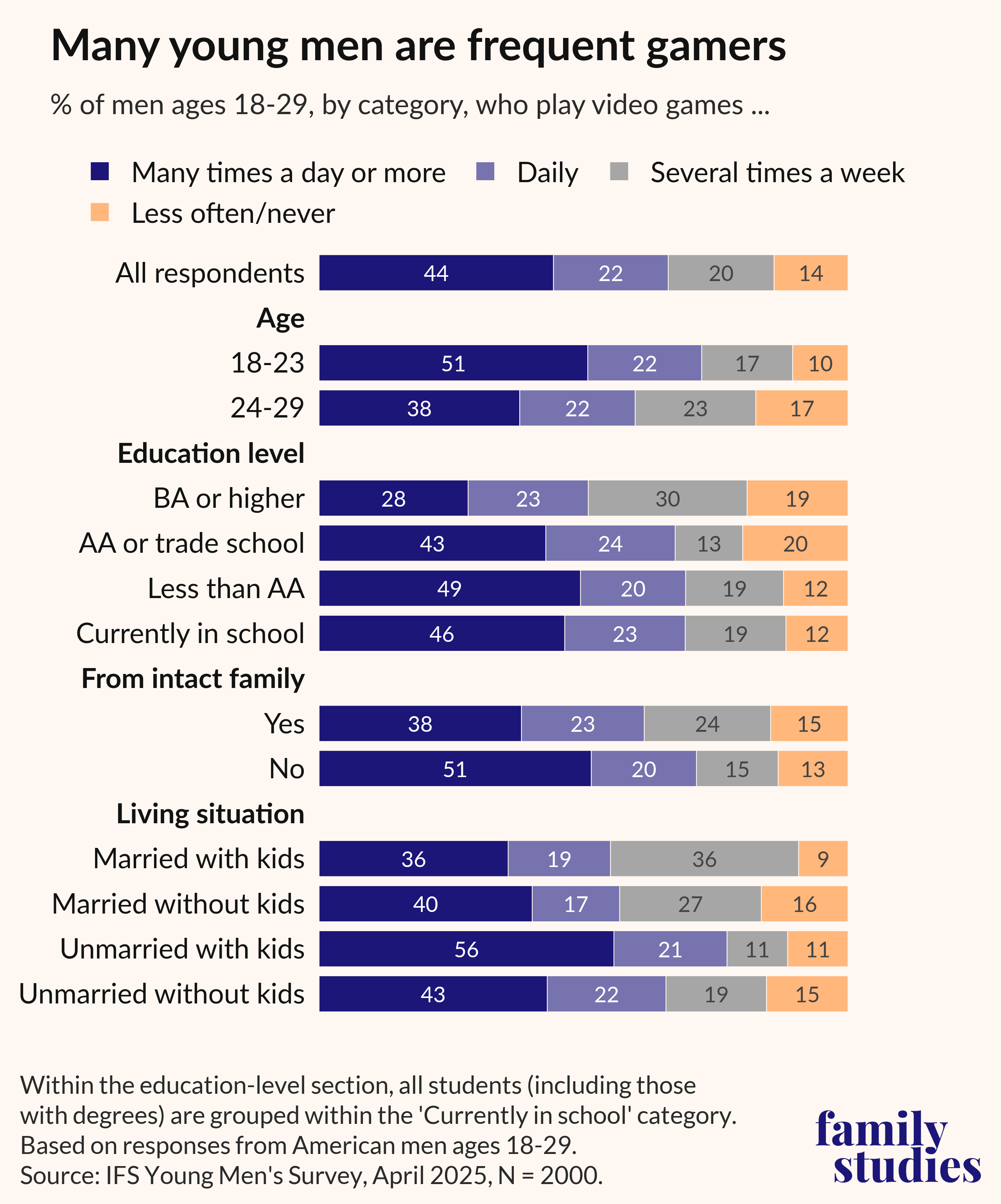
Figure 23. Percentage of men who play video games by various characteristics
Correlations with Distress
Turning now to the question of consequences. Earlier in this chapter, we reported that more than 4 in 10 young men (42%) believe that the statement “all in all, I am inclined to think that I am a failure” describes them “very well” (15%) or “somewhat well” (27%). As the next figure shows (which lists all eight of the screen activities we asked about), those who engage daily with social media and video games (which is nearly everyone) report feeling like a failure at about the same rate as those who engage less or never (or message/text or stream videos). However, those who view pornography (63%) and gamble (66%) every day—along with day trading and playing fantasy sports—are significantly more inclined to see themselves as a failure.
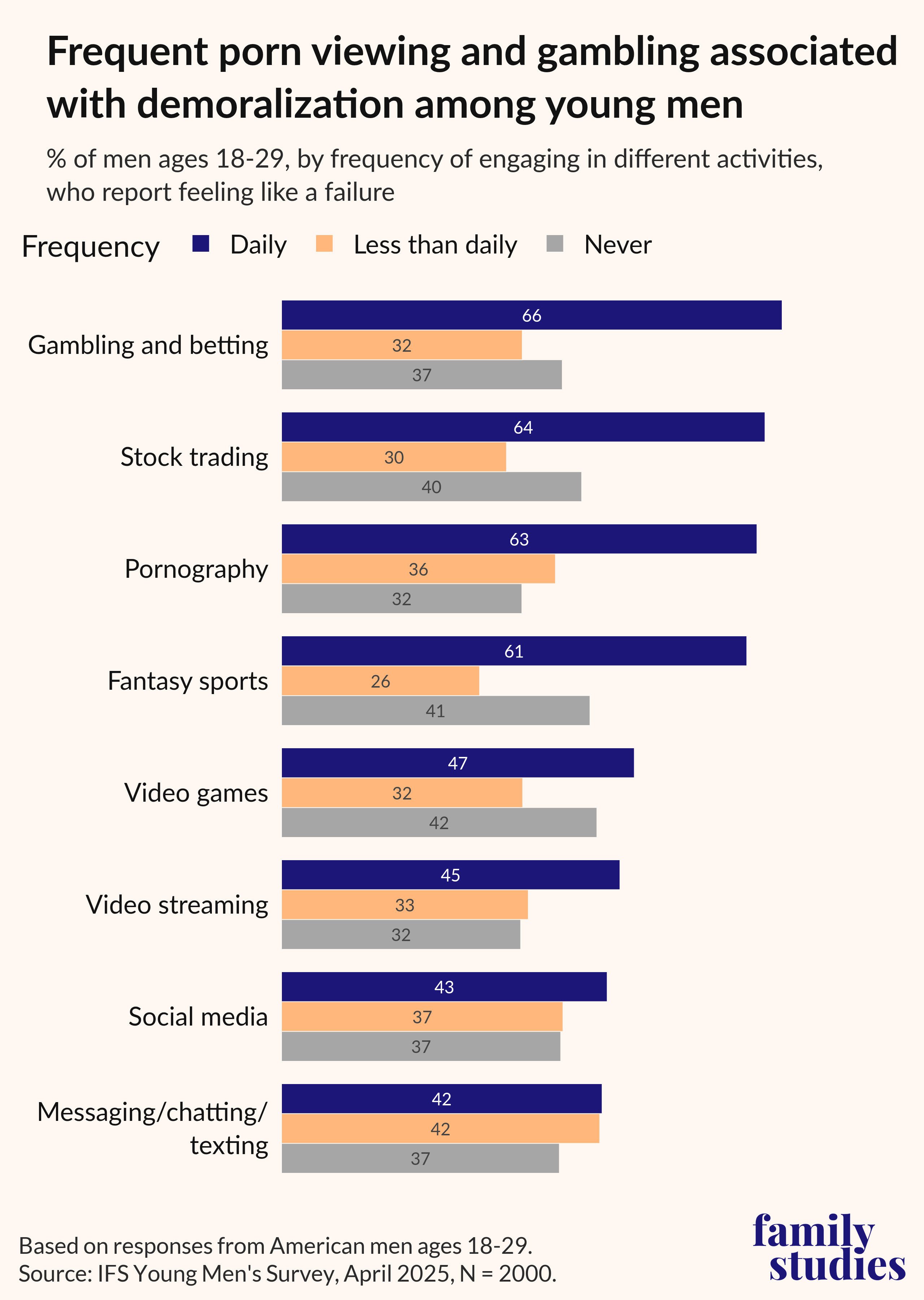
Figure 24. Percentage of men who feel like failures by frequent use of certain technology
We also found a correlation between high levels of these activities and reported loneliness. Respondents who gamble many times a day or “almost constantly” are more likely (34%) than those who gamble less often or never (24%) to feel lonely all, or most, of the time. With pornography, those who watch extensively (many times a day or almost constantly) are more likely than less frequent viewers to report loneliness (43% vs. 23%), as well as higher rates of anxiety and depression (see below). Those who play video games almost constantly report more loneliness than less frequent gamers (34% vs. 23%), as do constant users of social media (30% vs. 24%).
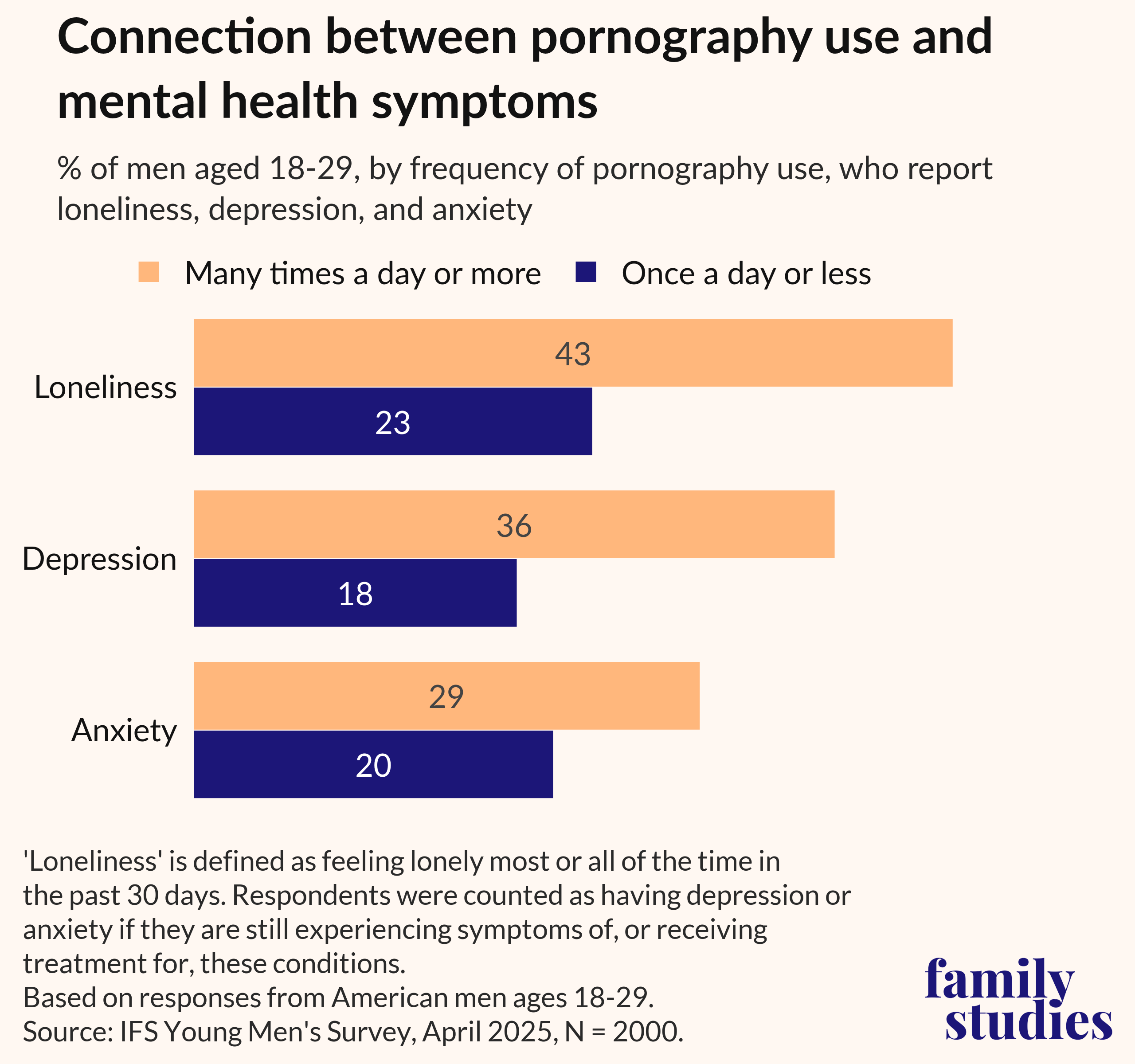
Figure 25. Percentage of men who experience various mental health issues by use of pornography
As in other cases, we cannot determine what comes first. Those who watch pornography many times a day or even more, report current depression at twice the rate as those who watch once a day or less. Does watching pornography lead to depression, or do the depressed turn to pornography for relief? The causal arrow may very well go in both directions. But in either case, watching pornography appears to be, at best, ineffective as a coping mechanism for dealing with dejection, stress, and loneliness, and more likely maladaptive.
Gambling and Self-Reported Problems
In the case of gambling, we asked young men for their own assessment of the effects that regular betting (several times a week or more) was having on their emotional health and everyday life. The first question asked to what degree online gambling might be causing emotional distress. As examples of distress, we listed mental pain or anguish, shame, guilt, and embarrassment, and the 5-point response scale was none, mild, moderate, severe, or extreme. The second question, with the same response scale, focused on how much personal trouble their gambling might be causing, such as with relationships or financial, legal, and employment issues.
Respondent’s answers strongly suggest that activities like gambling cause distress and create many problems of their own. For both questions, the responses were similar. (See the figure below.) Around 1 in 10 young men characterize gambling-related distress and life problems as severe or extreme. Another 29% consider them “moderate,” and a similar percentage as “mild.” Perhaps we can see why those who report gambling many times a week or more also report more loneliness. Clearly, gambling, for whatever reason they got involved, is taking a toll that young men themselves recognize and acknowledge.
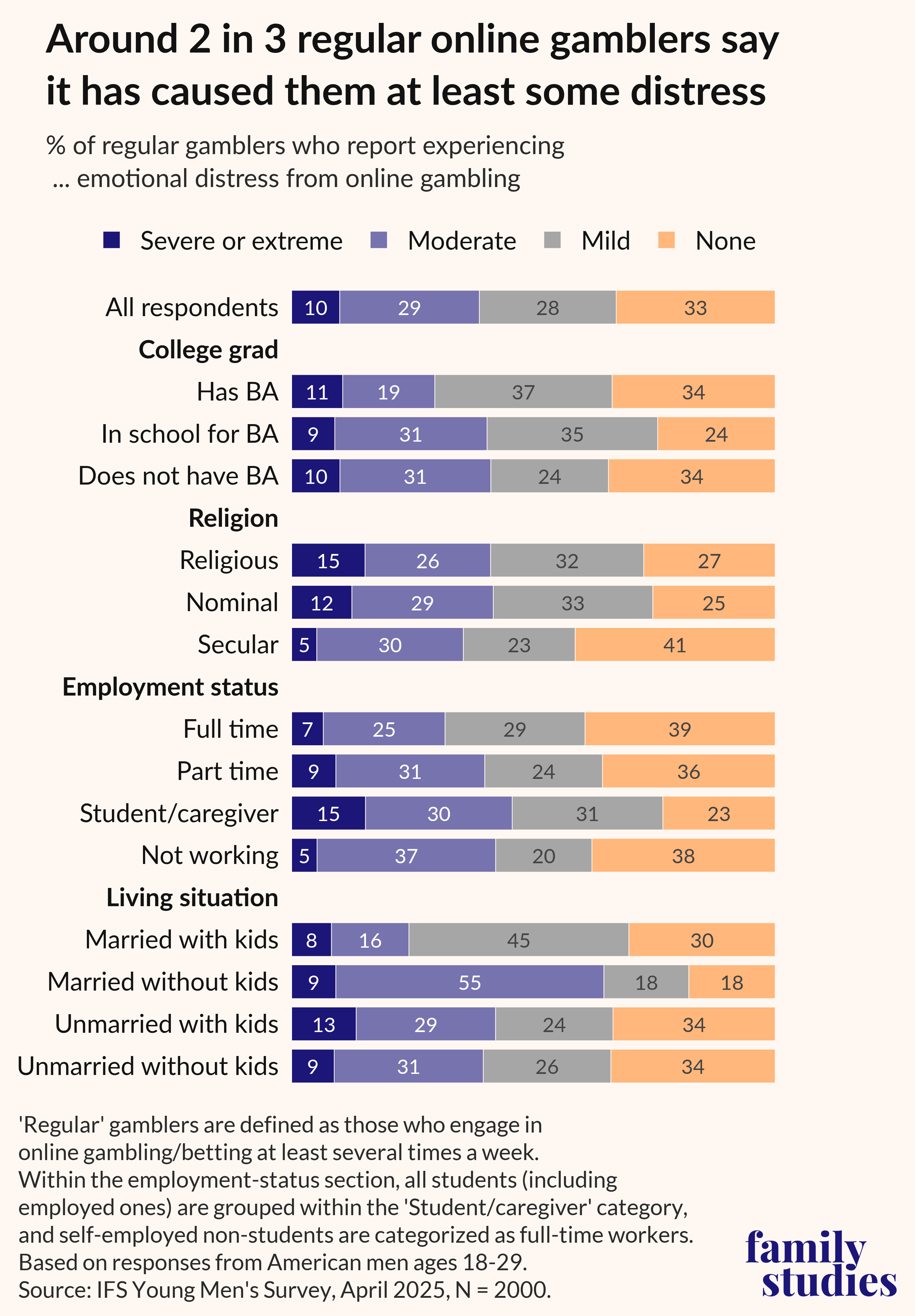
Figure 26. Percentage of men who gamble and experience distress, by various characteristics
With our survey, we set out to address subjects of public concern and asked young men, ages 18-29, a wide range of questions about their work, education, childhood, attitudes, aspirations, life experiences, social support, mental health, and electronic media use. In our exposition of their responses, we have sought to show significant correlations, provide some context for their answers, and offer some interpretation of what those answers mean. We turn now to a summary of what we have learned.
Conclusion: What Did We Learn?
In the introduction to Part I of this two-part report, we began with a brief description of the common “narrative” about the troubles facing young men. It goes like this: a growing number—too many—are failing in school, not working or studying, not dating or forming families, not leaving their childhood bedrooms. They are checked out from social life, have few, if any, friends, and belong to few, if any, social or civic groups. Their mental health is poor, their habits are bad—video games, pornography, gambling, pot-smoking—and their views are extremist. As commonly told, the dark story of their failures is, at least implicitly, set against a more successful comparison group, whether young women or older generations of men.
To explain the crisis—or perhaps better said, multiple, overlapping crises—we mentioned three of the common causal explanations. First, are the more “structural” accounts. In this view, economic and educational changes are the most important contributing factors to the dire circumstances of young men. Social scientist Richard Reeves, for example, highlights the structural changes in his book Of Boys and Men. He writes:
Boys are falling behind at school and college because the educational system is structured in ways that put them at a disadvantage. Men are struggling in the labor market because of an economic shift away from traditionally male jobs. And fathers are dislocated because the cultural role of family provider has been hollowed out.
In other words, the struggles of young men are symptoms of wider institutional and economic alterations, including detrimental school policies, the loss of traditional male jobs, such as in manufacturing, and the decline of working-class men’s wages. As much evidence shows, policies that changed the opportunity structure have been systematically disadvantageous to men.
A second explanation puts the onus of deficiencies in young men themselves. Most tellings of the “narrative,” at least implicitly, take this moralizing stance. In these critiques, the male malaise includes some combination of laziness, lack of motivation, aimlessness, and resignation. In his 2023 book Manhood, Missouri Senator Josh Hawley, for example, faults liberal ideology and its “disdain for masculinity” for creating the crisis, yet then holds young men accountable to solve it. As he writes, they can:
turn off their screens and reclaim responsibility for their lives; they can reject the Epicurean siren song of self-indulgence, that soothing lullaby that is really just a means of keeping men distracted and dependent; they can stop taking handouts; they can find a wife and start a family; they can, in sum, get their character in order and reclaim their independence as men. Or not.
In this view, men have allowed themselves to be led astray and something like a good kick in the pants is needed. Challenged to wake up and abandon their lethargy, young men can grow up and start doing their duty.
A third account of the crisis centers on the misguided socialization of men. According to one form of this explanation, young men’s problems arise from standards, taught to them from an early age, of toughness, self-sufficiency, competitiveness, and stoicism. In its 2023 “State of American Men” report, for instance, Equimundo: Center for Masculinities and Social Justice, argued:
Masculine norms such as these govern every aspect of men’s and boys’ lives and are woven into family life, schools, sports, and other community spaces. Such norms deprive young men of more caring alternatives, ways to confidently own their identity as caring, emotionally connected, cooperative people. Many feel totally disconnected and retreat to private lives of underachievement, underemployment, and online addiction—and to the pretense that they can go it alone. Some may find solace in misogyny and white supremacy.
“Traditional” gender roles are the culprit and need to be replaced with “healthy masculinities” (plural) that train boys/men to be more open, honest, emotionally vulnerable, and equity-seeking.
A conservative version of the socialization argument is that men have “no vision for what it is to be a man,” to quote Hawley again, are living without male role models, and trying to survive in a society that no longer prioritizes the masculine virtues.
While not exhaustive, these theories are frequently invoked, and we designed our survey, in part, with them in mind (and so we, too, deal more in problems than strengths). Considering what young men reported, we want to come back and briefly reflect on these explanations. A survey like ours—any survey—cannot provide causal explanations or settle complex questions. The contributing factors are multiple and explanations in terms of structural changes, individual deficiency, or socialization certainly offer some degree of insight into the predicament of young men. While our findings resist the “narrative” framing, it is not because the problems aren’t genuine; it is because the interpretations miss crucial features of the context, a context not of young men’s making.
In fact, none of the problems are in any way unique to young men. What makes these men stand out in specific areas is a somewhat more acute struggle than others. Loneliness and isolation, living with parents and delaying marriage, depression and anxiety, endless social media, pornography, and on-line gambling, work and money troubles, and all the rest afflict many young men, to be sure, but they afflict young women and older cohorts of men, if differently, as well. The most we can say is that depending on the issue, some are faring relatively better than others.
That said, our concern here is not with making comparisons to women or older men but with the very real challenges facing young men and with how our findings square with the “narrative” and the three primary explanations on offer.
Structural Change
Among the causal explanations, the structural argument is the one that finds the most support here by far. Though typically centered on education and employment, the loss of “structure” we discerned running through the survey responses also extends to wider issues. The social fabric itself has thinned, a deinstitutionalization, as sociologists call it, that has left our world more formless. Over time, there has been a sharp decline of prescribed roles, inherited life courses, clear occupational and educational trajectories, and the like. Where there was once a given social pattern, an “institution,” like sustained work for the same company, there is now a more open and indeterminate field of options and choices. A precarious freedom, with less guidance from shared beliefs, customs, rules, or forms of life.
We see what is lost by the importance of the college track, which remains (though under pressure) an institutionalized educational pathway. By nearly every metric, we find, men who took this route and stayed with it to graduation—college, trade school, apprenticeships—are faring the best. This benefit, incidentally, often does not appear while they were in college/training, which could be a lonely, distressing time. Rather, it came afterwards when it opened doors or widened horizons to stable employment, friendships, marital partners, household establishment, community affiliation, and much else. These are the men most likely to feel they have reached full adulthood, are not a failure, not unwanted, and have some control over what happens to them.
But the higher education pathway is not open to many men, including, as we find, for financial reasons, family responsibilities, or because they simply do not feel they will succeed. Conditions that affect learning for example, like ADHD, autism, and dyslexia, are common among young men (about 25% report a current issue). Trade school or an apprenticeship program is clearly an option and a good one (15% have completed a program, with high employment), but we know from other studies that schools heavily stress college-for-all and are only now beginning to reintroduce shop class and talk about alternatives. In most situations, any clearly defined non-college pathway or school-to-employer pipelines are missing. Young men, not on the college track, often step into a void after high school, bouncing around entry-level jobs, and may only discover a vocation, such as a trade, much later. While varying somewhat by industry, the average age of an apprentice in the U.S. is 29.
In the current economic environment, where work is now more fluid and uncertain, we find that the focus for many young men is not employment, per se, but a good income. There is a logic to this position. As those making structural arguments have long observed, real wages for young men have stagnated or declined in recent decades for such reasons as the offshoring of manufacturing, cheap migrant labor, and the steady elimination of private-sector labor unions. And the loss of male jobs has continued, accelerated by the pandemic. Other shifts have increased the volatility of the economy, such as the rise of unstable gig work, the disruption of new technologies, and now the looming threat of job loss due to AI.
This is not the old job market, and attitudes have changed. We find that many young men do not see a direct relationship between hard work and getting ahead. Rather, they appear to view things as more random, circumstantial, indeterminate, such that, for instance, success is a matter of who you know (72% agreement); what happens to me is not under my control (61%); the pressure to achieve just never ends (77%). Even half of college graduates doubt that their education was worth the time or money. Young men still retain a belief in their opportunities, yet how they expect to realize them might be better indicated by their extensive gambling and day-trading than by steady work in a 9-5 job. Even economists have taken to referring to the current situation as a “casino economy.”
The lack of institutionalized social forms affects young men in many other personal ways. For example, with the long-running decline of voluntary associations—churches, service clubs, adult sports leagues, and the like—and the instability of the family (only about 60% of our respondents had the consistent presence of his father), young men are thrown back on themselves to find and create relationships of commitment and friendship. We show that while most unmarried or unpartnered young men want to date, it is rough sailing. Many cannot find someone who will go out with them (reported by about 50%) and—witnessing to the more amorphous and fraught circumstances—are reluctant to ask a woman on a date, out of fear of being turned down.
Those without institutional connections, without some community or church or school, are in the grimmest circumstances in terms of friendship and social integration. How, we might ask, are these men to form such relationships, when, “historically,” to quote Sam Pressler and Soren Duggan, they “have been more the gifts of generational inheritance,” than the result of some go-getter initiative? They continue:
We inherit many overlapping webs of association … [and] the relationships we form through these shared associations—family, religion, community, place, or otherwise—beget new relationships and new associations. Contrary to the self-help ethos that pervades our society, relationships and community have never been solely individual choices to make nor individual responsibilities to develop.
On these points and much else, we find social formlessness to be like a raging storm in which many young men are struggling to find some secure foothold.
Individual Deficiency
The deficiency argument, if we can call it that, is not so much a causal explanation as it is a set of assumptions about young men’s state of mind. The idea is that young men, or at least a lot of them, are lost, apathetic, resentful, nihilistic, or other such adverse descriptors. They have become indifferent to the world around them, with little ambition, a tendency to blame others for their problems, and a desire to just be left alone. But when we asked young men themselves, we find nothing of the sort. In fact, most young men: have worthy goals, including for marriage, children, and financial independence; value a sense of belonging, warm relationships, and being well-respected; understand their role as men to be responsible and make sacrifices for others (greater than 85% agreement); and have ambitious goals for their future. And if they blame anyone, it is themselves.
We show that many young men are in a kind of liminal position. The twenties, of course, are an in-between time of life for most everyone, part of that period now commonly referred to as “emerging adulthood” and characterized by transition and ambiguity. But we have something more specific in mind. On the one hand, young men have a sense for what a full life might look like—admirable, rewarding, joined in purpose with a family, contributing, and belonging. They see the promise, and they have not given up hope for its realization. On the other hand, they are not yet living that life or even moving toward it, and this quandary is a source of stress and feelings of failure—the stress of being aware of falling short of their own goals and of the social expectations of others, of lacking friends and meaningful connections, of being subordinate to seemingly implacable conditions over which they have little control, and of not knowing what to do or how to extricate themselves.
These are demoralizing conditions. We are not using the word in any clinical sense, but in the psychiatric literature on demoralization, the type of conditions we find are described as highly conducive to anxiety and depression, which many men report, as well as another experience, namely, “becoming helpless.” While we did not have a direct question about feeling helpless, we did see substantial agreement (61%) with the statement, “I often feel that I have little control over the things that happen to me.” When we consider the extremes to which many are engaged with on-line activities, it is hard not to suspect a kind of paralysis that is impeding purposeful action.
As we discuss in Part II, frequent recourse to some of the on-line activities, including gambling and porn viewing, are associated with greater loneliness, depression, and feelings of failure, suggesting both an enervating effect of these activities and that young men are turning to them as a means of coping with the stress of their predicament. At a minimum, it seems safe to say that these activities are serving to fill voids in real-life experience, for challenges or achievement or dates, or are engaged with the hopes of escaping their present circumstances into a different reality, the fuller life they envision. And, in the one area we asked about, young men themselves report that their gambling is leading to emotional distress.
The point here is that speaking in terms of individual deficiency misses the changed context. Without situating their experience in the reality of their circumstances, we cannot see that their feelings and actions are, at least partly, a reply to it. Lacking that, their struggles appear to be about nothing, which, unsurprisingly, is met with little sympathy—they are lying on the bed they have made for themselves.
Socialization
To their credit, those advancing a socialization argument do engage with our changed social circumstances. They raise a fundamental question about masculinity. For present purposes, we want to set aside whatever truth claims are at issue. Instead, we want to treat the question as a way of asking what sort of “self,” if you will, young men need in order to flourish in the world as we find it now.
As noted above, in this complex and dynamic world, greater formlessness requires that individuals be more self-determining, with many more decisions to make and increased responsibility to define their own life purpose, create their own social bonds, and so on. The demand, for men and women, is to have a masterful self and the requisite abilities are to be assertive, confident, flexible, and enterprising on one side, while also being emotionally intelligent, sensitive, caring, and team-oriented, on the other. In the socialization arguments, the problem of young men is that they are missing one side or the other of this requisite self.
We find that a large majority of men (73%) believe that in recent decades it has become harder to know what it is to be a man. They may well be referring to the new combination of required qualities. It is not hard to imagine how getting it right might be a tricky business for many boys and young men today. However, the views of manhood they overwhelmingly affirm come down on both sides of the ledger. Manhood involves strength, responsibility and leadership, and it means a willingness to sacrifice for others. They affirm that no one should be coerced to fit any one model, and when asked about people they admire, the manosphere influencer Andrew Tate got low marks. Admittedly thin, nothing in our data suggests that lots of young men are under undue influence from bad characters or clinging to views of masculinity that could be legitimately described as “toxic.”
In fact, when it comes to those they looked up to as role models, first mothers (79%) and then fathers (69%) led the list by a wide margin. Considering the views of manhood that young men endorse, it is not readily apparent that they have “no vision for what it is to be a man,” to repeat the quote from Senator Hawley. It seems like they do, and perhaps not so different from the one he holds. There is no question that fathers play a key role in the lives of their sons (and daughters). We find that those young men who report a good or very good relationship with their father are also the most institutionally embedded. They are more likely to be married, for instance, to have education beyond high school, and to belong to a church. How this relates to claims about a lack of masculine role models, however, is not so clear.
The wider problem here is the required self, what one is expected to be. Never have young people been asked to shoulder such burdens of autonomous self-making. That some can thrive in this fluid, entrepreneurial environment does not mean everyone can or should be expected to. Withdrawing, feeling like a failure or “never enough,” to borrow a phrase common in the books about the different but no less pervasive struggles of young women, may not be a failure of manhood. It may be a symptom of our collective impoverishment, which asks of young men something that our society no longer can or will provide.
Editor's Note: For references, notes, and more, please download the full report below.