Introduction and Executive Summary
Young men are the subject of growing public attention. They are often described as languishing compared to earlier generations of men and young women, and both popular and academic writers have turned a bright light on their struggles. As commonly told, the story is one of crisis, combining negative social and economic data about their situation with disconcerting claims about what is happening among them.
Accounts of this crisis emphasize several troubling trends. Fewer young men go to college, for instance, and fewer of them come away with a degree. Just 41% of degrees are now awarded to men. Young men have higher rates of conditions such as ADHD and autism and have more problems with drugs, gambling, pornography, and the law. Many young men today have lower earnings and career prospects compared to earlier cohorts. They have fewer friends, socialize less, and are less civically engaged. Fewer are making a timely transition to adulthood by meeting such milestones as having a full-time job, being financially independent, living away from their parents’ home, and getting married and having children. As a March 2025 report by the UK’s Centre for Social Justice put it, “The deeper truth is that too many boys are growing up without the guidance, discipline, and purpose they need to thrive.”
These general trends have been well documented. In our new survey of young men—conducted by YouGov between April 7 and 15, 2025, with a representative sample of 2,000 men ages 18 to 29 living in the U.S.—we found them, too. But what do these trends mean? That’s the crucial question, and to offer an interpretation, we asked both how young men are doing at this time of their lives and why so many are facing the challenges they do. Of course, a lot of ink has already been spilled on this topic. The extensive commentary on the crisis has produced a variety of explanations. Here is a rough summary of three of the most common ones:
- Structural Changes. A sizable literature highlights the role of “structural” changes as the most important contributing factors. The struggles of young men are symptoms of wider economic and educational alterations, such as the off shoring of manufacturing and unfavorable school policies that have weakened the opportunity structure for men.
- Idle Young Men. Some accounts, making little reference to political economy, focus their explanations on deficiencies in young men themselves. Caught up in self-indulgence, a substantial number of young men have become resigned to idleness—addicted to screens and filling their hours with virtual distractions. Their failings reflect passivity, lack of ambition, poor work ethic, and a “purpose void.”
- Failed Socialization. Another school of interpretation centers on failed socialization. Brought up under the old, rigid masculinity norms, young men have not learned emotional openness or to express vulnerability. Now lonely and isolated, they have withdrawn into a kind of antagonistic reclusion and increasingly come under the sway of the “toxic masculinity” promoted in the online manosphere. From this poisoned well, many are imbibing resentment, nihilism, and misogynistic attitudes toward women.
While these arguments are not exhaustive, they represent some of the principal theories. When we designed our survey, these were some of the claims we sought to investigate.
We wanted to hear from young men on these matters. Perhaps indicative of their status now, their voice is often absent from this discussion. Others speak for them; but what do young men say? What does “coming of age” mean to them, or masculinity, or going to college? What are their goals and hopes? Who are their role models? What kinds of struggles have they faced, what obstacles do they see in their way, and with what attitude do they confront their future?
Major Findings
Given the length, we have broken this report into two parts. For Part I, here are some of the most important things we learned:
- The defining standards of adulthood have continued to change for young men. Once conventional benchmarks, like marriage and parenthood, long ago moved to the bottom of the list. But in the past two decades, the formerly central place of completing formal education has slipped as well, now considered extremely important by only 31% of young men, far below newer standards like being independent personally (51%) and financially (53%). And, although defined in individual terms, the feeling of having reached full adulthood is, paradoxically, highly correlated with the old benchmarks: being married and a parent, working full time, and completing college or trade school. Hence, even among men ages 24-29, less than half (41%) report “definitely” feeling like adults.
- Young men are having a hard time in matters of love—59% were not in a romantic relationship at the time of the survey. However, despite obstacles ranging from job instability to doubts about the availability of suitable partners, most men who are not in a relationship are open to dating (74%), most unmarried men desire marriage (68%, with another 21% unsure), and most childless men would like to be a parent in the future (62%).
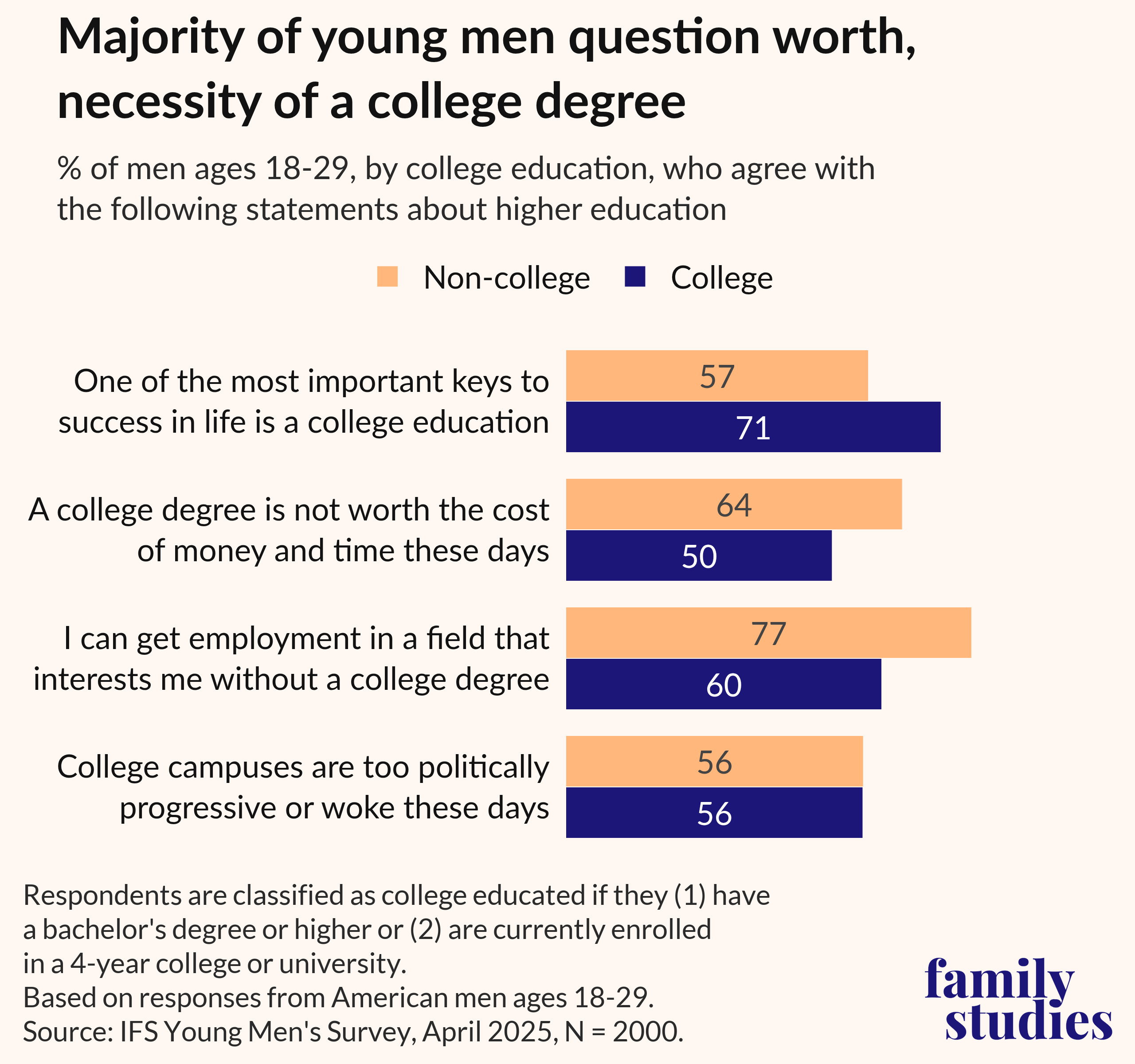
- Young men view college with a great deal of ambivalence. Young men who have not gone to college or dropped out before graduating are the most skeptical of its value. But even among young men who are attending college or have a degree, half either strongly (17%) or somewhat (34%) agree that college is not worth the time or money, and 60% either strongly (19%) or somewhat (41%) share the view that they could get a job that interests them without a college degree.
- Trade school/apprenticeship is a valuable path to adulthood for young men. While these skilled men are often overlooked entirely, we find that those without a bachelor’s degree who have completed such programs are employed full time or self-employed at rates (77%) very similar to those of college grads (80%). We also find that, compared to men without a bachelor’s degree who did not enroll in or finish trade school, young men who did are much more likely to be married. Moreover, these programs may be more accessible—or appealing—to young men with certain learning-related conditions. Those who have experienced autism, ADHD, or learning disabilities like dyslexia are about as likely to have graduated from a trade school or apprenticeship program as those without a history of these disorders. Meanwhile, four-year college graduation rates are much lower for men with learning-related conditions.
- Young men are not enthralled by on-line influencers as their role models. When we asked who they most looked up to as role models, mothers (79%) and fathers (69%) topped the list, followed by coaches and teachers (57%). Among prominent figures from the worlds of tech, politics, entertainment, and religion, the most admired role model was former president Barack Obama, whereas the least was online influencer Andrew Tate.
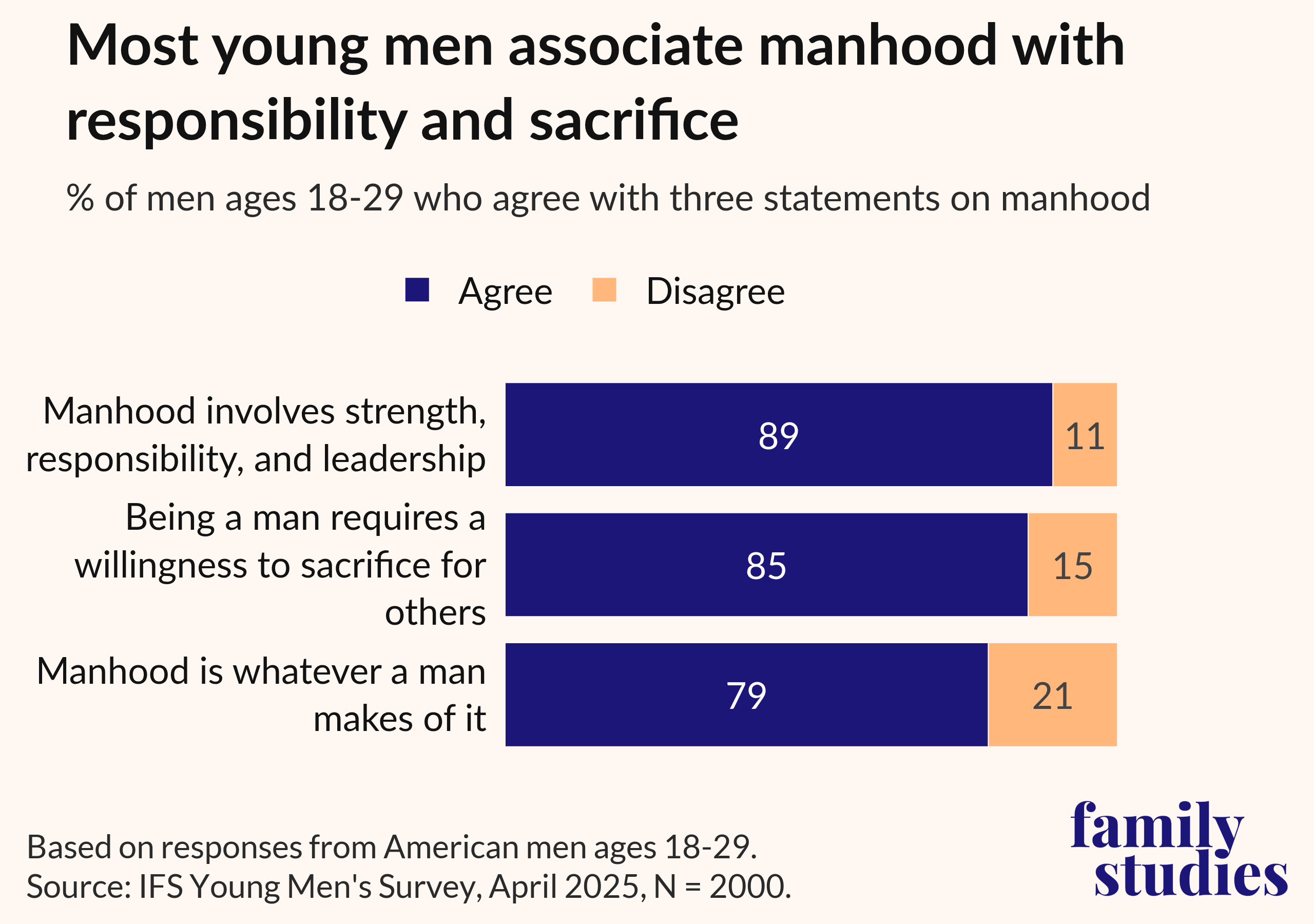
- Most young men say manhood is often viewed negatively in our society, but their understanding of masculinity is not the toxic masculinity of the manosphere. When asked if “being a man requires a willingness to sacrifice for others,” and whether “manhood involves strength, responsibility, and leadership,” 89% of young men endorse the first statement and 85% the second.
- Young men are not apathetic. Rather than easy accommodation to their circumstances, our findings suggest that young men’s hopes are being frustrated. For instance, they want a job that provides them with an adequate standard of living. When asked about their most significant challenge in life so far, many young men’s answers concern money and finding a good job. The same concerns play a role in some men’s hesitancy toward pursuing marriage. We find that young men care about their status, want to contribute, and are distressed by the gap between their current circumstances and what they really desire for their life.
There were many exceptions to these general statements. Young men are not all the same. Many are not in crisis but thriving, and some are struggling mightily in just the ways that certain critiques overgeneralize. But, in broad terms, these results hold true.
Why Demoralization?
For the survey, we took a question from the often-used Rosenberg Self-Esteem Scale, which asks respondents how well the following statement describes them: “All in all, I am inclined to think that I am a failure.” Nearly half (46%) of young men ages 18-23 say this represents their view of themselves at least somewhat well, while 38% of those ages 24-29 say the same. Only 32% of men ages 18-29 reject this characterization. As we will see, these numbers do not mean that young men have lost hope in themselves or their future. But the sense of being a failure is one measure of a more general—and frankly heartbreaking—demoralization.
As we analyzed the results of the survey, what stood out was not indifference or a lack of worthy aspirations but the trying circumstances facing today’s young men. Their ambiguous and socially marginal position is taking a heavy toll on them. Young men are not where they want to be, often feel trapped, and are unsure of what to do. At least in the near term, they are not optimistic that things will get much better.
About the Report
The Plan for this Report: This report differs substantially from our customary approach, which tends to focus on comparative outcomes by demographic variables. The purpose here was both more qualitative and interpretive. So, while we do include demographic data throughout this report, it is far from the primary emphasis and is used only to more sufficiently contextualize our findings. As noted, to maintain a reasonable length, we have broken this report into two parts. In Part I, we present three of the five chapters:
Chapter 1: Coming of Age
Chapter 2: What Young Men Want: Work and Education
Chapter 3: What Young Men Want: Marriage and Manhood
As an imminent follow up, we plan to release Part II of America’s Demoralized Men, which will cover:
Chapter 4: Social Connection
Chapter 5: Alienation and Distress
Conclusion: What We Have Learned
We hope readers will engage with this material with an open mind. Our survey cannot provide causal explanations for young men’s predicament or offer definitive remedies. Our role is not to challenge the views of our male respondents, or to offer recommendations to lawmakers aspiring to reverse failed policies or proffer new ones. But we do hope that in exploring young men’s views, we will contribute to a better understanding of them, their predicament, and the significant challenges they confront in their everyday lives.
Data and Methods: The Institute for Family Studies Gen-Z survey on men was conducted by YouGov between April 7 and 15, 2025, with a representative sample of 2,000 men, ages 18 to 29, living in the United States.
The respondents were matched to a sampling frame based on gender, age, race, and educa-tion. The sampling frame is an 18-29 year old subset of a politically representative "modeled frame" of US adults, based upon the American Community Survey (ACS) public use microdata file, public voter file records, the 2020 Current Population Survey (CPS) Voting and Registration supplements, the 2020 National Election Pool (NEP) exit poll, and the 2020 CES surveys, in-cluding demographics and 2020 presidential vote.
The matched cases were weighted using propensity scores derived from age, gender, race/ethnic-ity, education, and region, grouped into deciles and post-stratified. The characteristics of the final weighted sample mirror those of the general U.S. population of men ages 18 to 29. Lesbian, gay, bisexual and transgender (LGBT) adults are included but are not analyzed separately.
All estimates have been weighed to reflect the actual population.
Chapter 1: Coming of Age
“Growing up in general [h]as been challenging.”—Unmarried, age 19, attending community college
The young men we surveyed, ages 18-29, are in a phase of life that many social scientists now refer to as “early” or “emerging adulthood.” An unstable, in-between time, this phase is not adolescence but not quite full adulthood, either. Characteristics of this period typically include continued parental dependence, going to school, trying out jobs, moving frequently, experimenting with romantic relationships, exploring opportunities, delaying commitments, and so forth. Young people speak of it as both an exciting time of freedom and possibilities, and a very challenging age of trying to get established and come into their own.
The transition from childhood to adulthood has always been somewhat fraught. It is, after all, a change of social status and not simply a date on a calendar, such as the 18th or 21st birthday. To enact the transition, many societies throughout history have had formal rites of passage, especially for boys, that mark the break with one status and incorporation into another. Coming of age stories, which reflect on the many personal challenges of growth and maturity, have long been a major genre in literature, theatre, and film. In a distant echo of “failure to launch,” earlier generations of young people often lingered between these life stages as they struggled to accumulate the necessary resources to marry, set up a household, and start a family.
Today, as our survey indicates, the transition is immensely challenging. The defining criteria for adulthood have changed. They are now less tangible, less connected to roles of spouse or parent or even employee. The standards have become more subjective and ambiguous, and for this reason, along with educational and economic delays, they take longer to achieve. Consequently, when we asked young men if they felt they had reached adulthood, most are unsure whether they have fully arrived.
Changing Benchmarks of Adulthood
In an article published in 2004, the distinguished sociologist Frank Furstenberg and his colleagues observed a shift in the benchmarks of adulthood and the proper sequence to achieve them. Their analysis of the 2002 General Social Survey (GSS) found that the normative pattern that held sway in the 1950s and 1960s could no longer be taken for granted. Where once “most Americans viewed family roles and adult responsibilities as nearly synonymous,” most now saw them as detached.
In their article, Furstenberg, et al. presented the responses of all adults. For the sake of comparison with our findings, we reanalyzed the 2002 GSS data to separate out the views of young men ages 18-29. As shown in the figure below, in 2002, large shares of men ranked educational completion (65%), working full time (55%), financial independence (48%), and being able to support a family (48%) as extremely important hallmarks of adulthood. In contrast, only 13% and 9% said the same about getting married and having a child, respectively. For a large majority, the roles of spouse and parent had become life choices and were no longer regarded as necessary criteria.
In our 2025 survey, we asked young men the same question: What milestones did they consider important for defining adulthood? We drew one part of the list from the “markers of adulthood literature.” We consider those items below. The other part of the list repeated, in similar terms, the classic (socio-demographic) benchmarks used in the GSS.
In the following figure, we see that substantial percentages of young men continue to view financial independence from parents (53%) and being able to “provide for others” (39%) as extremely important benchmarks of adulthood. However, compared to 2002, much smaller shares of respondents regard educational completion (31%) and working full time (34%) as extremely important. Since financial self-sufficiency remains central to these men, the revised assessments of education and work, which are also found in other research, suggest changes in the nature of the labor market.
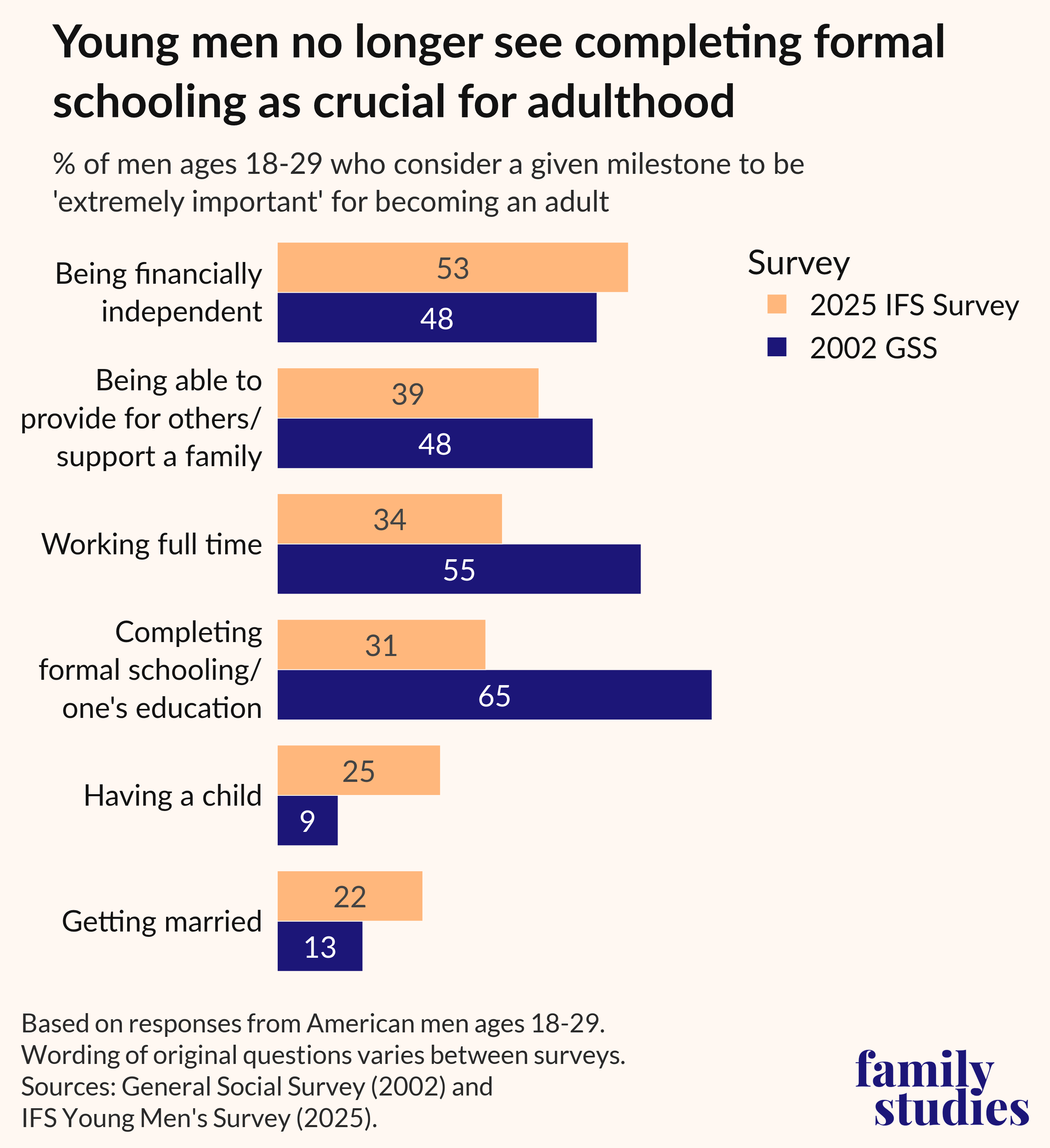
Figure 1. Percentage of men who consider a given milestone to be “extremely important” for becoming an adult, 2002 and 2025
Thinking in terms of the overall pattern, the biggest shift since 2002 is in the relative position of completing formal education, which was then the top marker. This shift may reflect men’s changing evaluation of the value of a college education. As we discuss further below, young men, whether they have attended college or not, are unsure if college is worth the costly investment or the necessary gateway to a desirable career. Another factor may be the increased demands to regularly update skills for new opportunities or completely retool for a change of field. Education, formal or otherwise, is more a continuing process than something you finish, once and for all.
Working “full time” once referred to a position that an employee settled into for an extended period. Now, with the continued decline of career trajectories and long-term positions, the rise of the gig economy (multiple short-term or part-time jobs), the growth of “fractural employment” (splitting time among multiple enterprises or projects), and other developments like the “fissured workplace” (wherein corporations have shifted from employing full-time staff to subcontracting out operations), this is far less often the case. For young people, work is more fluid now.
In both the 2002 GSS and our 2025 survey, getting married and having children are the least likely to be called “extremely important” by young men. Like Furstenberg et al., we find that attaining these roles is no longer a primary defining characteristic of adulthood for most young men. In our survey, just 22% and 25%, respectively, rate them as extremely important benchmarks. Researchers have observed that once young adults take on social roles, like spouse and parent, they are more likely to incorporate these into their conception of adulthood.
Our survey corroborates this dynamic, with markedly more married respondents (38%) saying that “getting married” is an extremely important marker of adulthood compared to unmarried men (19%); and parents (41%) endorsing “having children” at a much higher rate than nonparents (18%).
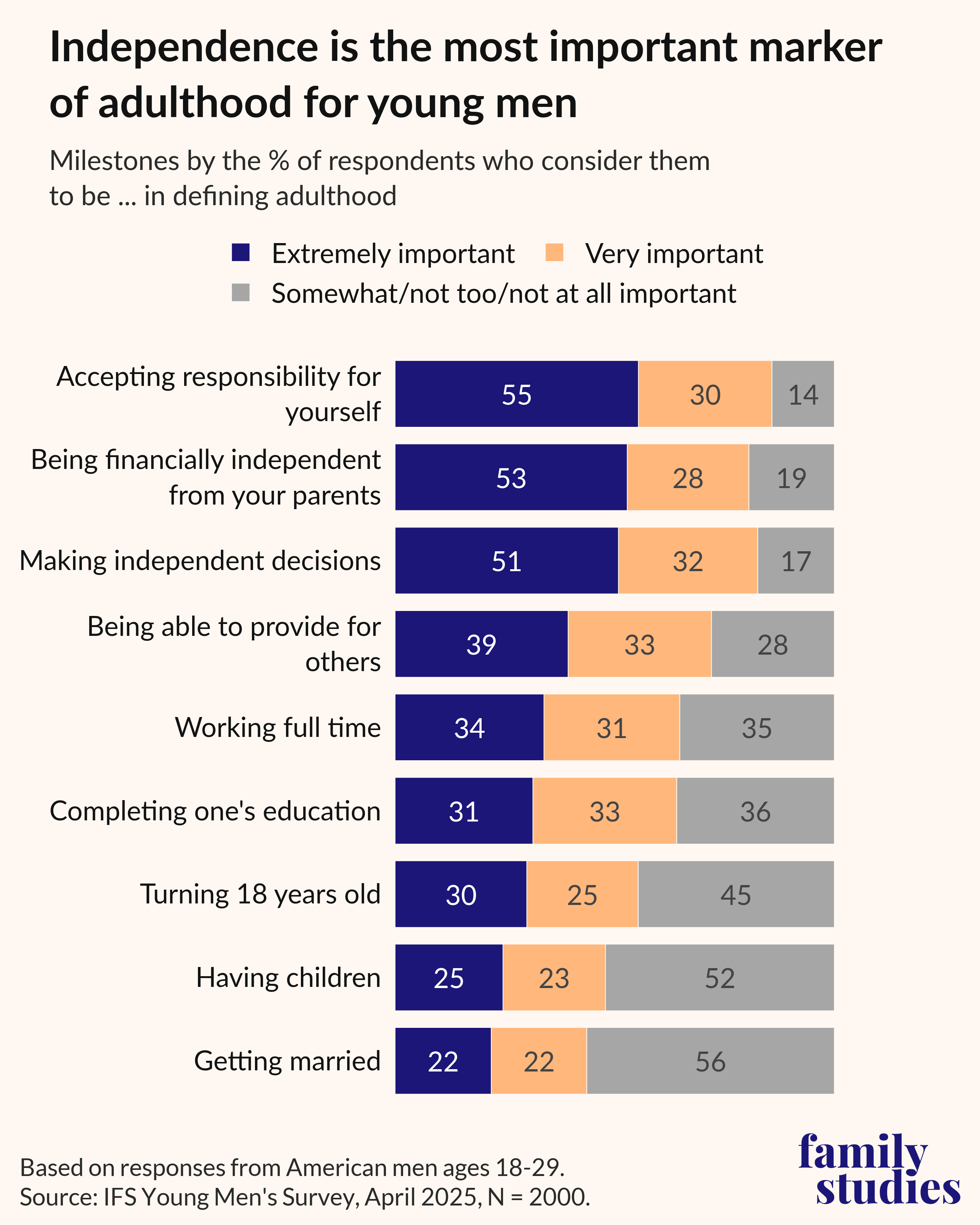
Figure 2. Milestones by the percentage of respondents who consider them to be extremely important, very important, somewhat/not too/not at all important
Psychological Benchmarks
In addition to the classic sociodemographic benchmarks, our list included two standards commonly used in the markers of adulthood literature: “accepting responsibility for yourself” and “making independent decisions.” As shown in the previous figure, 55% and 51% of young men, respectively, rate these as “extremely important”—making them the first and third-most-likely criteria in our survey to receive this rating. Less than 20% of our respondents, by contrast, view these two items as somewhat, not too, or not at all important.
Our findings suggest that, as the meaning of adulthood has shifted away from tangible social roles like spouse, parent, and employee, it has become more subjective, with hazier boundaries. Other surveys of the meaning of growing up have also found a more psychological orientation. In a recent British study, by Megan Wright and Sophie von Stumm of York University, for instance, 79% of young adult men and women, 18-29, place high definitional importance on “Accepting responsibility for the consequences of your actions,” and 80% on “Making my own choices without having to rely on others.” Although the wording in our study is not identical, the numbers are very close to those of our young male respondents. “Research shows,” according to the authors, citing a long list of example studies, “that adults today define adulthood through psychological characteristics rather than by socio-demographic milestones.”
A significant shift has taken place in response to new realities, and, as we also find, with important consequences.
Launch Timing
There is no question that young people are reaching the classical benchmarks later. But this change needs some context. In the figure below, we present Census and American Community Survey data to show how employment, marriage, and parenthood trends have changed for young men since 1910. We use the longer time period because it shows how marriage and parenthood rates were also lower for young men prior to the Baby Boom years, though not as low as they are now. Most of the evidence for the familiar “failure to launch” critiques, leveled repeatedly over the past 20 years, come from figures like this one. Unfortunately, they only start with the peak year of 1960.
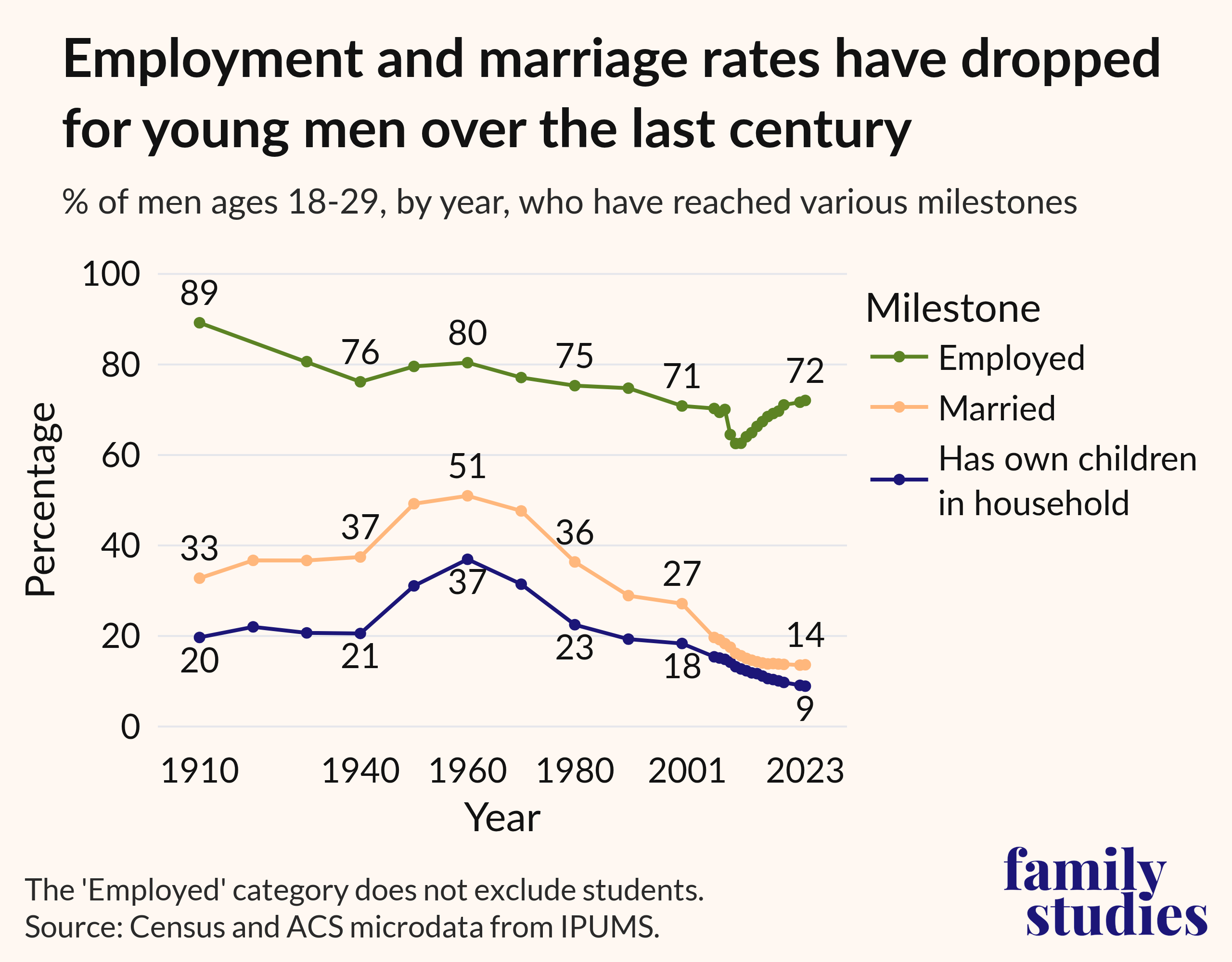
Figure 3. Percentage of men, ages 18-29, who have reached various milestones
These critiques take for granted the old benchmarks, the old idea of “settling down,” and the old norm that career, marriage or coupling, and (perhaps) parenthood should follow in quick succession by roughly the mid to late 20s. They fault young men (though usually not young women) for flunking the test of growing up. Unable or unwilling to meet the standards, young men are “pre-adults,” in a state of “arrested development,” suffering from Peter Pan Syndrome, and in a memorable phrase from England, KIPPERS: “kids in parents’ pockets eroding retirement savings.”
Granted, achieving the marriage and childbearing rates of the 1950s and 1960s was a serious cultural accomplishment, one that we would be extremely fortunate to have sustained. But we must also recognize that in the precarious social and normative world young people are navigating today, a deemphasis on role transitions would seem inescapable. After all, from a young age, they have heard a cultural message of emancipation from the old constraints of social roles and forms of life. Now, their future is open, and they can be whatever they want to be and live however they choose. There is seemingly no stigma attached to delaying family formation or choosing to remain unmarried and not have children. Their parents do not stress these things. Adulthood, as they know, has lost its traditional structure.
Today, young people live under a new mandate. Their charge is to use their freedom to construct their own individualized occupational and life trajectories. Compared to the relative security of the old normative pattern, this self-defining task introduces a great deal of contingency, an uncertainty that is typically interpreted in a positive way. Now young people have a space to explore options and realize more of their potential. In an evolving and unpredictable environment like ours, the key norms are to remain open to change, flexible, free of entanglements, and confident that the twists and turns in circumstances can be negotiated successfully in one’s favor.
Though framed in terms of freedom, the mandate to build an individualized biography is not an option. Under our late modern conditions of autonomy, to quote the British sociologist Anthony Giddens, “we have no choice but to choose how to be and how to act.” The conventional life-courses marked by clear signposts and predictable transitions have largely disappeared. Without pregiven pathways, there for the taking, young people must choose a purpose, figure out the means to best realize their goals, and formulate an adult identity for themselves. And they must do so in a highly volatile economic environment.
Given this challenging self-development task, it is little wonder that young men, as we show in this report, conceptualize adulthood in more psychological terms. Internal and individualistic milestones are seemingly more meaningful and more attainable because they are under more direct personal control.
But achieving adulthood also takes longer now because the new, more psychological benchmarks are inherently subjective and incremental. Whether one is “accepting responsibility for yourself,” or “making independent decisions,” is a question of degrees of maturity and self-reliance. This demanding task implies an ongoing process of personal growth and development, a process harder to establish with certainty. The effect is to suspend more young men in an “emerging” status for a lengthier period.
Are You an Adult Yet?
After questioning what factors are important to defining adulthood, we asked young men about their own sense of where they stood: “Do you feel you have reached full adulthood, or not?” Respondents chose between four possible responses: 1) “yes, definitely”; 2) “yes, mostly”; 3) “no, not so much”; and 4) “no, not at all.” Only 5% of young men in our survey feel they have “not at all” reached full adulthood, while 31%, report “definitely” feeling like they have. The most common response is somewhere in-between, ranging from “not so much” (24%) to “mostly” (40%) a full adult.
As we would expect, greater adult feeling is associated with older chronological age. For instance, as the following figure shows, young men ages 24-29 are twice as likely (41%) as those 18-23 (20%) to feel they have “definitely” attained adulthood. And the younger group (39%) is twice as likely as the older group (19%) to respond “not so much” or “not at all” to the question of whether they have become an adult. This in-between feeling is particularly common among young men in school and those with a high school education or less. They are no longer children under parental supervision, and yet often still rely on their families for financial and other forms of support.
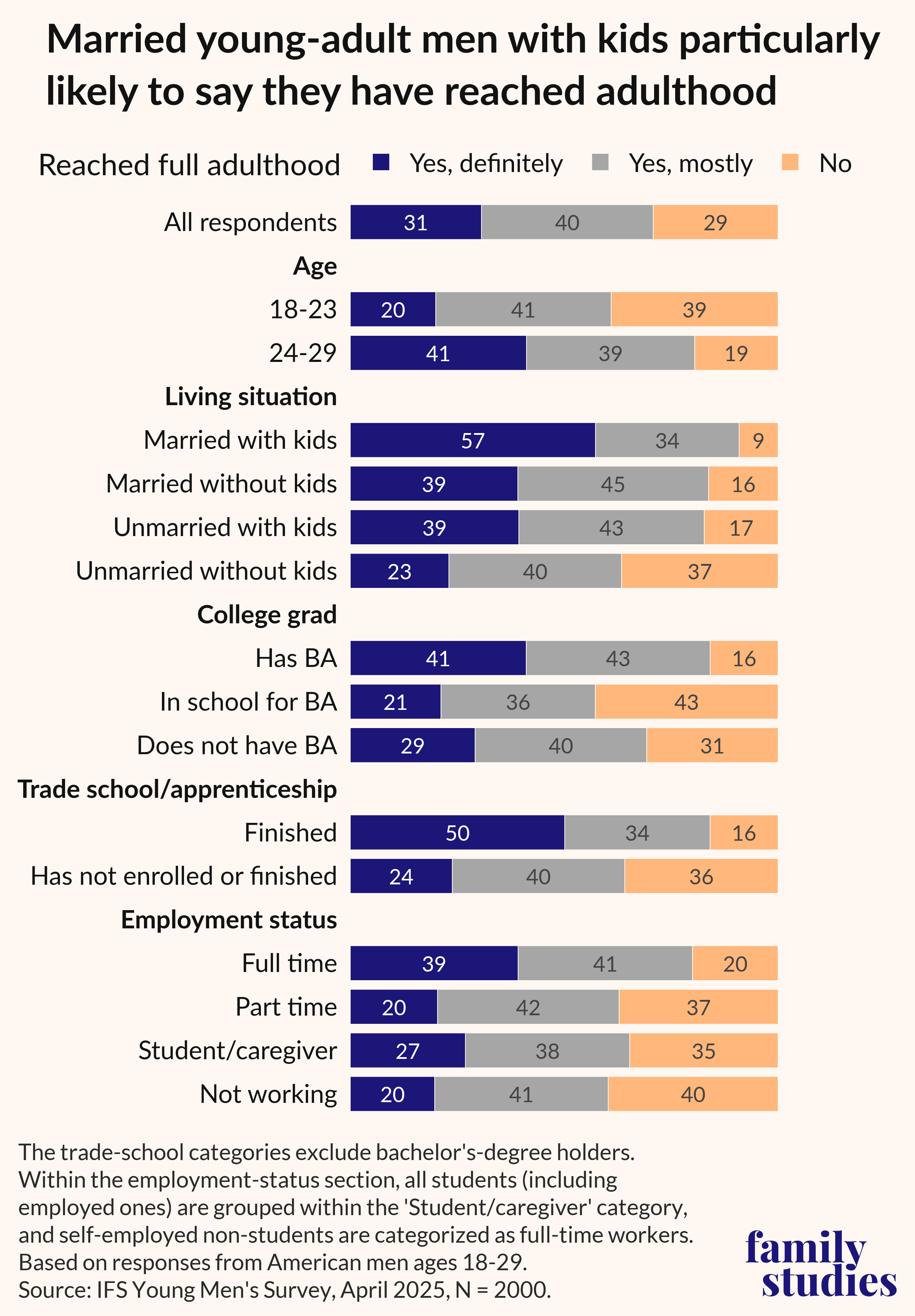
Figure 4. Percentage of young men who say they have reached full adulthood, by various characteristics
When we consider additional characteristics that might influence subjective adult status, we find a striking and, at first glance, paradoxical pattern. Young men define adulthood in internal, psychological terms, such as “accepting responsibility for yourself,” and place far less importance on the socio-demographic milestones, like marriage and parenthood. But when it came to judging whether they have reached adulthood, the old benchmarks take center stage.
Feeling definitely like an adult is highly associated with being married and a parent. As with age, we see a doubling—with married young men (54%) being twice as likely as unmarried (26%) men, and parents (47%) being twice as likely as those without children (24%), to feel that they have definitely reached full adulthood. Only 23% of unmarried respondents without kids feel this way; a much larger portion of this group (37%) say that they do not yet feel like adults.
We also find that respondents who are neither in school nor caregivers are more likely to report definitely reaching adulthood—if they are working full time (as opposed to being unemployed or working part-time). Similarly, those who attend religious services more than once a month are more likely to make this assertion than those who attend less than once a year, if at all. Finally, among men without a BA, those who have completed a trade school or apprenticeship program are more likely to feel like an adult than those who have neither completed such a program, nor enrolled in one.
These findings might suggest that the gap we find between the weak position of classical benchmarks in the definition of adulthood and the strong position in the subjective experience of feeling like an adult represents a contradiction. Young men do not consider socio-demographic group memberships, like marriage, parenthood, and full-time employment, as key defining characteristics of adulthood, yet they perceive themselves as adults when they belong to these very groups. Their self-perception of adult status, in other words, appears to be based on different criteria than the ones they use to define adulthood.
There is, however, a more straightforward interpretation. First, to reiterate, for young people, the key definitional criteria are more nebulous and individualistic than the old milestones. They see adulthood, like other aspects of their identity, as an autobiographical production achieved through their life choices and experiences. It is a process of growth and adaptation that does not depend on objective markers perceived to be anachronistic under current conditions.
But when it comes to feeling like an adult, it is not hard to see that social recognition must play a part. The more psychological benchmarks, like making independent decisions, cannot be directly stated as matters of fact; they must be demonstrated by some action, which can be frustratingly hard to do. Compare that to the status of being a parent. Every institution that parents interact with, from the doctor’s office to the preschool, will typically relate to them as adults. Those without children, by contrast, cannot receive this form of social validation. Similarly, acknowledgement of adult status at a young age is more likely to be extended to the married than the single, and to those in full-time employment than those in part-time work or still in school. These statuses denote, in themselves, adult commitment and responsibility, both to others and to oneself.
Put differently, adulthood involves social mutuality. Despite what young people might have been led to believe, they cannot simply claim adulthood for themselves by individual decision or self-perception; it must also be socially conferred. And, while the new conditions of life promote an individualistic path to adulthood, there remain social norms and expectations about what constitutes adult attitudes and behavior and about the proper timing of role transitions. This is why we get critiques like “failure to launch” to begin with.
Adult Status and Well-Being
Young men, then, confront a double challenge. On the one hand, they must build an individualized life course in an unpredictable social and economic environment that favors adaptability and keeping one’s options open. On the other hand, they are often trying to carry out this task without the anchor and social validation of relatively clear roles and expectations. Unsure of their status, they struggle with an ambiguity and in-betweenness that, we find, exacts a toll on their well-being. Young men who are not working, for example, and those still living with their parents, report higher levels of distress. While things may go better in the future, our findings suggest that the lack of structure for the transition works against them.
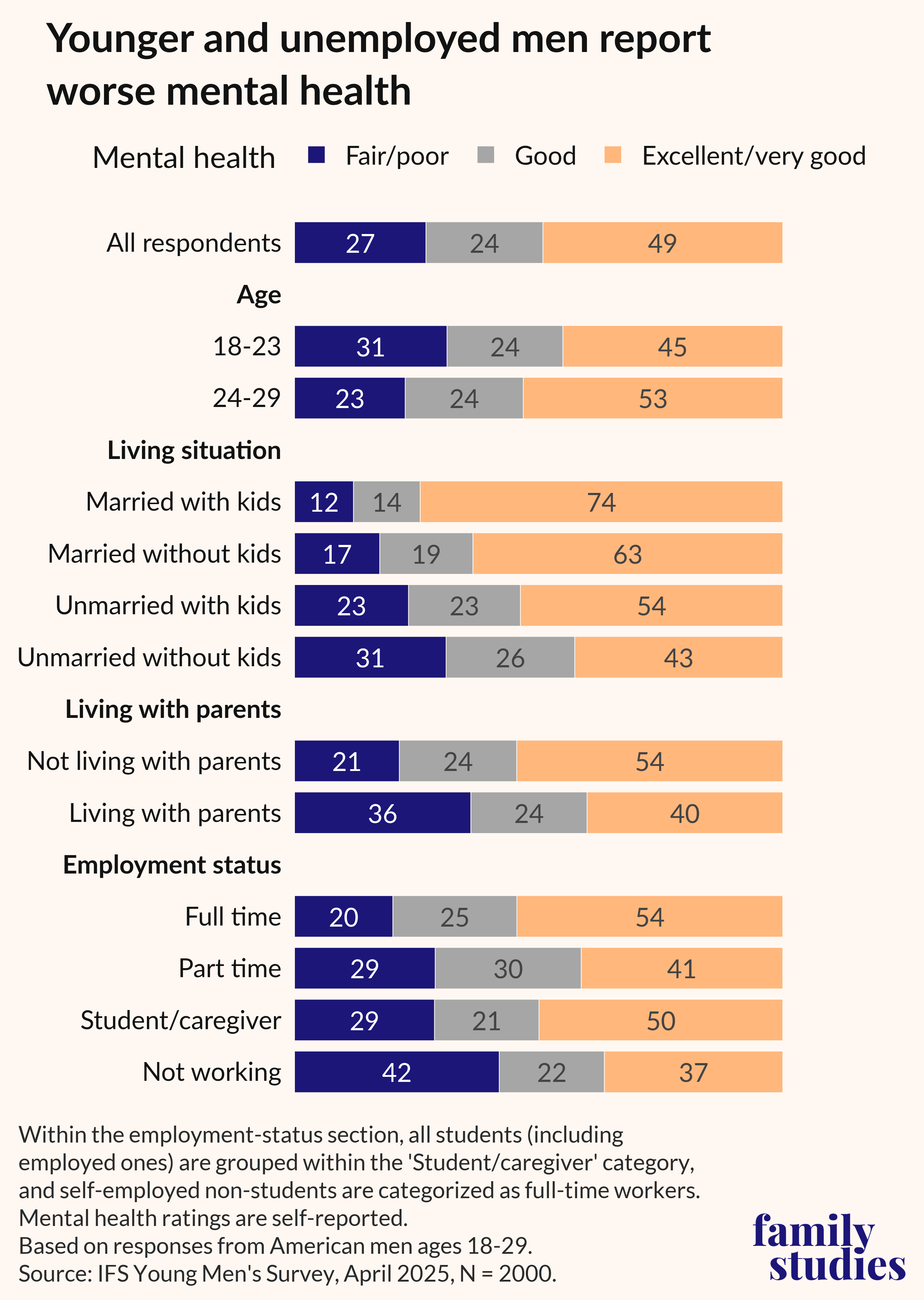
Figure 5. Percentage of young men reporting mental health status, by various characteristics
We will return to the question of everyday struggles in the second installment of this report. Next, we consider what young men want. In sociological studies, one of the most clearly documented sources of distress is the inability to attain valued goals, especially those that offer coherence and purpose to life. To appreciate the struggles, we must grasp something of the goals.
Chapter 2: What Young Men Want—Work and Education
“Figuring out what to do with my life.”—In a relationship, age 28, living with a partner
Asking young men what they want does not, of course, yield a single answer. There is a tremendous diversity of background and experience, personality, and inclination. These differences are consequential, shaping not only variation in aspirations and desires but the very sense of what is possible. Before considering commonalities that we found, it is useful to review a few examples of this diversity.
Take challenges, for example. At the end of each survey, we asked young men: “What is the most significant challenge you’ve faced so far?” The question was open-ended, without response categories provided. Among the 2,000 respondents, some indicate no significant personal trials or decline to disclose one. A few offer comic answers, like “finding a good Bourbon at a reasonable price,” but many specifically mention surmounting hard obstacles, ranging from “getting through college,” “getting my PhD,” and “discovering my true identity,” to “getting over my pill addiction,” or “getting out of homelessness and quitting alcohol,” and recovering from cancer.
Most, however, mention issues that are matters of continuing struggle: employment and financial pressures, mental disorders, the death of parents, romantic breakups, and more. A number speak of “getting my life back on track after incarceration.” In our sample, 12% of young men indicate that they had been incarcerated in a jail, prison, or other correctional facility. (Surveys like ours do not include people in institutions, so the large number of young men who are currently imprisoned are not represented here.) A number speak of working to overcome “the challenge of homelessness,” or of “having to live in a homeless shelter with my family,” and of poverty while growing up. In our sample, 9% of young men characterize the financial situation of their childhood home as “very poor, not enough to get by.” In short, although we find some central tendencies in the interview responses, not everyone wants the same thing or has the same chance to realize their vision.
A Good Job
Young men, we find, want a job that provides them with an adequate standard of living. This might seem obvious. As shown in Chapter 1, over two-thirds of young men view financial independence from parents and being able to provide for others as either “extremely” or “very” important for becoming an adult. While a smaller majority regard educational completion and working full time in the same way, this may reflect the changed meaning of these benchmarks in the labor market circumstances that young men face today. Marriage and parenthood are regarded more as life choices than obligatory, but—as we shall see—remain a goal for most, one that is typically premised on achieving financial independence.
In the popular writing about young men, much has been said about their declining labor force participation rate and the growing numbers who are essentially idle—neither going to school nor holding a job. The implication is that there is a substantial number of young men who, for whatever reason, have no ambition or desire to earn a living wage. As shown in the following figure, Census and ACS data indicate that the percentage of men who are in the labor force has decreased somewhat since 1960. However, while some young men in our survey fit this profile, this is not a sizable group.
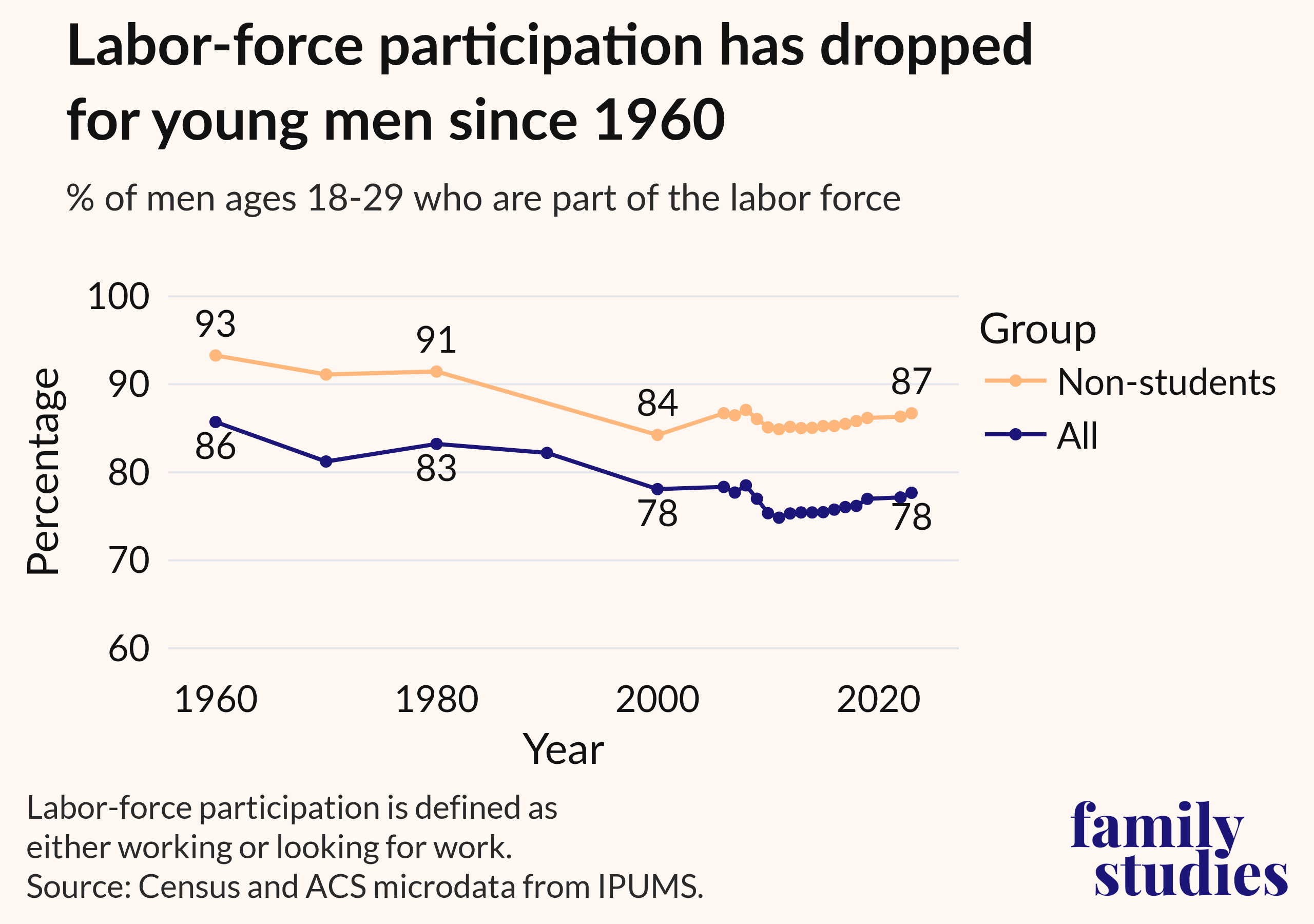
Figure 6. Percentage of men, ages 18-29, who are part of the labor force
The following figure presents the employment status of the young men in our survey. Not surprisingly, respondents ages 24-29 are more likely to work full time or be self-employed (74%) than those ages 18-23 (42%). This is partly because those in the latter group are more likely (14%) to be full-time students or caregivers than the former (3%). An additional 17% of respondents work part time, meaning that around 3 in 4 respondents work at least part time. These numbers are comparable to other surveys and show a decline, though a modest one, over time as seen in the previous chart.
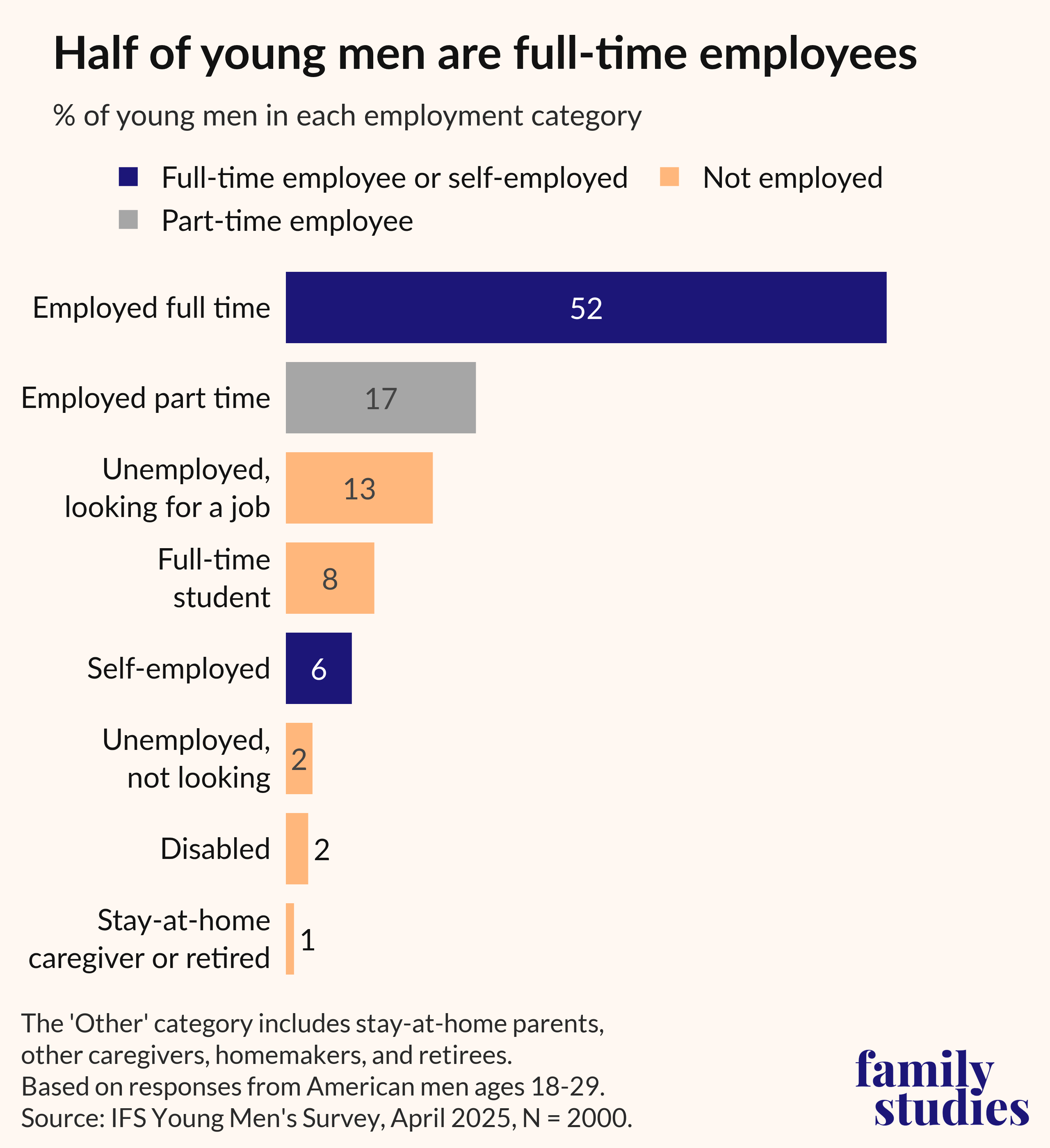
Figure 7. Percentage of young men by employment status
In our sample, 15% of young men describe themselves as unemployed—a much higher rate than the national average. Of these unemployed men, 84% are looking for a job, meaning just 2% are both unemployed and not seeking work. (An additional 2% of men say they could not work due to disability or illness.)
When comparing full-time and self-employed men to those who are unemployed, disabled, or retired, we find that the latter group is significantly less likely to have completed college or trade school, and less likely to view themselves as having reached full adulthood. They are more likely to be unmarried and childless; in addition, they are less likely to be interested in dating or marriage.
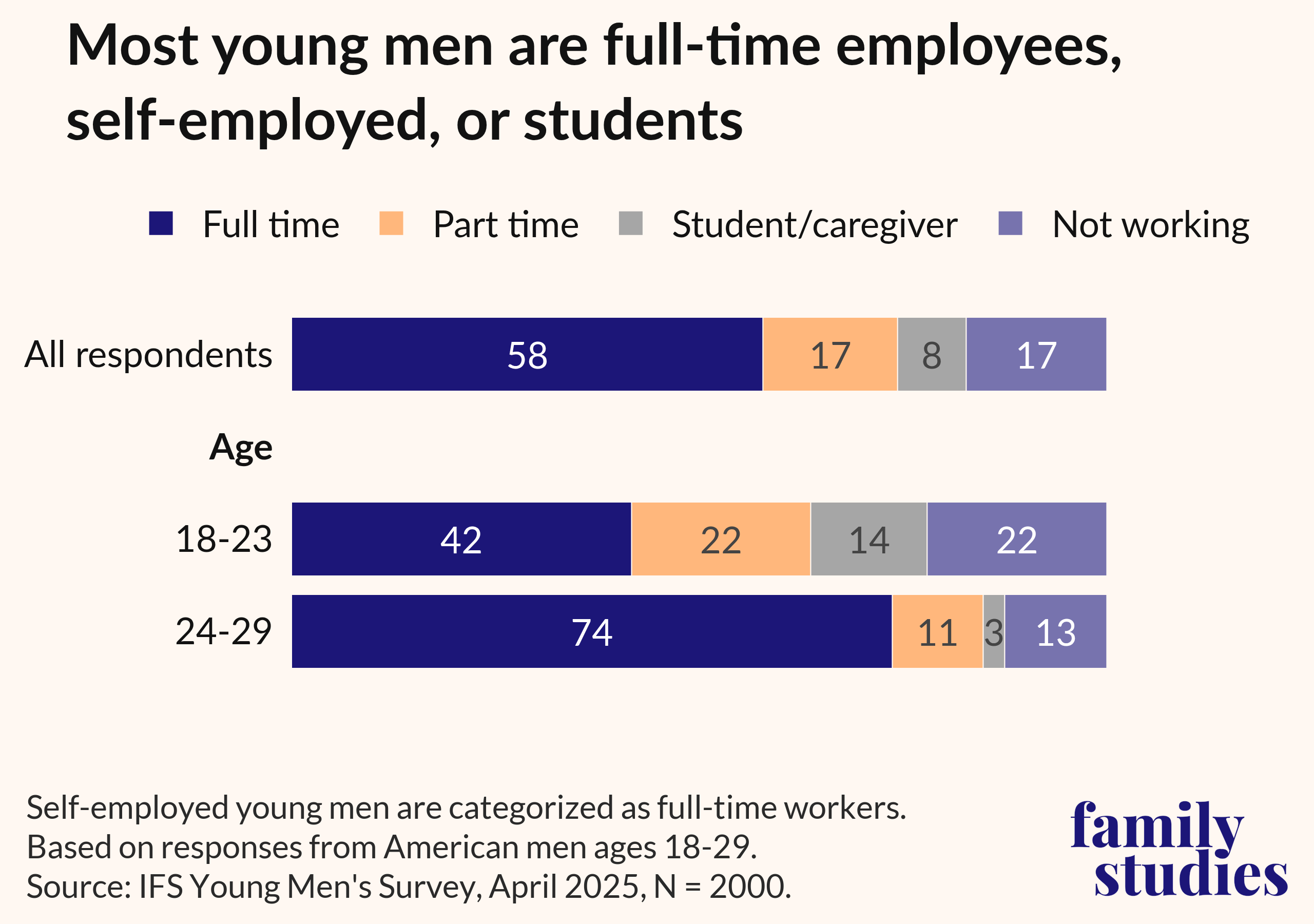
Figure 8. Percentage of young men who are full-time employees, self-employed, not working, or students
Surprisingly, given the workforce surveys that show that only about one-third of employees are “engaged” in their jobs and that practices like “quiet quitting” are common, the employed young men in our sample report considerable contentment. When asked “how satisfied are you with your current job,” 42% say they are “very satisfied,” and another 46% say they are “somewhat satisfied.” Only 12% report being “very or somewhat dissatisfied.”
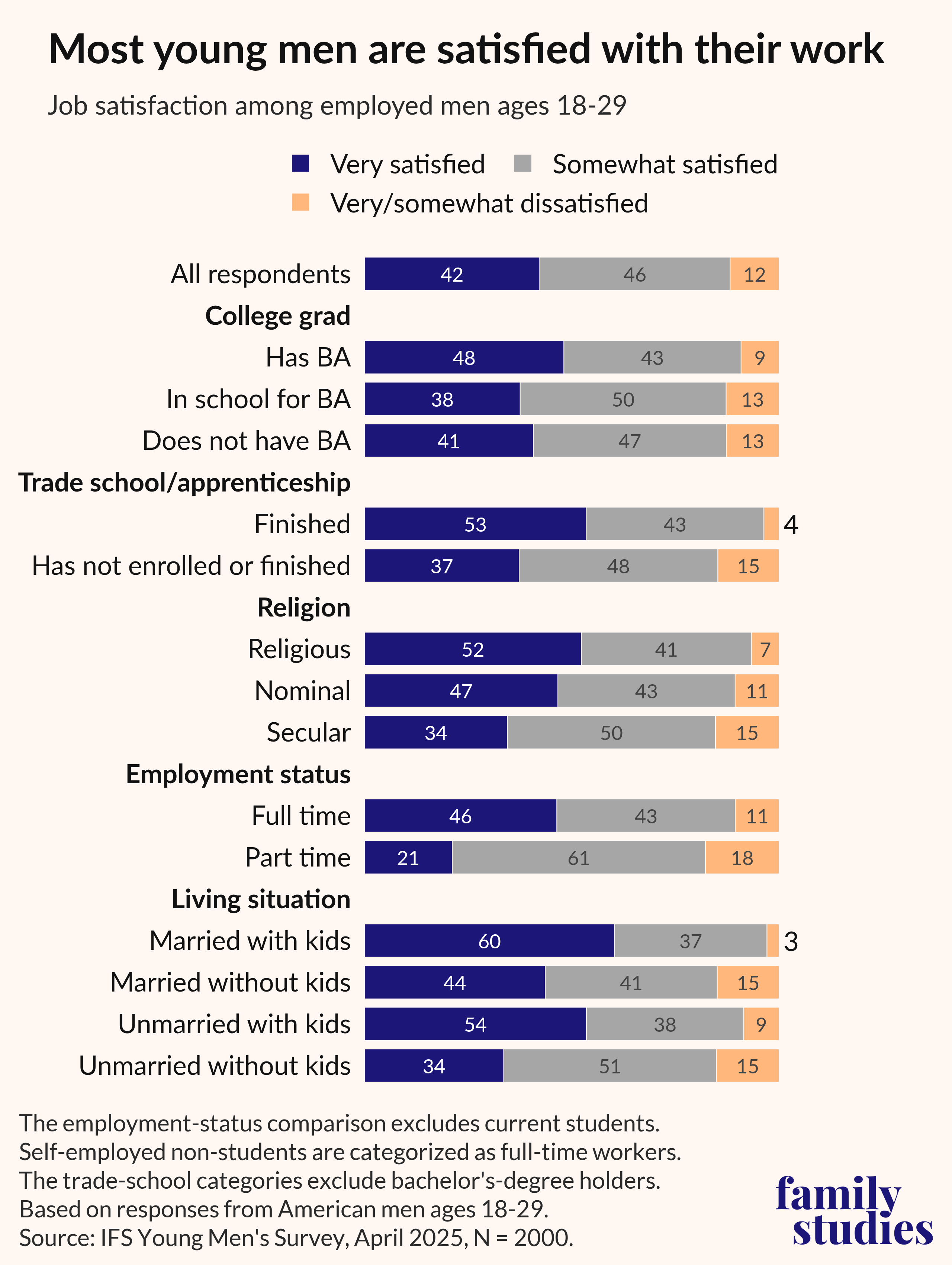
Figure 9. Job satisfaction among men, ages 18-29, by various characteristics
We also looked further into the 24% of our respondents who are not full-time employees, self-employed, students, or caregivers. Of this group, 54% are unemployed; 8% can’t work due to illness or a disability; and 38% are working part time. (A very small group—less than 1% of our sample—describe themselves as retired.)
What do we know about these marginally employed and unemployed men? They are more likely to live with their parents than are full-time workers (60% vs. 23%). They are also more likely to rate their mental health as “fair” or “poor” (37% vs. 20%), and to report current depression (27% vs. 16%), current anxiety disorder (26% vs 15%), and current autism (15% vs. 5%). This, in short, is a struggling group of young men.
But we also learned several things about this group that run counter to stereotype. These men report being less likely to have smoked cigarettes or e-cigarettes in the past year (37%) than the full-time/self-employed group (47%) and attest to fewer incidents of binge-drinking, defined as more than five drinks in a day (39% vs. 48%). True, they spend a lot of time playing video games, with 50% indicating a frequency of “almost constant, many times a day”—but 40% of the full-time/self-employed say the same. All these numbers are very high, to be sure, a point to which we will return in Part II of this report. The differences, though, are not what we would have predicted.
Rather than unemployment, it is low earnings that stand out in the survey. When asked about their most significant challenge so far, young men mention money and finding a good job by a wide margin. In another question, when asked about the characteristics of work they would enjoy, “earning a high income” tops the list, with around two-thirds viewing it as “extremely” or “very important.” Less than 10% consider it “not too” or “not at all important.”
Findings like these suggest that most young men place a strong premium on having a good income. Yet, as intimated by their own account, they are not where they want to be at this point in their life. As has been demonstrated many times, education after high school, especially college, is linked to more favorable career prospects and higher earnings. And, since at least the 1980s, everyone has been hearing the message that well-paying jobs requiring only a high school diploma are gone. The key to getting ahead is college. Did lots of young men somehow not get the memo? If they really want a good income, shouldn’t they be flocking to campus?
Ambivalent About College
What men want in terms of education beyond high school does not point to any simple answers. The path to a desirable job with a good income is not clear and does not necessarily begin with plans for college.
In recent decades, a gap has emerged between boys’ and girls’ educational qualifications, which has become a public issue and topic of policy debate. Educators, psychologists, economists, and others have been trying to puzzle out the roots of this “boy crisis,” and typically stress various contributing factors, from the decline of historically male occupations to boy-unfriendly aspects of school, such as pushing academic work down to younger ages. The upshot is that, according to the Pew Research Center, there were about 1 million fewer young men in college in 2022 than in 2011.
The following figure shows the breakdown of young men by education level in our survey. Considering just young men ages 24 to 29, we see that 28% have at least a bachelor’s degree; 11% have an associate’s degree or have completed trade school or an apprenticeship; and 21% are “currently in school,” which includes all men who are in a two-year college, four-year college, university, trade school, or apprenticeship program, even if they already have a degree.
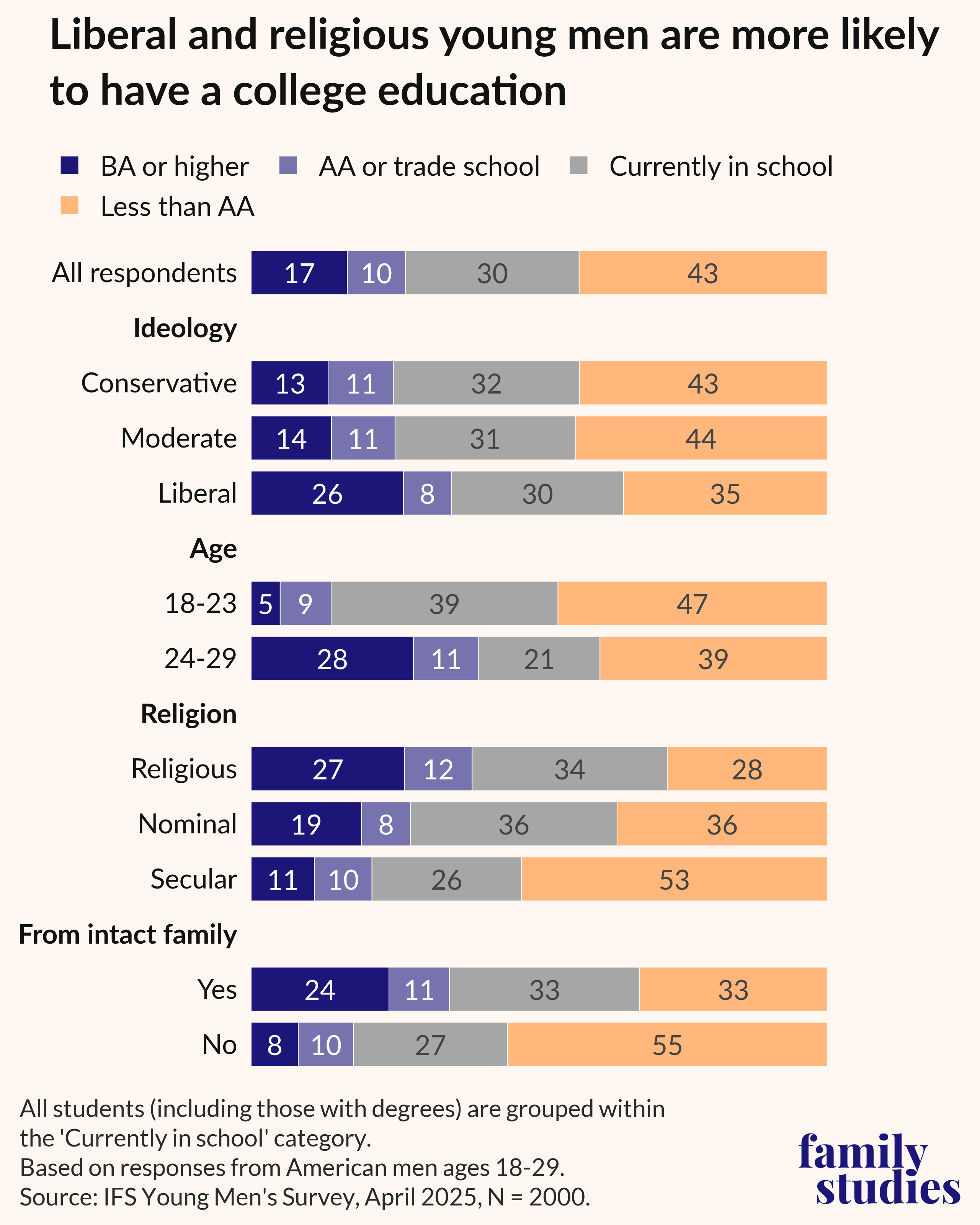
Figure 10. Percentage of men, ages 18-29, by education and various characteristics
We asked young men to think back on their experiences in K-12 school and consider the series of statements presented in the figure below. To what extent do they agree or disagree with each statement? Surprisingly, they generally describe their overall experience of school as fairly positive: 79% strongly or somewhat agree with the statement that “my teachers challenged me to do my very best.” Only 4% strongly disagree. Similarly, 40% and 39% of respondents strongly or somewhat agree, respectively, that they were motivated to get good grades. However, 46% of our respondents strongly or somewhat agree that playing sports was more important to them than their classes.
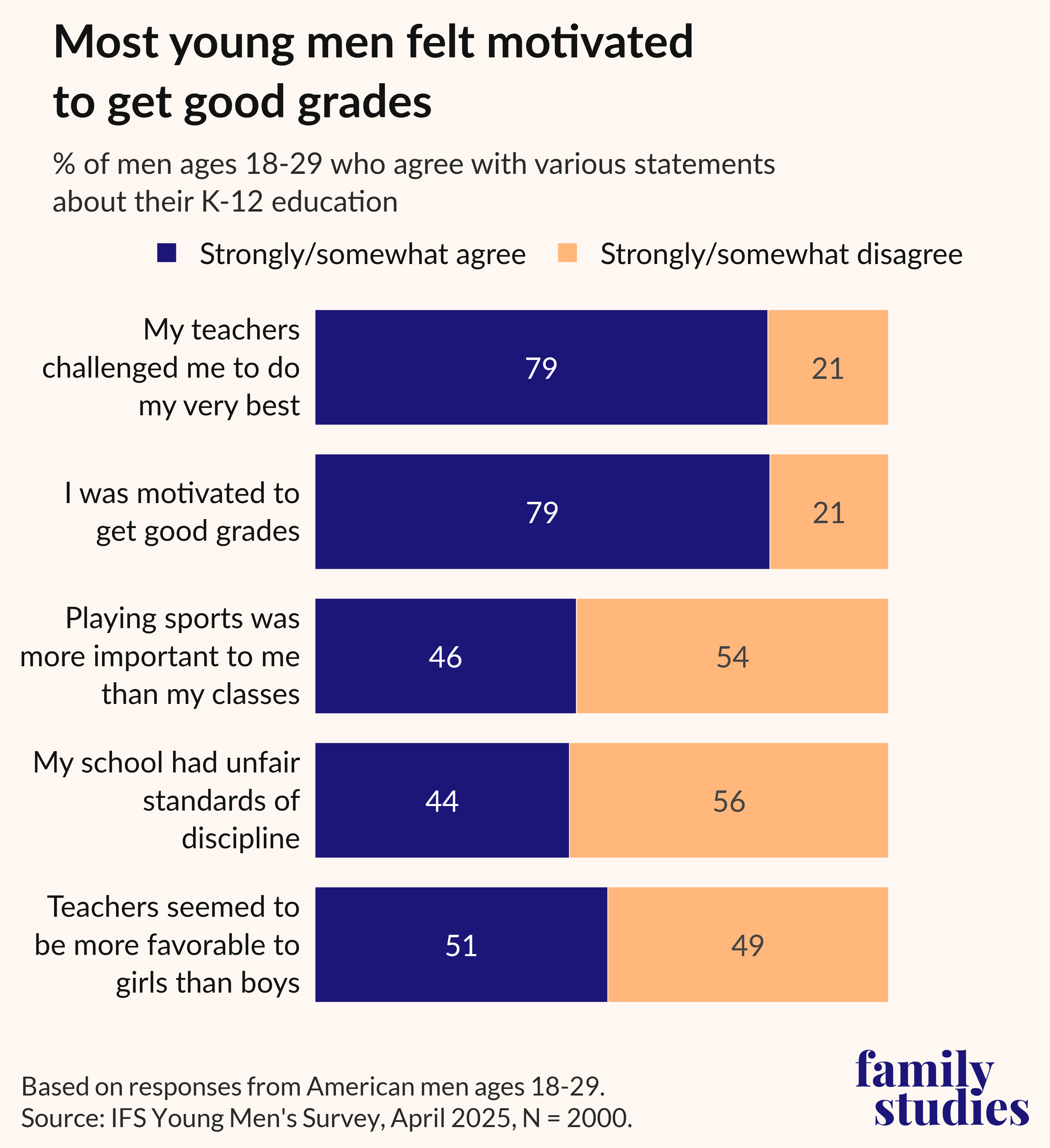
Figure 11. Percentage of men, ages 18-29, who agree or disagree with various statements about their K-12 education
Since boys get into trouble more than girls at school and teachers often use grades to reward positive attitudes and good behavior, we also presented two fairness statements. Here the responses are more evenly divided. Nearly half (44%) strongly or somewhat agree that “my school had unfair standards of discipline.” And, comparably, 51% agree that “teachers seemed to be more favorable to girls than boys.”
In recent decades, “college for all” has been a kind of educational orthodoxy, shaping both the subjects that schools teach and the more vocational tracks they have deemphasized or eliminated altogether. The solution to unfairly “tracking” some students and potentially denying them wider opportunities was to put all the students on the same track. While the “college for all” norm is now often panned as a terrible idea, it is by no means dead and gone. Students continue to be told that the “jobs of the future” require college degrees.
To gauge young men’s attitudes toward college, we presented the following statement for their evaluation: “One of the most important keys to success in life is a college education.” As we might expect, young men attending a four-year college or with a college degree are more in agreement, with 30% strongly affirming the importance of college, and when adding those “somewhat agreeing,” the total comes to more than 70 percent. The young men who have not attended college or dropped out are less convinced, but not by much. For example, 1 in 5 strongly agree, rising to well over half (57%) when those who somewhat agree are included. Although not currently pursuing a college education, for whatever reason, they still affirm its link with success.
If the first statement reflects a cultural message or normative expectation, the next two statements involve questions about the relative value of college that have been widely debated in recent years. In the public forum, the question of whether “college is worth it” no longer receives the automatic affirmation it once did, nor does the related question of whether college is the ticket to a desirable job. Old assumptions have been tested as the economy has evolved.
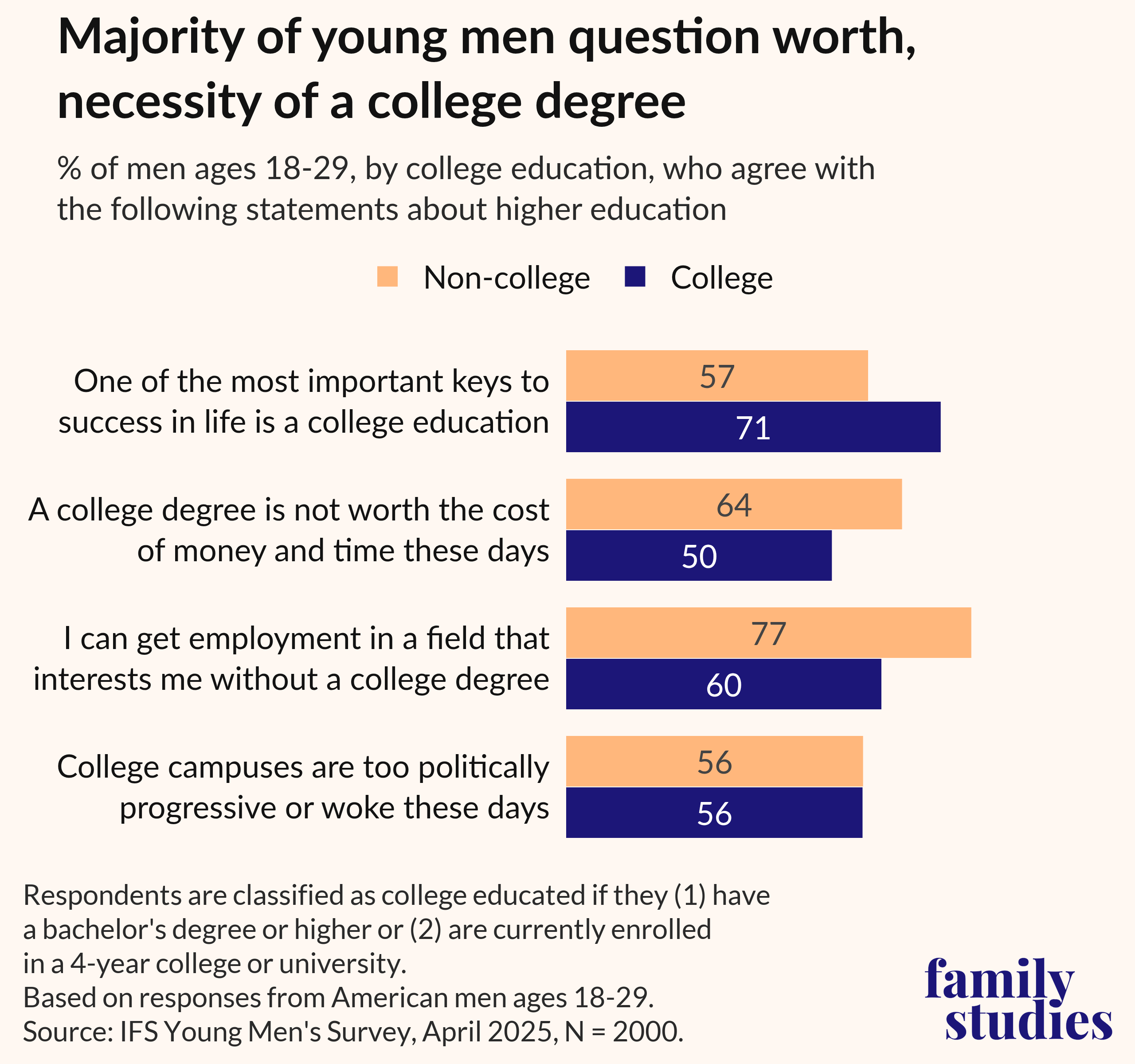
Figure 12. Percentage of men, ages 18-29, by college education who agree with various statements about higher education
Young men who have not gone to college or who dropped out before graduating are the most skeptical of its value. But even young men who are attending college or have graduated have doubts. Half of these men either strongly (17%) or somewhat (34%) agree with the statement about college not being worth the time or money, and some 60% either strongly (19%) or somewhat (41%) share the view that they could get a job that interests them without a college degree.
In response to our question about their greatest challenge, many graduates speak of their frustration: “graduating college and not being able to find work in my field,” or “realizing that my degree won’t get me an actual career,” or “unemployment after graduation was like hell.” It is not supposed to be this way. Education was once the sure route to stable professional work and a meaningful life. But we know that more graduates now end up in jobs that do not require a degree, tending to stay “underemployed,” and are making less money. For many, college is not working out as advertised. Some may feel betrayed and regret the expense.
Of particular interest here is the ambiguous status of college for the many young men not attending. They tend to both affirm its importance for success and question its value and relevance to their own aspirations. Obviously, if they do not believe it is worth the outlay of money or that they can get the job they want without it, there may be no point in attending. But are there other reasons? We asked this group some additional questions about potential obstacles. Are they unable to go to college for financial reasons or due to family responsibilities, or are they not attending because they don’t feel confident that they would succeed in a college environment?
All of these statements received substantial assenting responses. Specifically, 61% of non-college respondents cite a lack of financial resources. The cost of college has risen dramatically and for more students, attending requires a willingness to take on substantial debt. Many young men appear unwilling to do so. For 44%, family responsibilities are another impediment to college. Clearly, these are also barriers for a significant number of young men.
Another substantial group, 50% of the young men not attending college, are those who simply feel they would not succeed. Included in this group are young men with conditions that impact learning. We inquired whether respondents had ever been diagnosed or treated by a healthcare professional for autism, dyslexia, or ADHD. In our sample, 15% report being diagnosed with or treated for dyslexia or another learning disability, and 9% are currently still symptomatic or receiving treatment. Similarly, 16% have been diagnosed with or treated for autism, and 10% are still experiencing symptoms or being treated for it. Finally, 26% of our respondents have ever been diagnosed with or treated for ADHD, and 18% of respondents are still getting treatment or facing symptoms. Around 1 in 3 respondents have experienced one of these three learning-related conditions, and for 1 in 4, that condition is still active or being treated.
For many young men, college may not be the right course. For some, it will be a junior college or trade school. Among men in our sample without a bachelor’s degree, 11% of those ages 18-23 are currently attending trade school, and 15% of 18-29-year-olds have completed a trade school program. When excluding students and caregivers from our analysis, the percentage of trade-school and apprenticeship graduates (not including those with a bachelor’s degree) who are employed full time or self-employed (77%) is very similar to that of college grads (80%). This indicates that trade schools can be just as effective a path to employment as four-year colleges.
Trade school and apprenticeship programs may be more accessible—or appealing—to young men with certain learning-related issues. As the following figure shows, men with autism, ADHD, or learning disabilities like dyslexia are about as likely to have graduated from a trade school or apprenticeship program as those without a history of these conditions. Meanwhile, four-year college graduation rates are much lower for men with learning-related disorders.
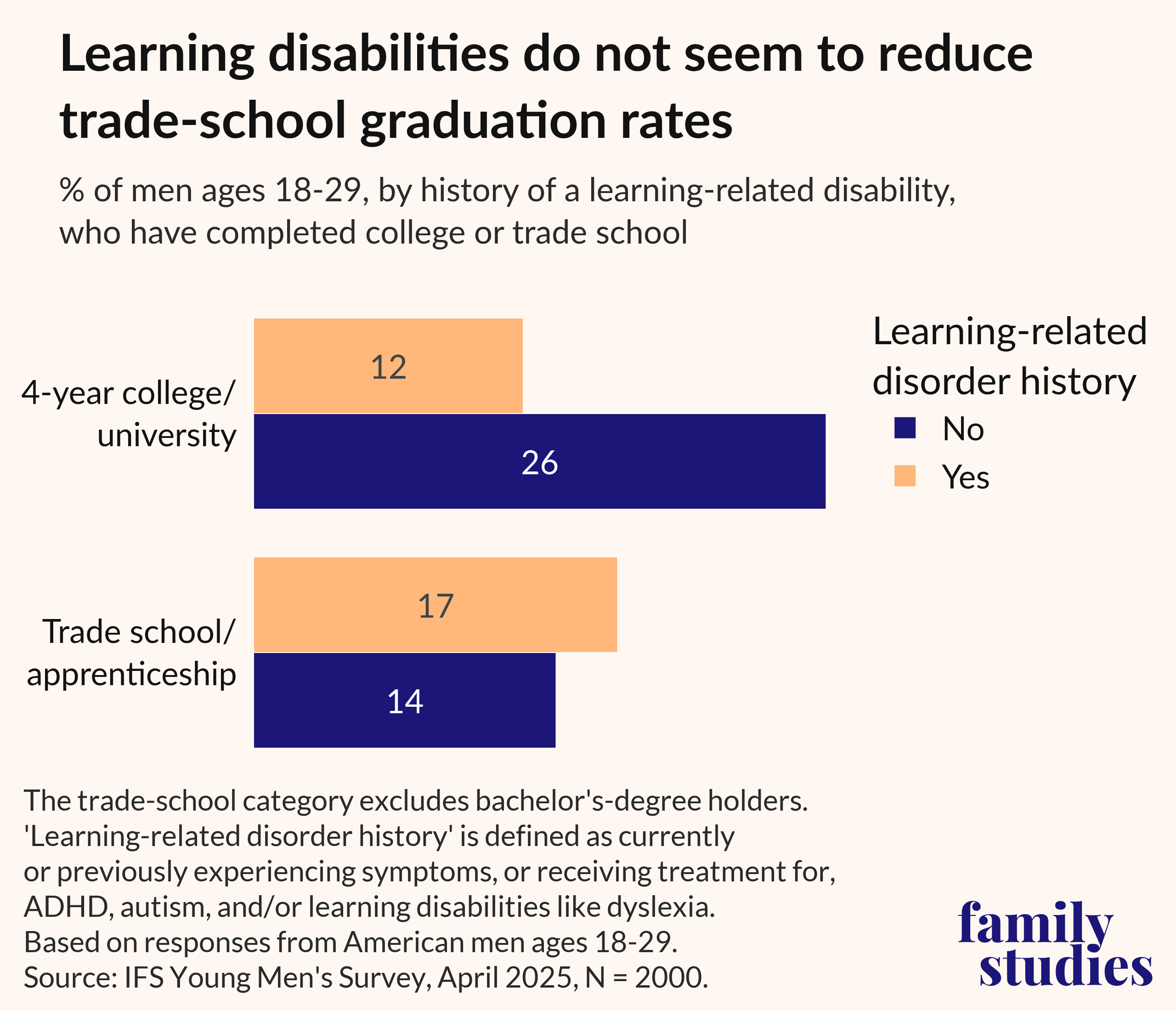
Figure 13. Percentage of men, ages 18-29, who have completed college or trade school, by history of learning disability
While efforts are underway to create more vocational paths, most young men who are not on the path to college face an initially formless environment, in which they must discover, with little guidance, options for their inclinations and talents. Very often, the kinds of work available are “dead-end” jobs: extremely low wage, unstable, and disconnected from any opportunity for advancement. Without direction, their estimation of desirable jobs, earnings potential, promotion possibilities, and so on may be woefully inaccurate. In a formless environment, there are many obstacles to good decisions.
At one time, military service provided an important institutional path to the labor force. We find that among young men, 4% have served, and another 3% are currently serving in a branch of the U.S. Armed Forces, including the Coast Guard, the National Guard, or the Reserves. But when we asked those who had not been in uniform if they have ever considered joining, only 7% indicate “yes, seriously.”
The open-endedness that many young men face is a heavy burden, a load made more onerous by another effect of the heavy emphasis on college: the sharply lowered status of many traditionally male jobs (skilled and semi-skilled work, craftsmanship, and protective services). As one measure of the low status, we asked young men if they agree or disagree with the following provocative statement: “In our society, men who work in blue-collar jobs (construction, plumbing, etc.) are regarded as not very smart.” Two-thirds (or 63%) at least somewhat agree with that statement. Only 12% strongly disagree.
This attitude surely plays a role in the demoralization of young men that we will turn to in Part II, Chapter 5. Perhaps it also contributes to another problem for young men—their marriageability—which we turn to next.
Chapter 3: What Young Men Want—Marriage and Manhood
“The most significant challenge I’ve faced is trying to get a job after college and marrying. Settling down for a new phase of life took me through anxiety, depression and low morale.”—Married, age 25, employed part time
In this chapter, we pick up where we left off on the question of what young men want, turning to the issues of marriage, parenthood, and manhood. In presenting our findings, we are concentrating not only on the desires that most young men express, but also on some of the obstacles to their realization.
Marriage and Parenthood
Young men want to get married, and they want to have children. Among the young men ages 18-29 that we surveyed, 16% are married. (At this young age, only about 1% total have ever been separated, divorced, or widowed.) Naturally, the older respondents are more likely to be married than the younger: 6% of those ages 18-23 and 25% of those between 24 and 29 have tied the knot. Today, the median age of first marriage among American men is 30.2, the highest age, outside the pandemic, since the first census in 1890.
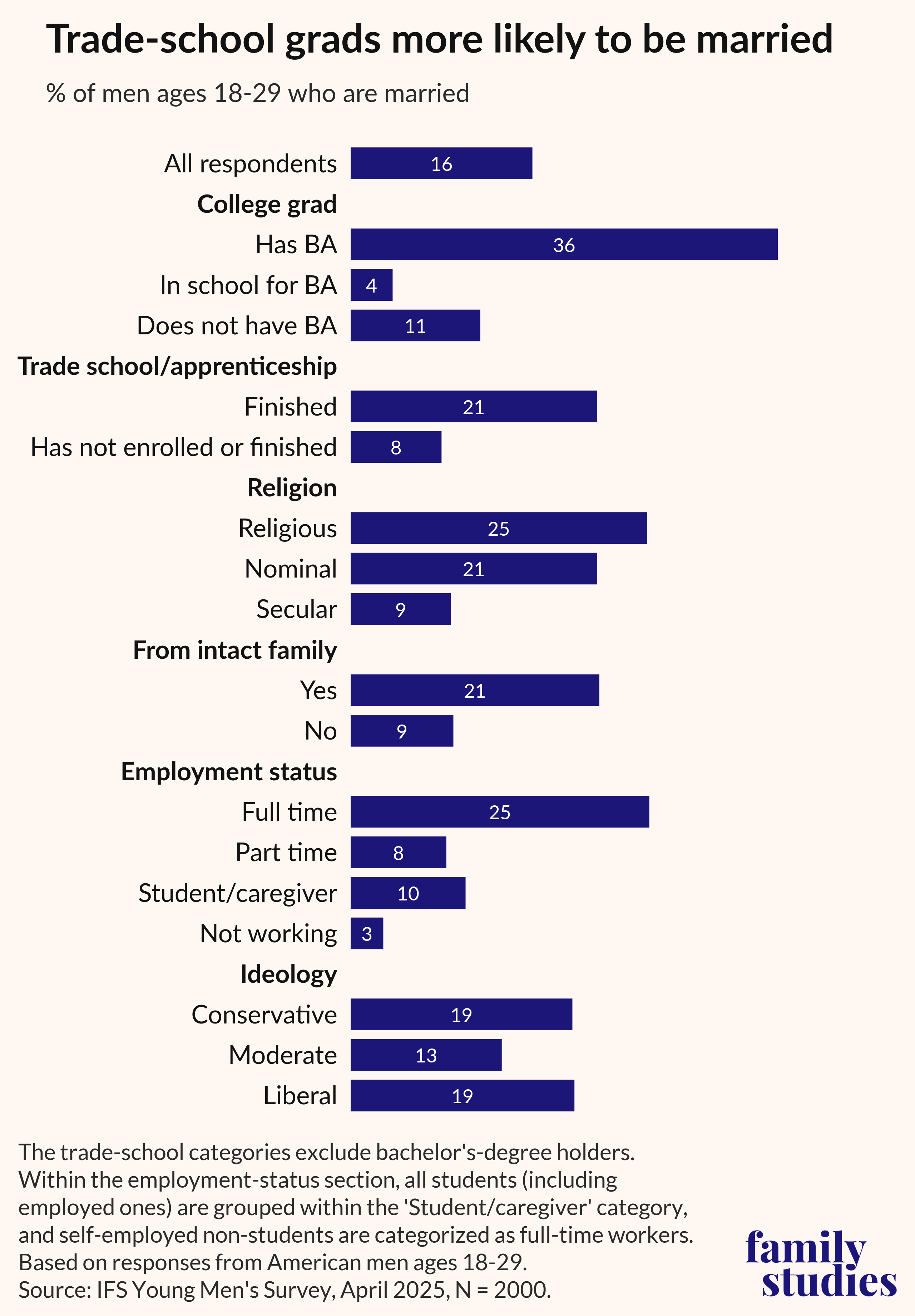
Figure 14. Percentage of men, ages 18-29, who are married, by various characteristics
Among the large group of unmarried men, less than one-third (30%) are currently in a romantic relationship. This group includes 11% who are living with a partner; a significant percentage of these cohabiting men (46%) are also parents. That leaves a full 70% of the single men, or 59% of the whole sample, who are not in a romantic relationship. Young men, in sum, are having a hard time in matters of love.
We asked the young men who are not in a romantic relationship if they were interested in dating. This was a simple yes-or-no question. As can be seen in the figure below, the great majority, around three-quarters of our sample, answer “yes.” We also find that religious men are more likely to express interest in dating than their secular counterparts; similarly, among non-students and non-caregivers, full-time or self-employed respondents are more likely to be interested in dating than those who are not working. Conservative respondents and parents are also more interested in dating than liberal respondents and non-parents, respectively. Overall, however, we find that young men who are not presently in a romantic relationship have not given up on the possibility of one.
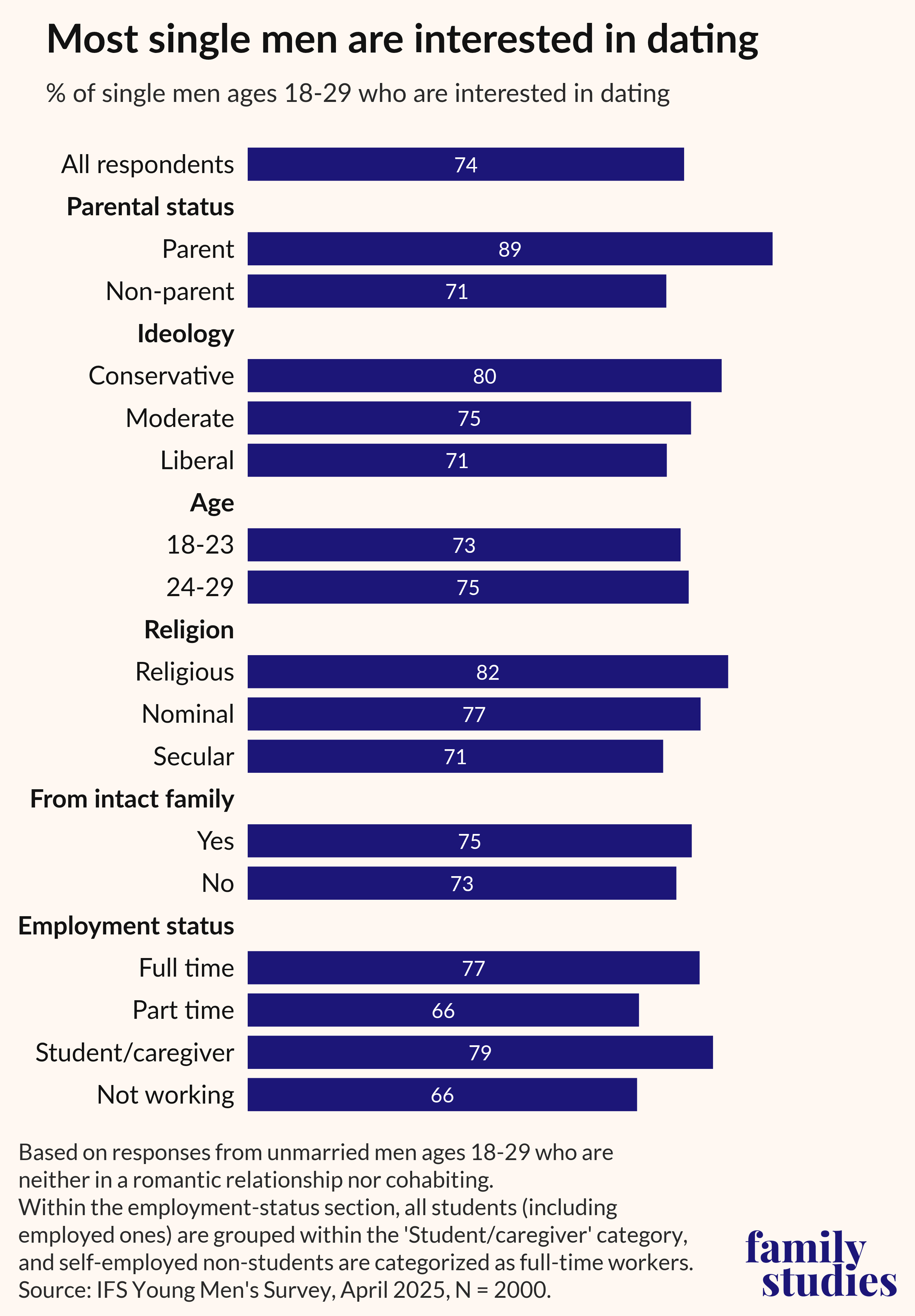
Figure 15. Percentage of men, ages 18-29, who are interested in dating, by various characteristics
But that non-defeatism does not mean these men are optimistic. Quite the opposite. To get a better understanding of the situation of those without a romantic relationship, whether interested in dating or not, we presented them with a series of statements and asked for their level of agreement or disagreement. The following figure shows the percentages of those who agree. About half indicate that it has been difficult to find someone who will go out with them, and nearly 6 in 10 report that that the fear of being turned down makes them reluctant to ask.
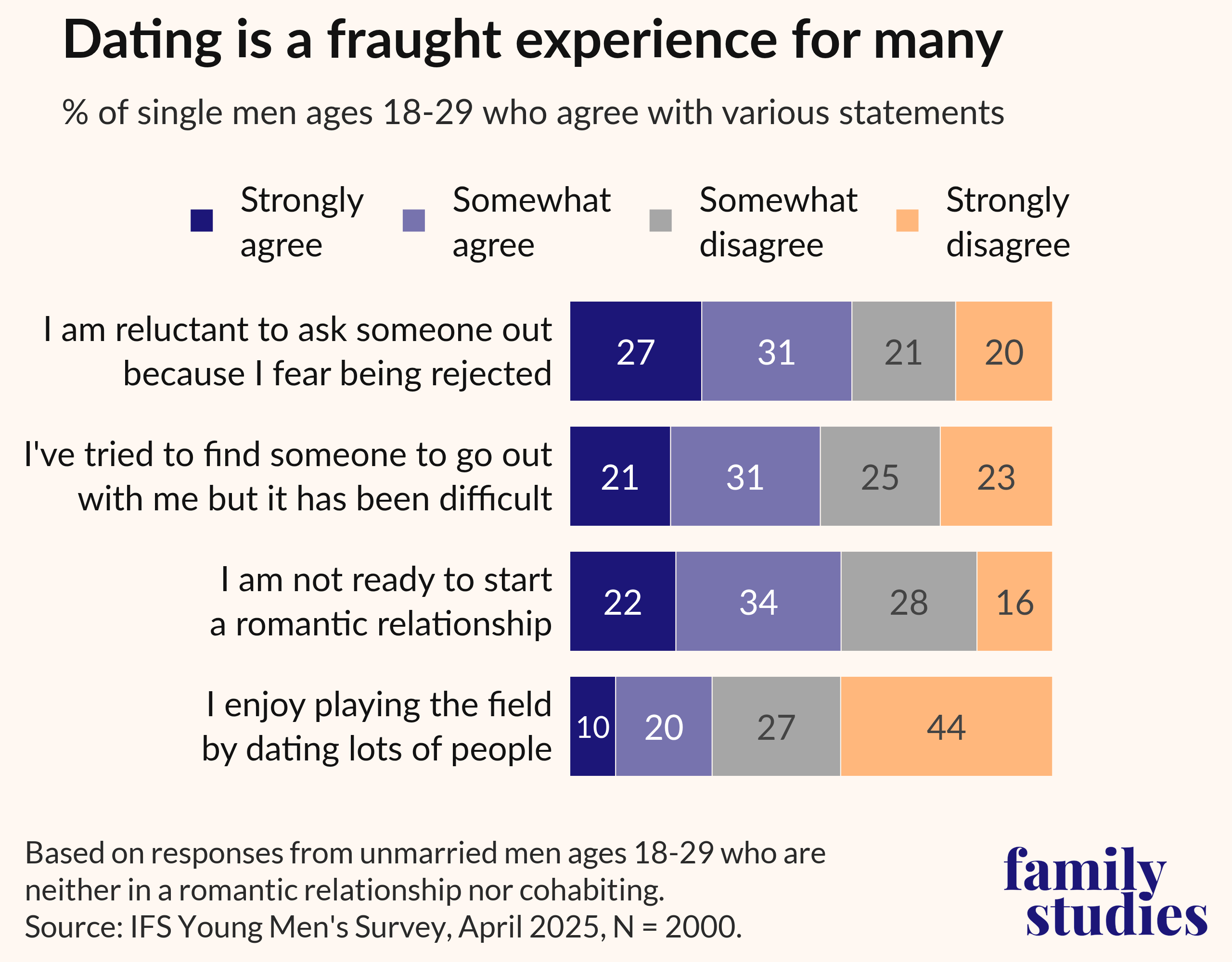
Figure 16. Percentage of single men, ages 18-29, who agree with various statements
These two reasons are very likely related. They reflect the judgment of young men that they do not possess the personal qualities needed for a successful romantic relationship. They may feel that there is something inadequate about themselves or their situation, or that they cannot meet the demands of potential dates.
We see the same patterns with respect to readiness for marriage. What is clear is that, for many young men, dating and romance are fraught.
But the data also make clear that the lack of a stable romantic relationship, or the fact of not seeking one to begin with, is not because these men want to stay detached. Over half of our respondents say that the time is not right to start a romantic relationship. This underscores that there is a clear priority in the minds of men with achieving a certain station in life before being ready to date and marry. Lastly, whatever luster “playing the field” might have once had, fewer than 1 in 3 young men agree that they prefer to date lots of people. For most, just getting a date is the challenge.
We then asked this group, as well as the unmarried who were in a romantic relationship, if they would like to get married someday. A substantial majority say “yes” (68%) and about 1 in 5 are “unsure” (21%). Only 1 in 10 say “no.” We also find that the percentage of cohabiting young men who wish to get married (69%) is significantly lower than the corresponding percentage for unmarried men in a romantic but non-cohabiting relationship (83%). Although cohabitation is sometimes seen as a precursor to marriage, we find that the percentage of cohabiting men who plan to get married does not differ significantly from the percentage of unmarried men who are not presently in a romantic relationship (64%).
Similar to our results on dating, young men are more likely to desire marriage if they are parents, politically conservative, religious, and (among non-students and non-caregivers) working full time or self-employed (rather than not working). Furthermore, respondents from an intact family (meaning their parents were married to each other when the respondents were 16 years old) and graduates from a four-year college are more likely to be interested in marriage.
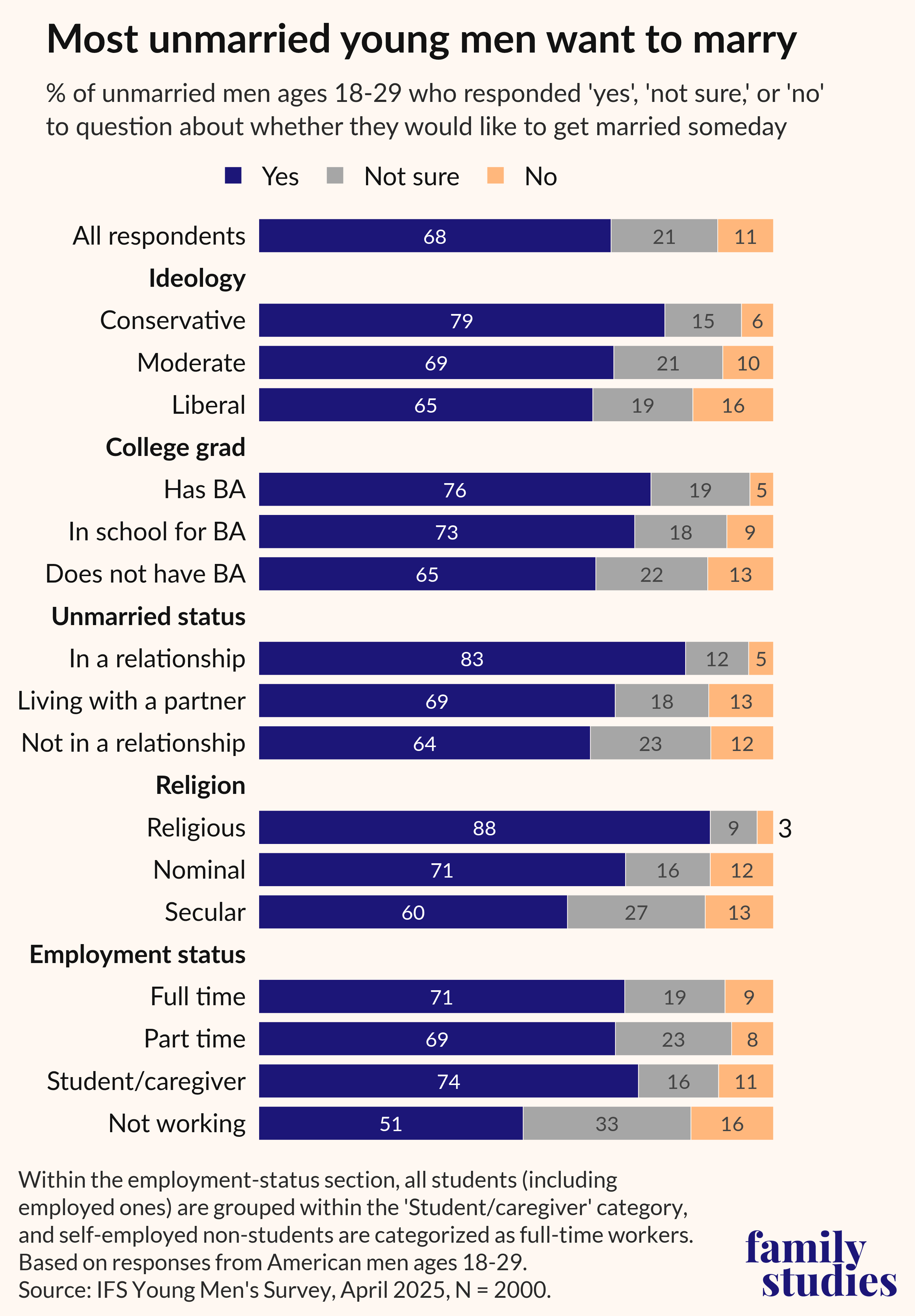
Figure 17. Percentage of men, ages 18-29, who responded “yes,” “not sure,” or “no” to question about getting married someday, by various characteristics
To explore the reasons why some young men are hesitant or do not want to get married, we provided the list in the following figure and asked them to select any that apply. Of the seven possible responses, four might be classified as reasons to be unsure. Two, as noted earlier, concern their financial situation. Some are unsure because they are not yet financially independent: one-third check this box. And some, 1 in 4, check a related box: the lack of a stable job. Among non-students and non-caregivers, those who are not working are more likely to select these latter two responses than those who are full-time employees or self-employed.
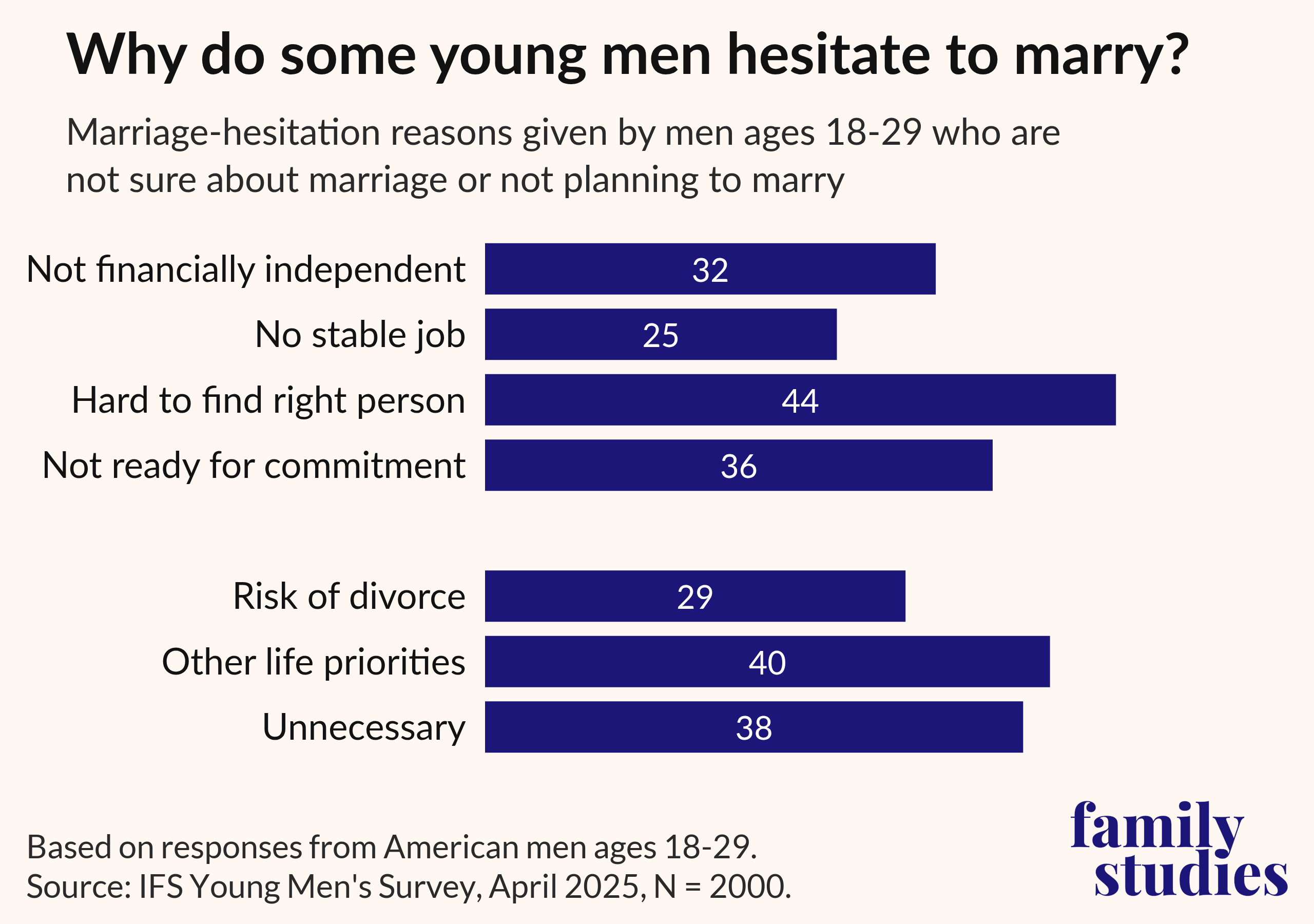
Figure 18. Percentage of men, ages 18-29, who are not sure about marriage or not planning to marry, by marriage-hesitation reason given
Two other reasons for hesitation about marriage concerned being personally unprepared to commit and the problem of finding the right person. A little more than one-third (36%) select “not ready for the commitment,” and even more (44%) choose it’s “hard to find the right person to marry.” Interestingly, those who are the most religious (defined as attending services more than once a month) are more likely (49%) to report not being ready for commitment than nominal (30%) respondents. Consistent with other recent surveys, we also find that men who identify as politically conservative (57%) are more likely to say it’s “hard to find the right person” than either self-identified moderates (41%) or liberals (44%).
Surprisingly, we also find that nearly half (48%) of those with a college degree do not feel ready for the commitment, and just over half (51%) say it’s challenging to find the right person. What makes this finding unanticipated is that, as shown earlier, the college graduates in our sample are much more likely to be married (36%) than those without a BA or who are not in college (11%). We do not find a reason in our data, but their pessimism may reflect a growing sense of financial precariousness among the professional class. As others have documented, having attained a degree, recent graduates may be saddled with considerable debt and facing a very difficult job market.
The other three—although not necessarily fixed attitudes—tilt toward reasons for not wanting to marry. (As a reminder, the following percentages only include those unmarried men in our survey who don’t want to marry or are unsure about marriage.) Just under one-third of this sample (29%) select the statement, “I worry about the risk of divorce.” Many know this risk firsthand, as 63% of this group grew up in homes with unmarried parents when they were 16 years old. (For reference, 46% of all men in our sample came from non-intact backgrounds.)
Even larger numbers of those who do not desire marriage state “I have other priorities in life that are more important than marriage” (40%), and “I don’t believe that marriage is necessary for a long-lasting relationship” (38%). Interestingly, while similar percentages of conservative and liberal (43% and 44%, respectively) respondents in this group explain that they see marriage as unnecessary, only 30% of conservatives—compared to 47% of liberals—say that they have life priorities other than marriage.
We also asked young men who want to get married if they would like to have children someday: 82% say “yes”; 10% are not sure; and just 7% say “no,” they do not want to have kids. Turning the question around, we asked the young men who want to have children if they want to get married: 90% say “yes,” 9% are unsure, and just 1% say “no.” The bottom line is that very few respondents want kids but not marriage, and only a small proportion want marriage but not kids. For young men—at least in terms of what they desire—marriage and children remain interconnected.
That said, we find that 30% of young men in our sample overall are fathers. (This percentage was much higher than the percentage (13%) of men ages 18-29 in the 2024 Survey of Income and Program Participation (SIPP) who reported being a father. Therefore, these findings should be interpreted with caution). Not surprisingly, men ages 24-29 are more likely (40%) than those ages 18-23 (19%) to be dads. Most have only one child, with just 31% of dads (and 9% of all respondents) reporting two or more children. Of course, these numbers will change as the men in our sample get older.
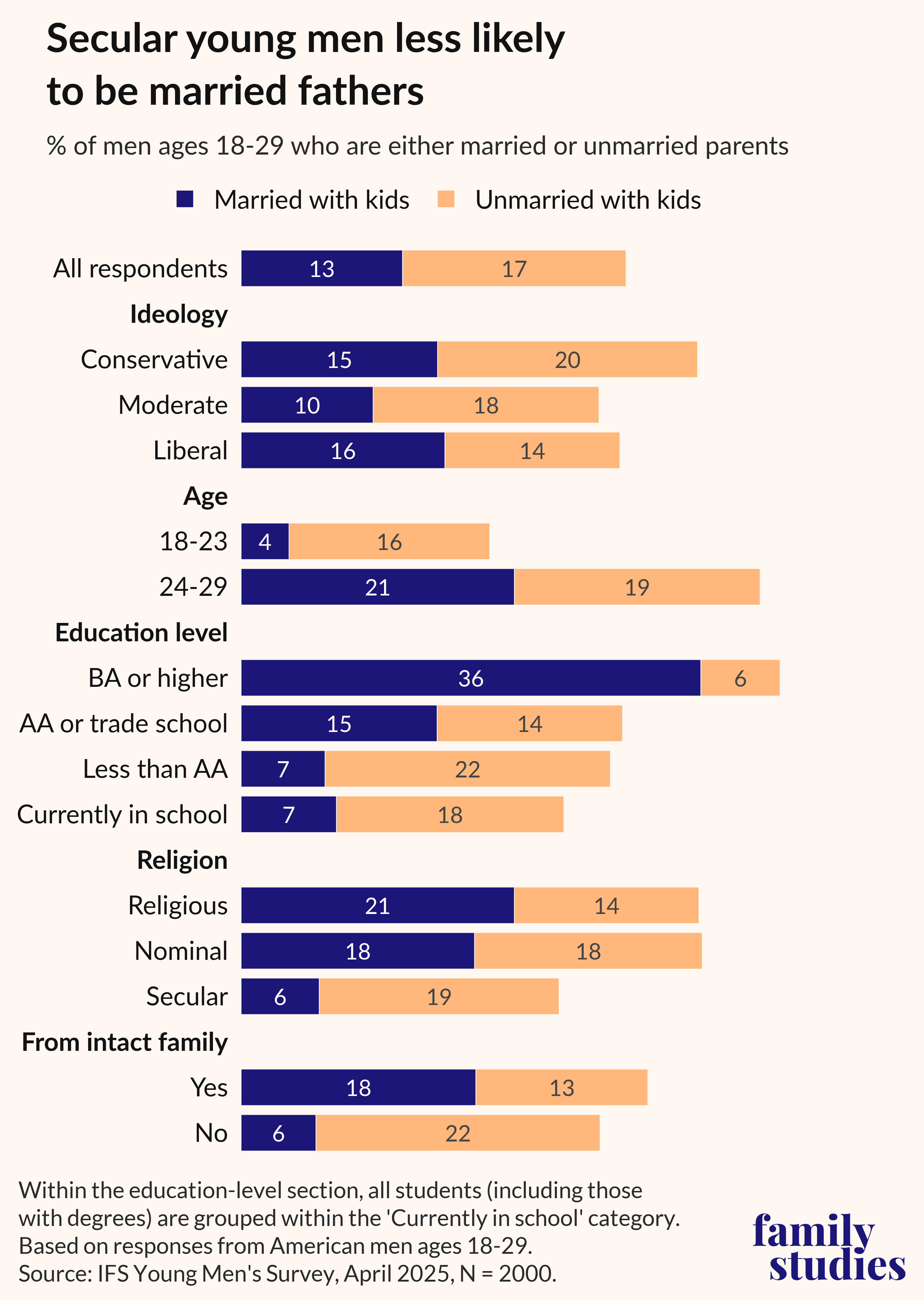
Figure 19. Percentage of men, ages 18-29, who are either married or unmarried parents, by various characteristics
It is notable that married fathers are in the minority: as the following figure shows, 58% of the dads in our sample are unmarried. Substantial percentages of dads within many demographic groups, including 57% of conservatives, 40% of religious respondents, and 42% of those from intact families, are unmarried. College graduates, however, have far lower rates of out-of-wedlock parenting: among dads who have a bachelor’s degree or higher, 80% are married. Meanwhile, only 27% of dads without a bachelor’s degree (and who are not in school) are married. We also find that, among the parents in our sample, the percentage of respondents from intact households who are married (58%) is nearly three times higher than the percentage of respondents from non-intact households. Religious practice appears to be similarly formative for married fatherhood; while 60% of religious dads are married, only 25% of secular dads are married.
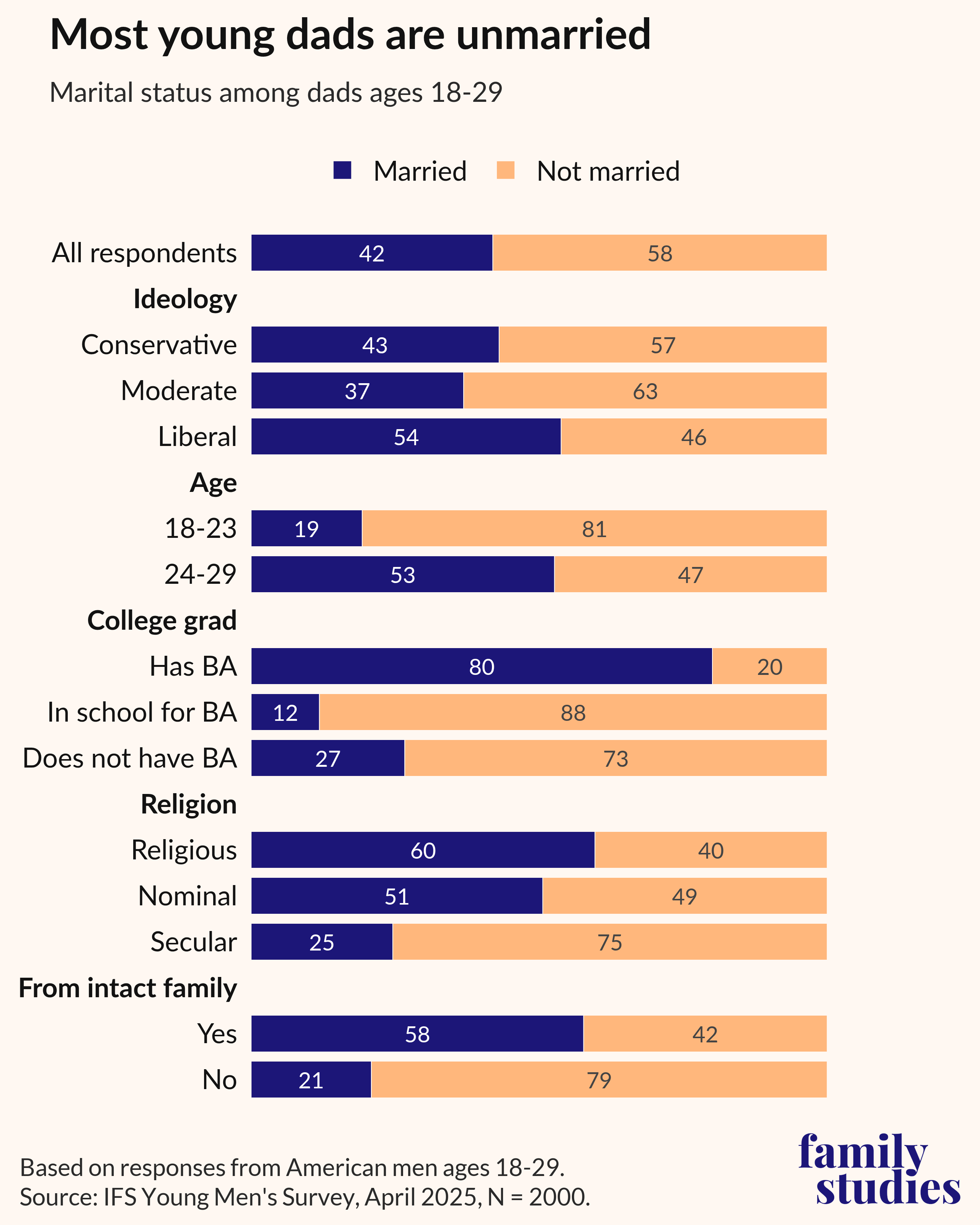
Figure 20. Marital status among dads, ages 18-29, by various characteristics
When we examine marital and parental status together, we find significant differences between respondents from intact and non-intact families. For example, 18% of respondents who grew up with married parents (until at least age 16) report being a married parent themselves; meanwhile, only 6% of non-intact respondents do. It’s notable, if not surprising, that respondents from non-intact households are more likely to be unmarried dads (22%) than are those from intact backgrounds (13%).
Since this is not a decision men want to make alone, the realization of parenthood will depend on a successful navigation of the troubled waters of dating and finding a marriage partner. It is likely that many will fail. In 2024, according to the Census Bureau, 47.1% of households were headed by married couples, which is the second lowest share all-time. That is a much lower percentage than if the desires of young men for marriage and children were fulfilled. There are clearly obstacles.
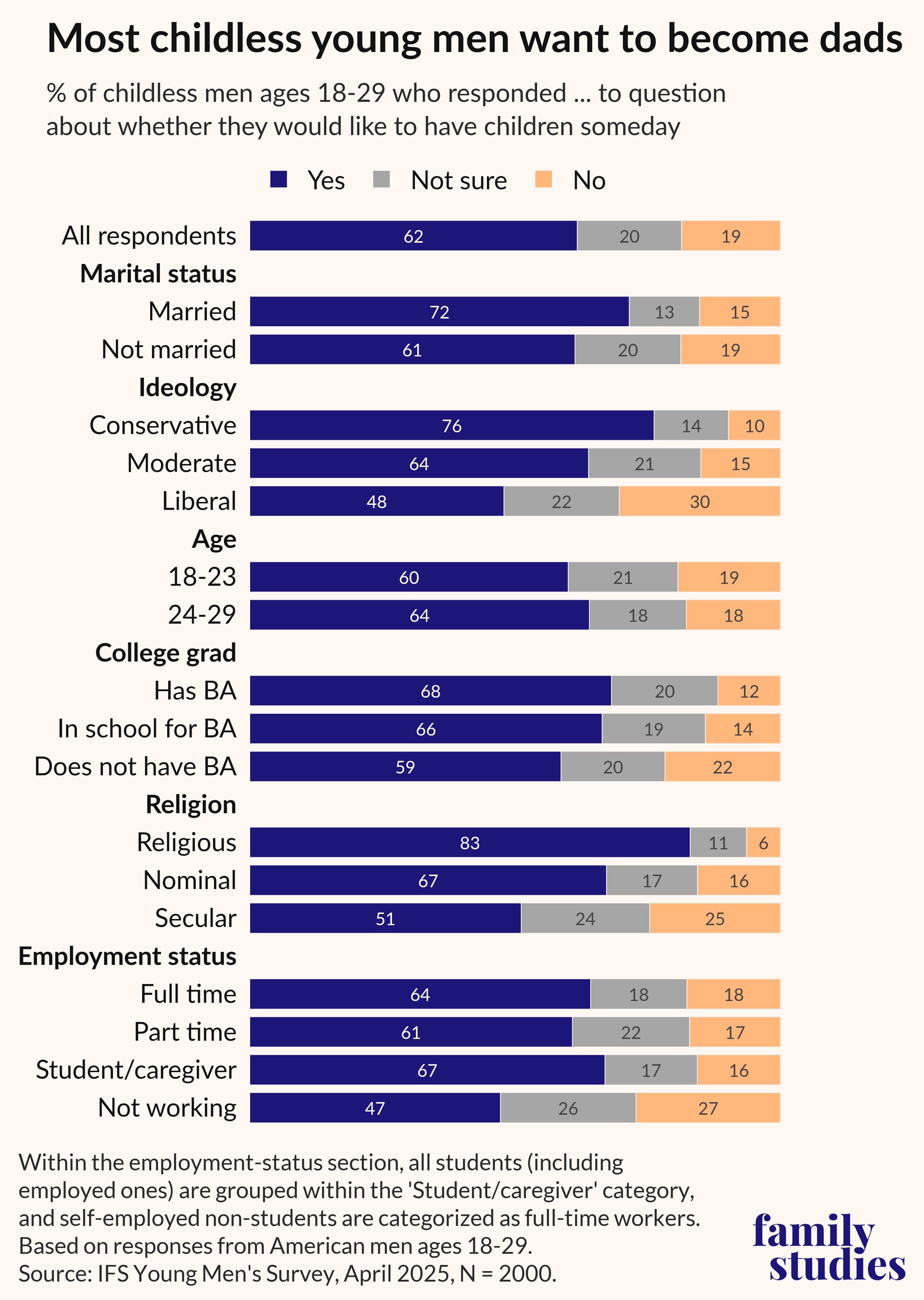
Figure 21. Percentage of childless men, ages 18-29, responding “yes,” “no,” or “not sure” to a question about whether they would like to have children someday, by various characteristics
Our best evidence on the nature of the obstacles can be gleaned from looking at data on married men and at what men themselves prefer in a marriage partner. In an analysis of men ages 25-29, we can identify some potential predictors of getting married. For instance, those with a bachelor’s degree or higher are far more likely to be married (45%) than those who neither have a college degree, nor are in school to get a degree (19%). In addition, religious respondents are roughly three times as likely to be married (44%) as secular respondents (15%).
For those who desire to marry, however, income and education also play a role. While we can see this association in our survey data through age 29, most men get married in their 30s. We therefore draw on the Census Bureau’s American Community Survey to look at marriage trends for a higher age range: 25 to 39. As the following figure illustrates, for men ages 25-39, those with degrees are more likely to get married in a given year than those without degrees in each income group. But income alone is also a factor. The highest-earning young men without degrees are around twice as likely (9%) to get married as the lowest-earning young men with degrees (4%).
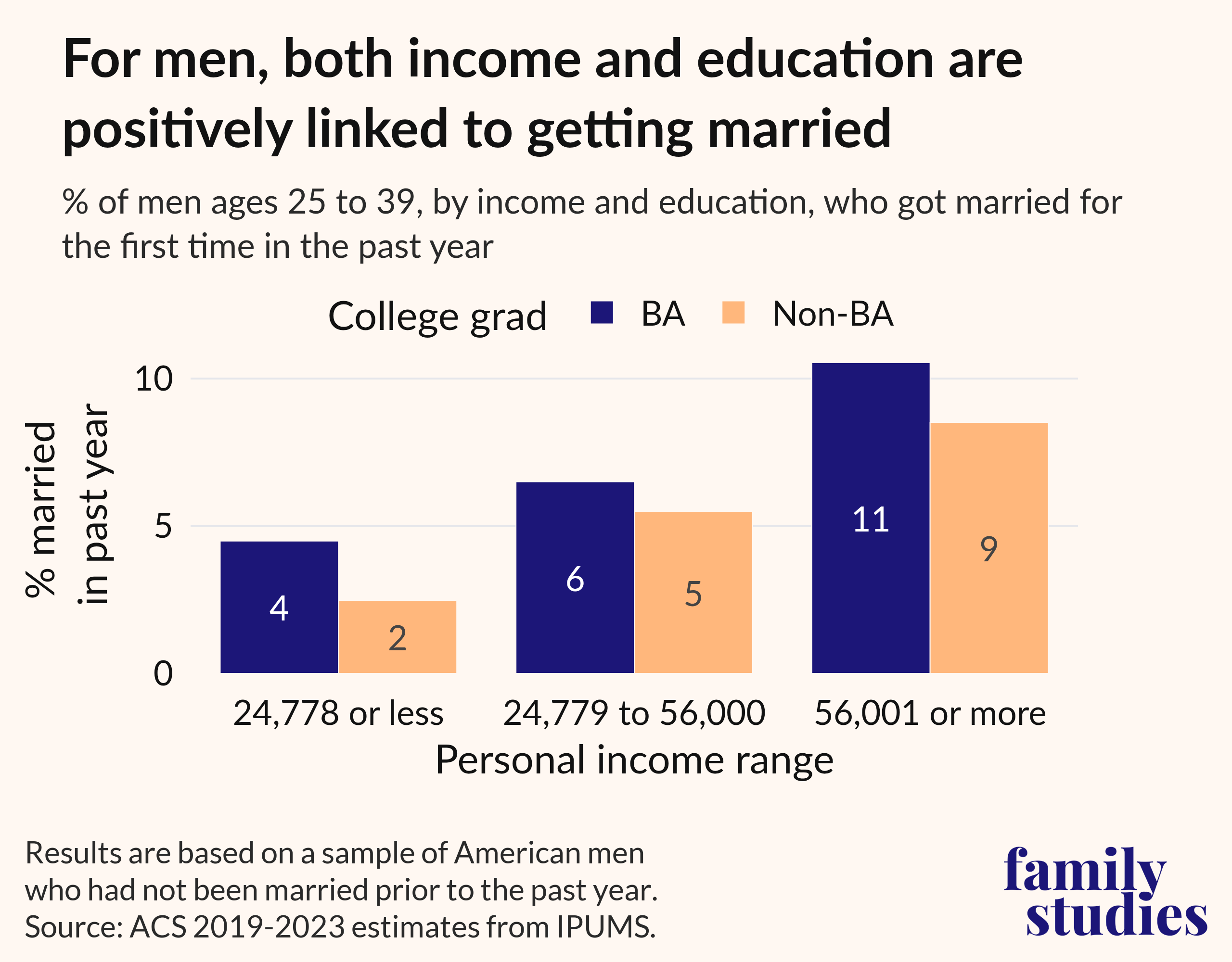
Figure 22. Percentage of men, ages 25-39, who got married for the first time in the past year, by income and education
This pattern has been observed before. Research on “assortative mating” (how partners chose each other) has typically examined income and education separately. Treating these variables together, a 2017 study of heterosexual newlyweds in two time periods observed an interesting configuration. On the one hand, as women came to have more education than men after 1980, they shifted from a tendency to marry men with more education to a tendency to also marry men with less. On the other hand, the tendency of women to marry men with higher incomes than themselves remained the same. And, the study showed,
the tendency for women to marry up in income was generally greater among couples in which the wife’s education level equaled or surpassed that of the husband than among couples in which the wife was less educated than the husband.
In other words, while a marriage may occur when the man has less formal education, it is less likely to do so when her income also exceeds his.
Talk of “marrying up” can give the impression that marriage choices are being made in purely economic terms. But that is clearly wrong. We can get a better picture from looking at what young men who are uninterested in, or unsure about, marriage feel they need to have in place before getting married.
First, around two-thirds of young men rank having a stable job as very important for marriage preparation. With the “somewhat important” response included, the endorsement exceeds 90 percent. On a second question, about financial security, the very/somewhat important percentages are nearly identical. We also asked all men, including those who are already married, about the importance of various qualities in a life partner: 40% say that having “a stable job” is a very important attribute; an additional 39% consider it somewhat important. A related statement concerns “good earning potential.” While 30% say that a “good earning potential” is not too, or not at all, important, the majority see this potential as very (33%) or somewhat (37%) important.
These responses suggest that most young men do not envision being the sole provider for their family. This interpretation is confirmed when we asked a breadwinning question directly. We presented the following two statements and asked all respondents to indicate which statement came closest to their personal view, even if neither was exactly right.
- Statement A: “It is better for everyone in the family when men primarily focus on breadwinning, while women focus more on caring for the children and home.”
- Statement B: “In a family, the couple should divide work and home responsibilities in whatever way best suits them.”
About one-third (32%) endorse statement A. Men with bachelor’s degrees and those who are neither college grads nor in school for a BA have similar rates of choosing statement A (29% and 33%, respectively); however, conservative men are more likely (49%) to choose this statement than moderate (32%) or liberal (19%) men. Similarly, a larger share of religious (43%) men endorse this statement than do secular (26%) men.
Additionally, we queried young men on their view of the following statement: “A man’s role as a father is more important than his paid occupation.” The vast majority of our respondents (87%) either strongly or somewhat agree with this statement. Full-time employees and self-employed respondents who are neither caregivers nor in school are roughly as likely (88%) as all respondents to endorse this statement, as are non-parents (85%).
While there is always a gap between ideals and reality, most men want financial responsibilities to be shared, with partners making choices together in ways they find jointly beneficial. A type of equality seems to be implied, which is perhaps even more the ideal for women. As economists have noted, as women’s earnings have grown, they have become more self-sufficient, and marriage has become more of an option. Like men, women have professional aspirations of their own, linked to larger ideals of self-realization. In marriage, the goal is not to out earn their husbands—though some do—but to be on a relatively equal footing with a partner, not only financially but in other ways that income might signal, such as ambition, confidence, temperament, or work ethic.
Among young men who have not rejected the idea of marriage (already predicted by growing up in an intact family), we see a strong emphasis on being financially stable themselves and wishing for much the same from a possible life partner. We can also see from our findings an important obstacle. If young men have a relatively low level of education or income—compared to potential partners, whose fortunes have been generally rising—there is a much greater chance that their desire for marriage and the children that marriage produces will be frustrated. Tangible obstacles, then, are affecting the declining marriage rate more than any shift in men’s desire to be married.
Manhood
We also find that young men would like to be men in every sense of the word, and to have a social role as such. To begin, we presented two statements about perceptions of manhood in society (see the figure below). The first seeks their judgment on whether “manhood is often viewed negatively in our society.” About 70% agree, either strongly (28%) or somewhat (41%). Only 9% strongly disagree, with liberal men (14%) more likely to do so than conservatives (5%). The second statement explores whether they think it is “harder to know what it means to be a man today than it was 20 to 30 years ago.” The responses are quite similar, with over 70% strongly (32%) or somewhat (41%) agreeing. Again, liberal men are more likely (17%) to strongly disagree with this statement than are conservatives (8%).
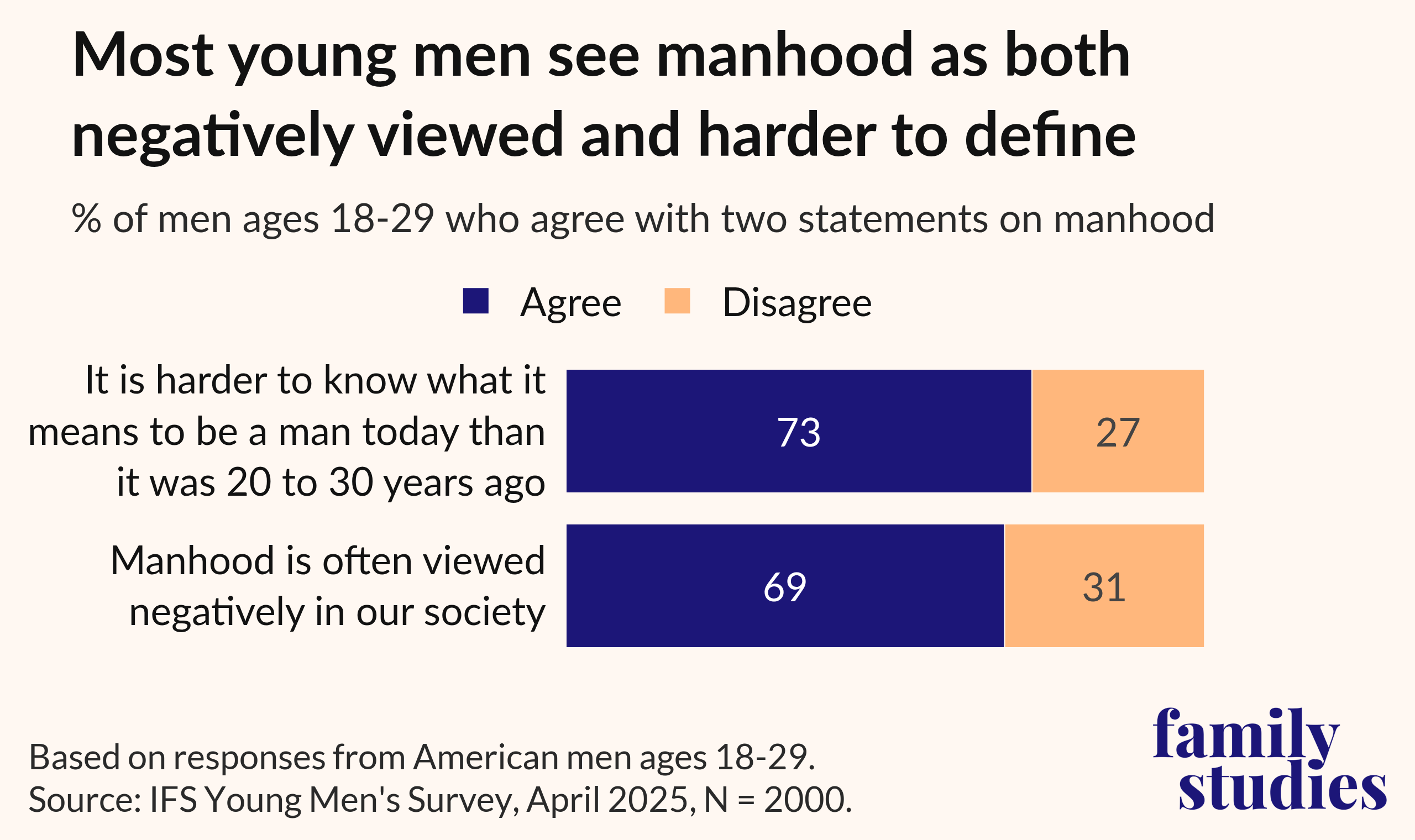
Figure 23: Percentage of young men, ages 18-29, who agree or disagree with two statements on manhood
Assuredly, manhood and masculinity have become highly charged issues. In academia, popular media, the entertainment industry, and society at large, the commentary is often highly unsympathetic and disparaging. Although critics typically state that men and male attributes are not the problem, all the rantings against the “myth of manhood” or “traditional masculinity ideology,” in the words of the American Psychological Association, have little redeeming to say about men or masculinity.
Consider one example. In a 2021 study, a group of psychologists conducted a content analysis of Psychology of Men and Masculinities, the official journal of the American Psychological Association’s division for the psychological study of men and masculinities. The purpose was to determine if men’s positive functioning was a focus of articles published from 2000 (the journal’s inception year) to 2018. The measure of “positive” was whether an article addressed any “positive constructs,” including a long list of values from achievement and leadership to resiliency and self-esteem. Of the 590 total articles published, only 15% had any positive focus. “Consistent with previous studies,” the authors wrote, the whole journal has concentrated on “male pathology and identifying men’s deficits and problems.”
In this sort of writing, masculinity is typically prefaced with “hegemonic” or “toxic,” ostensibly to differentiate the bad “traditional ideology” taught to boys from some new and better version. The “traditional” norms, ideals, and behaviors characterized as harmful, however, are part of a long and expansible list. A disproportionate focus on success, competition, achievement, and being in control are some examples of the disorder, along with aggressiveness, toughness, and such “anti-femininity” as discomfort expressing emotions and reluctance to seek help. But no list is complete and everything from wanting to be a family provider to not wanting to go to college are put down to rigid masculine stereotypes and chauvinism. Hardly anything distinctively male is left uncontested.
We gave respondents additional statements to assess whether they see any meaning or purpose in manhood. The results are presented in the following chart, and at first glance, the answer seems to be “no.” In response to the statement, “manhood is whatever a man makes of it,” around 4 in 5 young men strongly (39%) or somewhat (39%) agree. Liberals are more likely to agree with this statement (87%) than are conservatives (72%), but a majority of men in various demographic groups also endorse it. The statement seems straightforwardly subjective and relative. Manhood as a concept has no content; you interpret it any way that seems right to you. End of discussion.
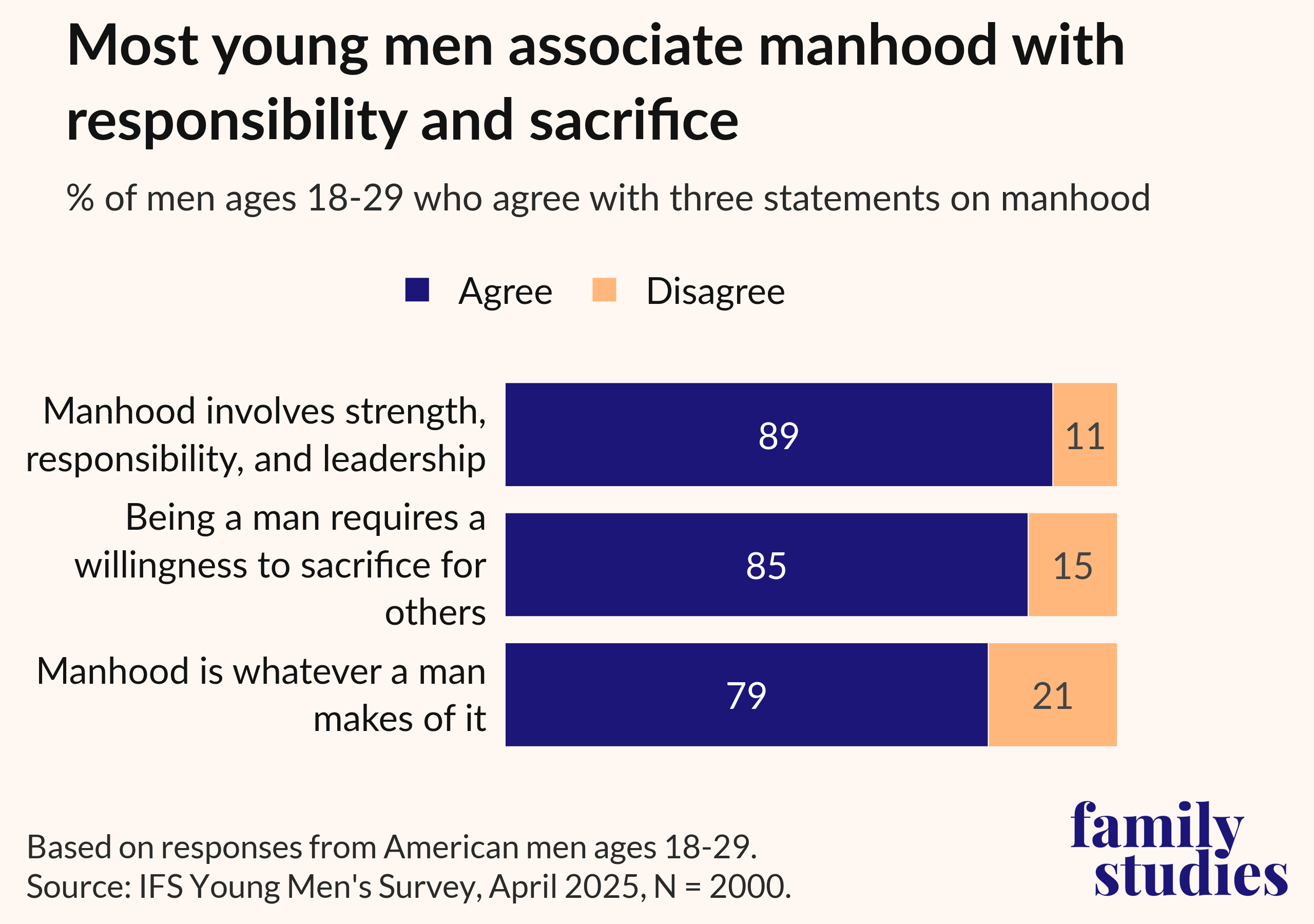
Figure 24. Percentage of men, ages 18-29, who agree or disagree with three statements on manhood
More likely, given the uniformity of agreement across other differences and the responses to our other questions about content, something else is going on. What young men seem to be affirming is the negative liberty not to be coerced. As we noted in Chapter 1, under our late modern conditions of autonomy, choice is a central imperative. Things that were once culturally defined, like adulthood, have become tasks that individuals must accomplish for themselves by their choices. With this duty comes a corresponding concern to clear away barriers or constraints so that individuals have the freedom necessary to pursue their purposes. This is “negative liberty,” and while it contributes to the problem of social formlessness, to which we will return in Part II of this report, this is likely the value that young men are endorsing. In this view, no one version of manhood should be imposed on every man.
Recognizing this liberty, however, does not mean that nothing concrete or distinctive can be said. We presented two other statements to our sample: “being a man requires a willingness to sacrifice for others,” and “manhood involves strength, responsibility, and leadership.” Both express positive character traits and qualities often associated with manhood. Both receive very strong endorsement: 89% of young men agree with the first one, and 85% agree with the second. Religious men are more likely to strongly agree with these two statements (59% and 67%, respectively) than are secular ones (41% and 45%, respectively). Similarly, while 60% of conservatives strongly agree with the first statement, and 66% strongly agree with the second statement, only 41% and 43% of liberal respondents do.
These views, presumably taught to boys when they are young, do not seem very toxic. Rather, they seem like shared aspirations to give of themselves and be a valued member of their community. Coming at the question of manhood from a somewhat more controversial angle, we gave respondents two more statements and asked them to choose the one they most agree with, even if the statement was not exactly right.
- Statement A: “Men should protect women.”
- Statement B: “Women don’t need protection from men.”
Overall, nearly 80% of young men selected statement A. This statement is sometimes characterized as paternalistic and sexist, although young women endorse it at nearly the same rate as young men. As we would expect, there is some variation. Whereas only 10% of those who identify as conservative or religious chose statement B, that was the choice of 34% of the liberal and 26% of the secular respondents. Even so, a clear majority of secular and liberal respondents still select statement A.
In the current critiques of masculinity, bad role models are of special concern. Much attention has focused on the rise of Andrew Tate and other “manosphere” influencers. Critics paint a perilous picture of millions of adolescent boys and young men being seduced by dark, misogynist content like Tate’s. The influencers, as depicted in this literature, are extremely powerful. For example, an article, published in the March 2025 British edition of Glamour, ran with the title “My Friend was Radicalised by Online Misogyny. It Really is that Easy.” The hit drama, Adolescence, which strongly implies that a normal 13-year-old boy from a good family is driven to commit murder through his exposure to the manosphere, is another example.
There are serious issues here and much to detest in the extremist views promoted online. But we wanted to know whom young men admire. For one measure of influence, we gave respondents a list of prominent men. We listed people like Barack Obama, Mark Zuckerberg, and Andrew Tate, who represent different approaches to being a man. We then asked them how much they look up to each as role models. The four response categories ranged from a “great deal” to “none at all.” A final option was: “I haven’t heard of this person.”
Additionally, we asked about people in their personal lives. How much do they look up to them as role models? The options include father, mother, leader of their religious congregation, boss at work, a coach/teacher, and the online influencer they follow most closely. We used the same four response categories, with N/A as an option if the response category did not apply to them.
The results are presented in the figure below. There are many interesting things to discuss here, but we want to focus on only three points.
First, by a wide margin, the young men in our survey look up to their parents the most. In fact, 79% look up to their mothers, and 69% look up to their fathers either a great deal or a good amount as role models. Parents are also the least likely to be viewed unfavorably as role models. Of course, parents are not always present in these young men’s lives, a problem to which we will return in Part II. Specifically, 16% of the young men in our survey did not grow up with their biological father present, and another 21% have a father who was present only part of the time. The corresponding numbers are 5% with no biological mother present and 11% with her only present part of the time. But, if their parents are present, their sons generally admire them.
Second, if we again combine the two favorable categories, the next most important role models are coaches and teachers (57%). Around one in 1 in 10 respondents marked N/A for this category. Yet, where applicable, teachers and coaches represent role models that young man can respect and look up to.
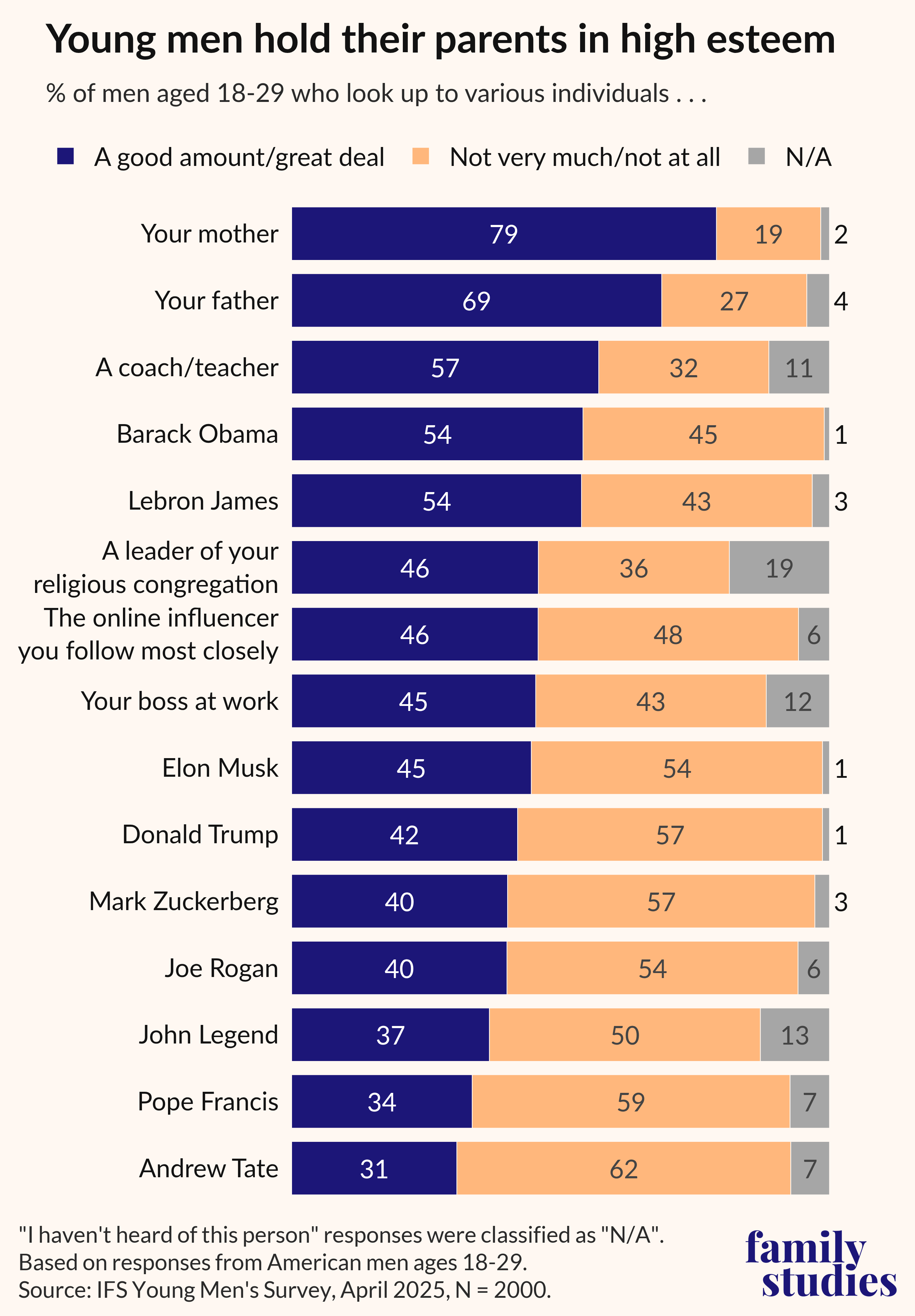
Figure 25. Percentage of men, ages 18-29, who look up to various individuals as role models
Third, the infamous influencer Andrew Tate was the least-admired man on the list, with one of the lowest percentages for “a great deal,” and the highest percentage for “not at all.” In contrast, young men are far more likely to look up to former President Barack Obama—who is no manosphere influencer—a great deal as a role model and half as likely to say not at all. Though we don’t know which online influencers they follow most closely, if any (6% marked N/A), and whether they have anything to do with the manosphere, it is perhaps notable that half of our respondents say that they look up to these individuals “not very much” or “not at all.”
Although Andrew Tate did not fare well, at least compared to the other prominent men on our list, around 3 in 10 respondents still look up to him as a role model at least a good amount. It may well be the case, as frequently argued, that Tate and others like him are contributing to a deep and potentially violent nihilism among some young men, and fostering resentment and scorn toward women among so-called “incels” (young men unable to find a romantic partner). Our survey did not have measures of such attitudes.
What we find is that there may be more complexity to the question of role models than the public discussion typically allows. An observation from an April 2024 New York Times article about support for the Trump candidacy among men under 30 may be the sort of nuance we need:
In interviews with young men planning to vote for Mr. Trump, they described feeling unvalued. They said it had become harder to be a man. They valued strength in a president. Yet they didn’t express bitter misogyny or praise the exaggerated displays of brawn embraced by the Trump campaign. Their concerns were mostly economic, like whether they could fulfill the traditionally masculine role of supporting a family.
What young men say about marriage, parenthood, manhood, and their role models speaks to a positive connection to their families, schools, and congregations, or, more often, to a desire to have that connection. In Part II of this report, we will explore what young men think about their relationships, social participation, and the loneliness and isolation that many of them feel.
Part II: What to Expect
In the coming months, the Institute for Family Studies will release Part II of this report, which will include two more chapters: Chapter 4: Social Connection, and Chapter 5: Alienation and Distress, as well as a Conclusion that discusses the implications of these many findings.