Introduction
The concept of “success” is probably permanently embedded in the American psyche, maybe so deeply embedded that we do not even realize it is there. Success may be the most universal, noncontroversial word Americans ever utter. Perhaps this stems from a blend of factors. There is the American dream that all can achieve prosperity and status through personal effort and ingenuity—that we are masters of our own destiny, free from Old World hierarchies and developing-world constrictions. And then there are the constant cultural narratives of success—from Bill Gates to Serena Williams to Taylor Swift. A society that fully buys into individualism and competition, as we do, will naturally be drawn to success as the obvious measure of our efforts.
Similarly, “sequence” seems a perfectly descriptive and benign word. Cognitively, we understand the world through cause and effect, linear progression, and step-by-step change. In computer programming and algebra, skipping steps can disrupt the entire process. In stories, a leap to the end skips the why and how, which are just as important as the what. Instinctively and scientifically, we understand that things evolve, not randomly or haphazardly, but usually in ordered, sequential ways.
Accordingly, the term “success sequence” should be comprehensible and uncontentious. Yet in the specific context used in this report—how young people navigate through key early life-course achievements and transitions (education, work, marriage, and parenthood) to create optimal social and economic environments for themselves and their children—the composite term success sequence requires careful explanation. This is especially the case if we are going to pursue public policies to teach the success sequence to American teens and young adults, as we argue in this report.
What is the Success Sequence?
The success sequence refers to a set of early life transition markers that, when accomplished in order, are associated with very low risks of experiencing poverty. Specifically, when young people (1) complete at least a high school education, (2) become employed full time, and (3) marry before having children—in that order—then 97% of them (and any kids they may have) are not in poverty in their mid-30s, and 86% reach at least the middle class.
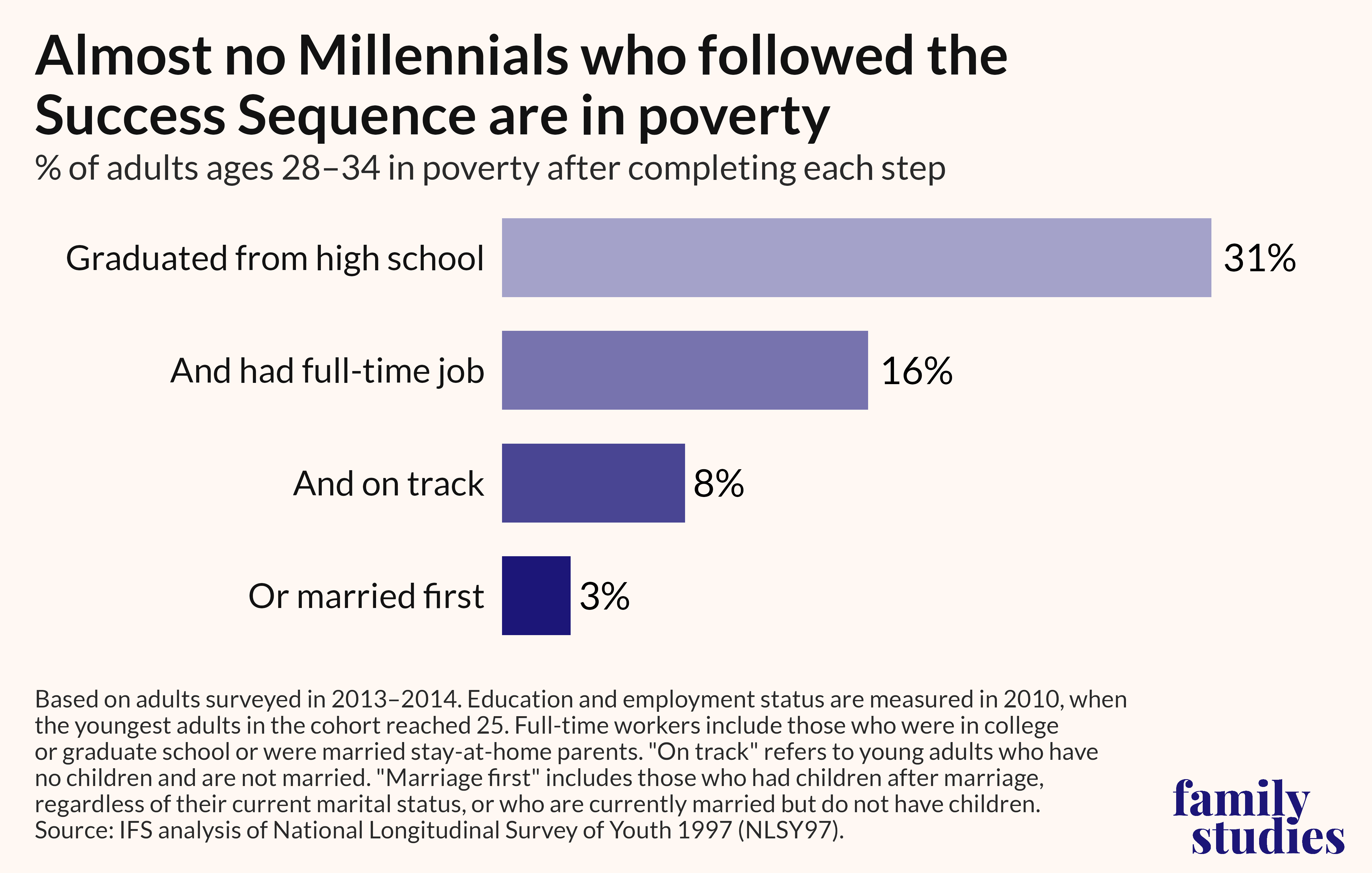
Figure 1: Percentage of Millennial adults who are in poverty after completing each step.
Source: IFS/AEI, The Millennial Success Sequence, September 2017
These findings are especially relevant for lower-income youth. Institute for Family Studies (IFS) researchers have found that 65% of upper-income Millennials have followed or are on track with the success sequence, compared to only 31% of lower-income Millennials and 49% of middle-income Millennials; they have either missed one or more steps or have gotten them out of sequence.When youth skip these steps or get them out of sequence, more than half (52%) are poor in their mid-30s. In fact, the odds of being poor as you approach midlife are more than 10 times greater for young adults who do not follow the success sequence.
Work may be the most influential factor in young adult economic success, but the other elements of the sequence still matter and, indeed, aspirations for marriage and parenting energize and sustain work. A report by the United States Health and Human Service, Office of Planning, Research, and Evaluation, drawing on the National Longitudinal Youth Study, reveals that each step of the success sequence improves economic outcomes. Completing high school, working full time, and marrying are each linked to better odds of avoiding poverty, reaching middle income, and earning a higher household income as a young adult. In addition, the same government report found that having a nonmarital birth is associated with a reduced chance of avoiding poverty, a reduced chance of obtaining middle-income status, and a lower average household income. Lack of education, work, and marriage each contribute independently to the risk of poverty, but the order or sequence of those insufficiencies also contributes to the outcomes.
And it’s not just economic success. The odds that 30-somethings are experiencing poor emotional health are cut in half for those who follow the success sequence (even after controlling for a wide range of demographic factors).
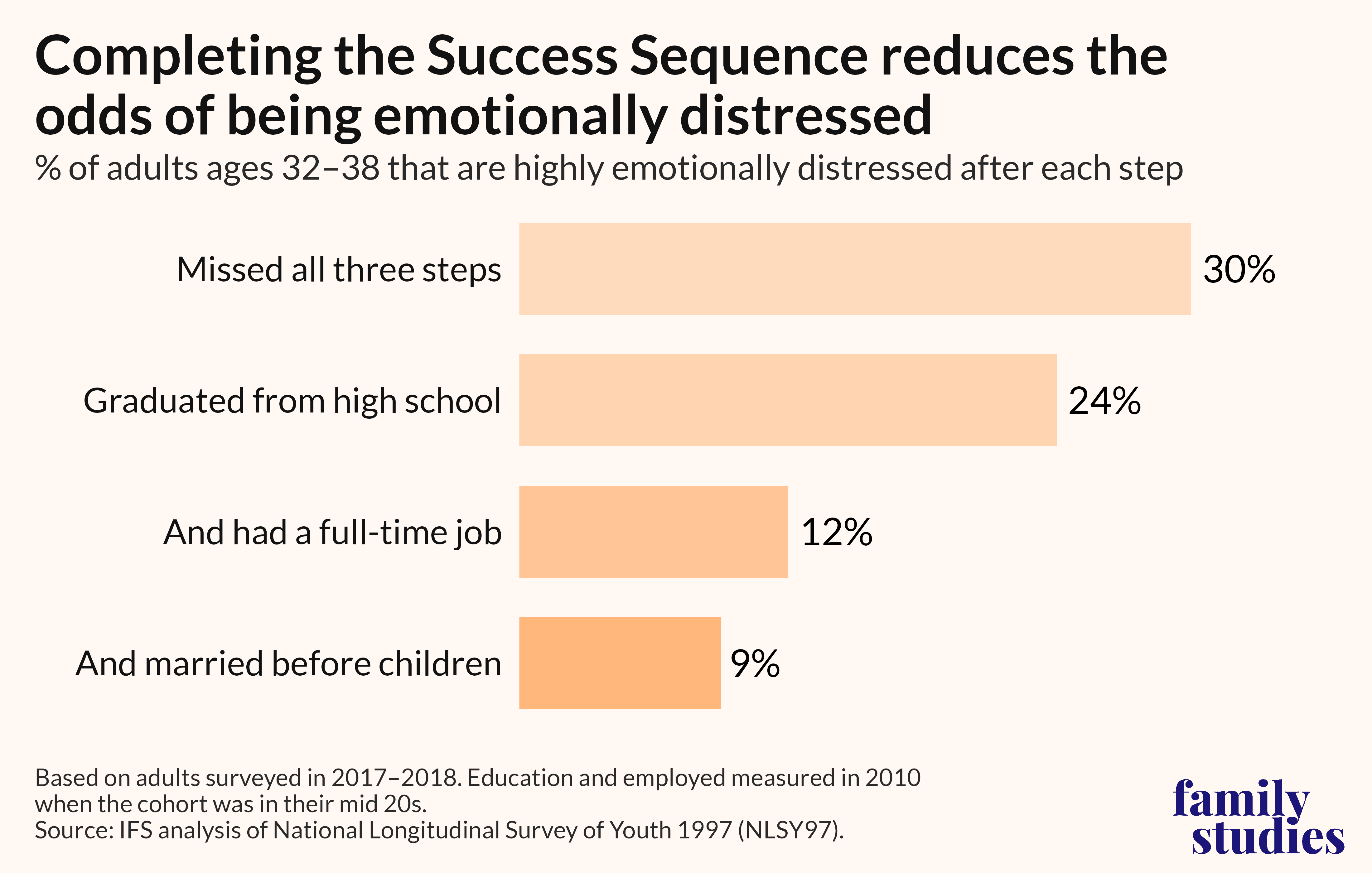
Figure 2: Percentage of adults that are highly emotionally distressed after each step
Source: IFS, The Success Sequence and Millennial Mental Health, September 2024
Young women and men who follow the sequence are also markedly more likely to forge stable families and avoid divorce. Moreover, the positive effects of this sequence of early life-course events are robust across a set of important demographic dividers. For instance, only 4% of Black Millennials and 3% of Hispanic Millennials who follow the success sequence are poor. And 80% of Black Millennials and 86% of Hispanic Millennials who follow the sequence are in the middle or upper middle class in their 30s. Only 6% of all Millennials who grow up in lower-income circumstances but follow the success sequence are poor. And only 5% of those who grow up without both biological parents in the home—but still follow the success sequence—are in poverty as adults.
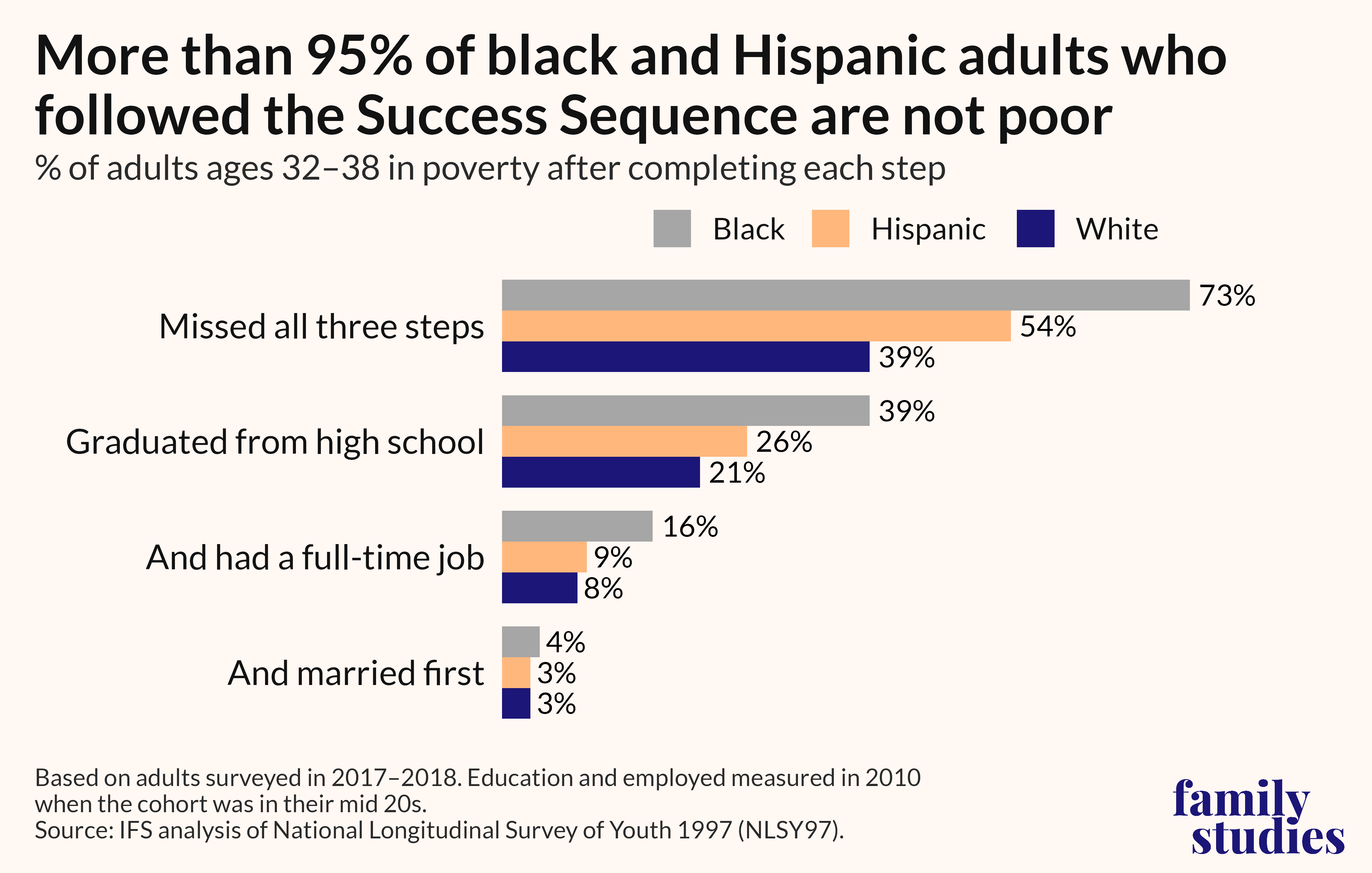
Figure 3: Percentage of adults in poverty after completing each success sequence step, by race
Source: IFS/AEI, The Power of the Success Sequence, May 2022
The Debate Over the Success Sequence
Of course, these statistics have their critics and skeptics. Because good-faith critiques deserve a response, we will address some of the most common criticisms in this section.
A Lack of Real Choice
Critics point out that the success sequence idea ignores the real obstacles that disadvantaged young people often face and cannot easily overcome. One noted critic, Philip Cohen, goes so far as to argue that many disadvantaged young people do not even have a real choice about how they structure their lives:
The idea that delaying parenthood until marriage is a choice one makes is . . . prized by the white middle class, and the fact that black women often don’t have that choice makes them the objects of scorn for their perceived lax morals.
There is little doubt that structural barriers and disadvantages make it more difficult to follow the steps of the success sequence. But we believe critics need to be careful not to describe any young person as lacking agency or accountability. We do agree with the caution of another critic, Michael Tanner:
. . . treating the poor with respect requires granting them agency, recognizing that they have the ability to make choices, and that those choices have consequences. One cannot assume that the poor are simply chaff blown by the wind, helpless and passive in the face of circumstances beyond their control. Nor can one deny them responsibility for their choices. To do so devalues the poor and treats them as less than fully human.
And as the progressive policy analyst Isabel Sawhill—an early proponent of the success sequence—has pointed out, poor Americans, like most of us, have strong feelings about personal responsibility: “They don’t want handouts; they want hand-ups and some kind of reward when they make the effort.” Policies can help with education, work, and family without rejecting the dignity that comes with self-determination and demeaning the nearly universal ethic of personal responsibility.
This no-real-choice critique has been addressed in real-life programs. Thelma Moton serves as the Executive Director of Choosing to Excel, a nonprofit organization dedicated to implementing the success sequence through youth programs across Arkansas. In response to critics, she asserts that these life choices do not pertain to moral weakness or fortitude; rather, they are related to recognizing alternative approaches, making informed decisions, having a transparent plan, and maintaining confidence in the ability to succeed.
In 1991, Moton was inspired to empower her community to pursue better lives by believing in their potential and by providing them with practical tools for success. She initiated a small group program, based on what she observed, that produced positive outcomes. Eventually, research on the success sequence emerged that validated what she had already sensed. Moton understood that the true barrier was not a lack of morals but a lack of possibility, a missing vision of what could be achieved. This vision grew into the nonprofit organization Choosing to Excel. This now well-established model helps young people proactively prepare for academic success, careers, and healthy relationships. She and her team have developed programs to show Arkansas youth they have choices and that stable marriages are achievable. Her enduring legacy is visible in the lives transformed by hope and action, exemplified by a former program participant who graduated from Yale Law School. That young lady is now working as a lawyer and establishing her own nonprofit to help other minority youth understand the path to success, illustrating what can happen when hope meets opportunity.
Moton spoke with conviction when she shared with us,
This is not about moral laxity or strength; this is about seeing a different way of doing things, understanding that choices matter, have power, and they have consequences. The success sequence is about making better choices, a clear roadmap, and believing you can achieve it.
Disadvantaged Youth Face Complex Circumstances/Challenges
A related critique is that achieving economic self-sufficiency is a more complex journey than the three straightforward steps of the success sequence imply. The complex circumstances disadvantaged young people face constrict the choices they can reasonably make. “But that is also why [the success sequence] matters,” according to IFS researchers, who note: “Young adults who manage to follow the sequence—even in the face of disadvantages—are much more likely to forge a path to a better life." And, they further point out, that pathway runs sequentially “through America’s three core institutions: education, work, and marriage.” In the face of significant disadvantage and a steep climb toward self-reliance, navigating these choices around education, work, marriage, and childbearing is even more important. The complexities these young people face leave little margin for error.
Again, there is a track record of organizations addressing this critique head on. Anthem Strong Families in Texas and The Ridge Project in Ohio have both provided sustained guidance and support for more than two decades for individuals navigating complex life circumstances, successfully facilitating all three steps of the success sequence. These evidence-based initiatives demonstrate that it is possible to re-orient one’s trajectory and achieve positive outcomes, regardless of the starting point or complex circumstances. These programs are specifically designed to address significant life challenges, with a mission focused on assisting vulnerable populations whose paths may not follow a traditional sequence.
Ron and Cathy Tijerina, founders and codirectors of The Ridge Project, have drawn on their personal experiences for 25 years to emphasize the significance of each stage in the success sequence. They continue to demonstrate commitment to supporting individuals involved in the justice system. Programming offered by The Ridge Project facilitates GED attainment, securing stable employment, and enhances future opportunities for families facing adversity through healthy relationship and marriage education. In addition, their programs offer support to young people whose parents are involved with the justice system, encouraging them to follow the success sequence and helping parents reestablish stability in their lives.
Research Limitations
Methodological critics of the success sequence rightly point out that the importance of sequencing needs to be confirmed by longitudinal studies, not just the point-in-time perspective that researchers have relied on to date. Studies that follow people over time are challenging to conduct, but they are needed to confirm what the cross-sectional studies suggest. So, some modesty in speaking about the value of the success sequence is appropriate while we wait for more definitive answers from more sophisticated research.
Success Can’t Be Taught
Critics also claim that we do not have direct evidence that the success sequence can be effectively taught, learned, and followed. But we believe there is emerging evidence to support the value of teaching the success sequence. For instance, studies of the curriculum Love Notes, which teaches relationship literacy to youth, offer some insight and hope. Studies have found that Love Notes significantly improves relationship skills and attitudes that support relationship pacing. Likewise, programs such as Tyro and Choosing the Best, which also incorporate the success sequence, demonstrate positive outcomes in evaluation studies.
Although evaluation results are mixed, they are promising. Further study is needed to assess the outcomes of teaching the success sequence. It may be too early to know for sure what the effects of teaching the sequence will be on economic self-sufficiency as youth mature into their 30s. But we believe the empirical evidence cited here is solid enough to propel states forward. Many scholars argue that we know enough now to be able to move forward with reasonable confidence that a deeper understanding of the success sequence is likely to create economically and relationally healthier young adults.
Stigma and Morality
Critics of the success sequence, like Matt Bruenig of the People’s Policy Project, also point out that teaching the sequence might stigmatize those who do not follow that path, and that a failure to achieve economic self-sufficiency risks putting the blame solely on individual choices, ignoring structural disadvantages.
This is not a throwaway critique. How we teach the success sequence to youth matters. Here, we agree with Isabel Sawhill that the success sequence is best taught in schools as an analytical device to show a well-worn path to adult success, rather than as a strong normative framework of should and should-nots. Besides, many contemporary young people instinctively resist accepting strong normative frameworks. And school boards divisively argue about them. An empirically supported, well-worn path to success is a more appealing approach to teaching the success sequence than lectures on morals.
Moreover, empirically, the success sequence path is much more likely to achieve positive outcomes than other, experimental routes. Further, a large majority (69%) of unmarried young adults today say they want to marry someday, even if they think it is no longer essential for a fulfilling life. Accordingly, we think teaching the success sequence—in an appropriate way—will be well received by a large proportion of today’s youth.
Narrowness and Hubris
Social conservatives can be semi-skeptical about teaching the success sequence, too. Patrick T. Brown, with the Ethics and Public Policy Center, reminds us:
. . . we should be extremely humble about the potential for any top-down effort to change students’ horizons through curricula—as well as the limitations of an excessively materialistic definition of ‘success.’ The ultimate goals the traditional ‘Sequence’ tries to promote in its narrow way—developing the habits necessary to graduate high school, hold down a job, and be a dependable spouse and parent—are laudatory. But the success we should encourage students toward should be a life well-lived, of which marriage, for most people, often plays a part.
Furthermore, humility—especially with regards to the potential of new educational initiatives—is wise counsel. Rossi’s iron law of evaluation asserts that the expected effect of any large-scale social policy intervention is zero. Still, the need is such, it seems to us, that we should experiment with what might be possible, not dismiss out-of-hand what might fall short.
Government Intrusion
Some libertarian critics object to government influence in what are ultimately personal matters such as dating and mating, and even education and work choices. We generally respect such concerns. Pragmatically, we should be careful about government intrusion into personal matters because we can struggle to find the right policy levers to pull and even cause unintended harms. And we should be concerned about whether investment of government dollars will yield sufficient benefit.
But we view the constitutional charge to “promote the general welfare” more broadly than libertarians do. What other serious societal concerns of a personal nature should be exempt from public concern and collective action? Our national fertility rate has fallen to such a low level for a long-enough period that we face potentially serious economic and social consequences to our shared future. Policy makers from across the political spectrum are weighing in on what can be done to address this problem. And for more than two decades, policy makers have been worried about the health consequences of increasing rates of child and adult obesity. Do the real public costs to our healthcare system justify policies to try to influence personal nutrition and exercise decisions. More recently, a dramatic increase in mental health problems among youth and young adults is prompting widespread consternation and policy action. We don’t know how policy initiatives for such personal matters will ultimately fare. Some skepticism is reasonable. But we need to at least explore what collective action can achieve, to try to find cost-effective, privacy-respecting policies that employ intelligent responses to some of the most serious challenges of our time.
Personal Success vs. Commitment to Others
Another friendly critic of the success sequence concept is the influential conservative political philosopher, Yuval Levin. He worries about the “coldness” and “thinness” of the success sequence when used as a guiding force in young adult lives:
Is a successful life really shaped by four individual choices made in the right order? Maybe that’s a way to help people avoid giving into temptation at a critical moment… But it is not a way to persuade human beings to overcome passivity and paralysis and jump into life.
A fuller understanding of flourishing would see it as achievable not by a proper sequencing of solitary choices but by a proper layering of embedded commitments to others—to parents and siblings and teachers, to coworkers and colleagues and mentors, to a beloved wife or husband and to the children you have together, to neighbors and friends, to God and to country.
Such a vision of a life well lived in loving commitment to others stands a better chance of showing people both what they have to gain by coming off the sidelines and what they have to lose by recklessness.
We grant Levin this constructive point. But part of the perceived thinness of the success sequence, we think, lies in the existing implementation of programming that is disjointed and leaves young people with the burden of linking together key concepts of the success sequence that their states already implement. It is better conceived as a roadmap with guardrails along the way to prevent veering onto rough roads that initially look adventurous but eventually lead to nowhere. We recommend teaching it as a means, not an end. This approach is captured in an infographic designed under the direction of Connie Huber for a report for the Family and Youth Service Bureau within the U.S. Department of Health and Human Services (please download the full report to view the infographic).
Is There Public Support?
Finally, do these various concerns about the success sequence raised by well-meaning critics register with the public? Apparently not so much: the success sequence is overwhelmingly popular with American parents. More than three-quarters of American parents favor teaching the success sequence in schools, including nearly 80% of Gen Z’s and 70% of Millennials, 74% of non–college educated Americans, 72% of Democrats, and—importantly—73% of those who did not adhere to the sequence themselves.
A lack of popular support among those whom we might expect to be less enthusiastic is not a barrier to moving forward. And teaching the success sequence to American youth does not have to divide red and blue states (although states undoubtedly will craft programming to align more with their ideological leanings). We believe we can move forward with a robust effort to scale up teaching the success sequence with sensitivity to its critics and with popular support.
How Do We Operationalize Teaching the Success Sequence?
How do we move the success sequence from an abstract and debated academic concept to a scaled, real-world intervention? How do we go beyond talking and writing about it to doing something meaningful for the next generation to increase their chances of early-life success? And are there feasible public policy measures we can take to go from concept to drawing board to successful social intervention?
Since 2006, the federal Administration for Children and Families has funded community organizations serving youth and young adults to help them form healthy relationships, some of which include teaching about the success sequence embedded in more intensive relationship literacy curricula. But the funding for these programs is limited and cannot meet the full demand and need. We do not believe that federal funding alone can fully address the need for teaching the success sequence.
Instead, a multi-state, federalist experiment ultimately will be more effective than a top-down, one-size-fits-all model, allowing states (often in better fiscal positions) to lead these efforts, without jeopardizing existing federally-funded programs. States should have skin in the game when it comes to helping young people form and sustain healthy relationships and stronger marriages and not rely exclusively on federal initiatives.
So, what should states do and how should they do it? Below, we outline some key principles and feasible action steps to support state initiatives to teach the success sequence to the next generation.
Scaling Up Teaching the Success Sequence at the State Level
We begin with a brief discussion of three basic foundations that should guide these efforts.
First, it is important to recognize that some efforts to teach the success sequence may already exist in a particular state. Scaling up efforts needs to start by cohesively linking any already-implemented local success sequence programs to a broader system-wide approach. Research consistently shows that the most impactful and sustainable results are achieved when both local and targeted, and broader, system-wide interventions are used in tandem.
Second, states should not neglect traditional policies that support the success sequence. They must work to ensure youth have good schools, high graduation rates, and affordable higher educational opportunities. States also can maintain strong economies with plentiful entry-level jobs to support young adults’ efforts to follow the success sequence to self-sufficiency and well-being. Accessible job-training programs and affordable technical education are also important. Moreover, almost all states can do more to expose young adults to the skills and character traits needed for a healthy and stable marriage by supporting access to healthy dating and relationship education.
Several states, including Ohio and Arkansas, already understand this and have made investments in implementing career and college readiness initiatives. Ohio reaches toward the success sequence with the Ohio Means Jobs Readiness Seal that rewards motivated students to “work with a mentor to validate demonstration of each skill across a minimum of two of the three environments. The three potential environments are: 1) School, 2) Work, and 3) Community.” Similarly, Arkansas implements tools and assessments called Student Success Plans, which address preparation for college, career, and community engagement by teaching youth to develop decision-making skills and career plans.
These states also make parallel investments in healthy relationship education. Together, the three steps of the success sequence are currently being addressed. By adding investments in a success sequence initiative, these currently siloed efforts become synergetic. They are not interchangeable, nor should they be melded together. Adding standards and assessments about the success sequence is an easy and logical way to scale up current efforts. Expanding support to existing initiatives that buttress the success sequence is another feasible step states can take.
Third, states need to implement a holistic, system-wide approach. While federal and state funding has helped address critical components of the success sequence, particularly through targeted curricula focused on reducing teen pregnancy and promoting healthy relationships, it has, by and large, addressed only a single facet of the success sequence rather than the broader framework. By linking these kinds of existing efforts to state standards that also require instruction in education completion and job readiness, we can offer youth a more holistic and actionable roadmap through a system-wide approach. For example, The Dibble Institute’s impressive Love Notes curriculum is designed to help young people (ages 16–24) make wise relationship and sexual choices, with the understanding that such choices support educational attainment. At the same time, targeted programs can sustain reductions in teen pregnancy and help buttress the larger goals of the success sequence. Still, to truly equip the next generation for success, we must move beyond treating the elements of the success sequence in isolation. When young people hear consistent messages across channels and perspectives, these lessons are much more likely to take root, moving the success sequence from a theoretical idea to a lived reality.
The Ridge Project in Ohio is a good illustration of a program using both a system-wide and targeted approach. Their programs exemplify this by delivering targeted support to those most at risk, such as those who are involved in the justice system, while also implementing system-wide initiatives for middle and high school students. Over its 25-year history, The Ridge Project has received multiple awards and undergone more than a dozen independent evaluations. This concrete example demonstrates how integrating targeted programs with broader, system-wide efforts can maximize positive outcomes, providing a clear roadmap for effective state-level action to teach the success sequence. It is also evidence that efforts can be coordinated and scaled.
Feasible Action-Steps for Teaching the Success Sequence
Building on these three foundations, states are better positioned to take strategic and concrete steps to integrate the success sequence into their educational systems. By doing so, they can equip young people with the knowledge and support necessary to pursue positive educational, career, and relationship outcomes—setting them on a path toward greater opportunity, self-sufficiency, and well-being.
Here are some feasible, concrete action steps that states can take:
1. Work with the State Board/Office of Education—and legislature, if needed—to require teaching the success sequence in public schools.
The most efficient way to reach nearly all youth is to develop state standards and benchmarks that implicitly or explicitly include the success sequence and measure students’ knowledge against the standards. This can be a lengthy and complex process, but it is essential to support teaching efforts long term. Next, this should be accompanied by a plan to embed success sequence lessons into a required course (or courses) that all young people will take.
Many states already have learning standards in place for financial literacy, career preparation, social and emotional learning, and social studies, each representing key components of the success sequence. While these efforts are valuable on their own, the success sequence provides a unified framework that brings them together under one cohesive umbrella. By aligning or refining state standards, objectives, and benchmarks to reflect the full success sequence, states can more effectively connect these important areas, helping young people see how each step fits into a bigger picture of lifelong success. This approach moves beyond teaching each skill in isolation and instead highlights the powerful impact of combining them through an integrated strategy.
Next, states need to make sure these standards are actually followed by putting strong accountability systems in place and, just as importantly, by providing real support for teachers. This support might include offering a model curriculum. For example, one research-based curriculum was developed by Connie Huber and Brad Wilcox in partnership with the Institute for Family Studies and distributed by Tyro Support Services. Adopting such a curriculum, or one with similar research grounding, will help schools implement the success sequence quickly and consistently.
Finally, states should use benchmarks to measure how students are doing and set up regular checkpoints to keep students on track. This step-by-step approach, supported by standards, objectives, benchmarks, and a model curriculum has worked well for other school initiatives like drug, alcohol, and tobacco prevention programs, and can enhance success here as well.
Programs like these are already making a tangible difference in the lives of students. Recently, Choosing to Excel implemented a pilot of the model curriculum, The Secret: Secrets, Sequences, and Successes, in the Delta Region of Arkansas. Executive Director Thelma Moton shared these student comments with us about the program:
- “Career planning isn’t just about picking a job—it’s about making smart choices at the right time. The success sequence helped me understand that finishing school, getting work experience, and making responsible decisions about family can set me up for long-term success. I feel more confident about my future after working on this.”— High School Student
- “I didn’t realize how much finishing school and getting a good job first matters. I now understand that being a single parent is hard, and it can really put you in a tough spot money-wise. This opened my eyes to what my mom is going through."— High School Student
These firsthand reflections demonstrate the real-world impact that a research-based curriculum can have on students’ understanding and motivation. By connecting the lessons of the success sequence directly to their own lives, students gain practical insights and a stronger sense of agency for their futures.
2. Integrate these standards into classroom practice through the following strategies.
Managing the “dosage dilemma” will be a primary challenge. Implementation science research tells us that a single lesson on a subject may bring some degree of student awareness but falls short of impacting behavior. Integrating a single lesson on the success sequence into a required course is tempting. After all, the principles are intuitive and not particularly complicated, and most courses have little wiggle room for additional content. But the evidence is against “one-hit wonders.” On the other hand, a full curriculum will enhance the chances of deeper learning and behavioral change.
The practical logistics of integrating a full curriculum on the success sequence (say, 8–10 hours of instructional time) will likely collide with the hard necessity of eliminating some course content to make room for the extensive new material. Success sequence advocates will need to work together effectively and patiently with curriculum developers, school administrators, and teachers to find the right balance. We suspect the most common resolution of this “dosage dilemma” will be integrating three to four drop-in modules/lessons into existing, related curricula, for 3–6 hours of learning time. This approach will be easier to implement in the school trenches and run up against less educational red tape and bureaucracy.
One example of this is The Secret: Secrets, Sequences, and Successes, developed as a model curriculum by Huber and Wilcox, in collaboration with the Institute for Family Studies. It can be taught in a single class period but is most effective when taught across several class periods. These modules were developed for classroom teachers to implement, but they can be used in other non-school teaching contexts.
Further tips for classroom implementation include the following suggestions:
-
Consider adding lessons in multiple courses, both required and elective, rather than a single course. The success sequence is relevant to health, psychology, sociology, family and consumer sciences, financial literacy, and other courses. Each course could emphasize slightly different aspects of the success sequence most relevant to the course focus.
-
Consider adding drop-in lessons at multiple grade levels, tailored to the students’ developmental stage and needs in a multilayered approach rather than a one-time exposure. Students’ social development needs change rapidly during adolescence and lessons can be tailored to address those changing needs over time. Repetition of content absorbed in a previous grade reinforces learning.
-
Adding success-sequence learning to required courses will facilitate exposure to all students. However, elective courses may be more receptive learning environments compared to required courses. Students often bring less motivation to required courses. Choosing to Excel is a program in Arkansas that implements programming in a variety of courses such as math, social studies, and financial literacy, using a curriculum that focuses on each of the steps of the sequence, giving adequate time on each concept. They align closely with the Arkansas Career Readiness standards for high school students. Consider integrating success sequence concepts in both required courses—for a broader reach—and in elective courses—for more conducive learning environments.
-
Wrestle with the advantages and disadvantages of using an existing curriculum versus developing your own. Good success sequence curricula–at nominal cost and open to minor adaptation–are available and will reduce start-up time, hassles, and costs.[i] But some states, school districts, and instructors will prefer to develop their own curricula, tailoring decisions of how best to teach the success sequence to their unique population of students. (Of course, these should align with the research and the benchmarks established by the State Board of Education.) States should avoid undermining programs already implicitly promoting the success sequence, recognizing the contributions of curricula like Love Notes and Choosing the Best in reducing teen pregnancy and supporting healthy relationship development.
-
Where possible, consider making online versions of success sequence lessons available to students. Again, one example is The Secret: Secrets, Sequences and Successes modules, which can be teacher-led or independently student-led. They offer more standardization of the actual lesson content. Not all classroom instructors will be well-trained to teach the success-sequence content, and they can sometimes drift from the lesson plan in ways that undermine the core message. This risk is higher when teaching potentially controversial subjects, where personal ideologies may not align with the principles being taught. Online, student-driven lessons can reduce these risks.
-
Schools should move from simply mentioning the success sequence in passing to making it a tangible, practiced part of students’ lives. They can do this by embedding focused lessons and activities for each step throughout the curriculum. Consider a comprehensive, multi-layered approach that ensures that students don’t just hear about the success sequence casually but gain practical skills and support for each element. Prioritize programs that give equal attention to each step of the success sequence rather than treating it as a quick add-on or a side note within another curriculum. Effective model programs, such as Choosing to Excel, The Ridge Project, Anthem Strong Families, and Love Notes make the success sequence a central focus. They do this by providing targeted programming for every step by offering after-school tutoring and academic mentoring, career readiness support, and healthy relationship education.
3. Invest in social media and traditional media campaigns.
Formal lessons on the success sequence are important. But teens and young adults today are digital natives and absorb messages via various social media platforms. We shouldn’t underestimate the power of creative, viral messaging as a supplement to formal instruction. States should invest in an ongoing social media campaign. These messages can reach many at a lower cost than PSAs of the past with the same impact. And there is emerging evidence that well-designed social media campaigns can nudge knowledge, attitudes, and beliefs and initiate behavior change. It may be wise to target some traditional-media messages to parents and other older adults, as well, so that they can reinforce the messages that their children are receiving through other means.
4. Create a first-year experience initiative for embedding the success sequence as a roadmap for freshmen attending technical schools, community colleges, and universities.
Don’t forget about 18–25-year-olds; they are living in perhaps the most crucial success sequence years of their lives. Even if most were exposed to success sequence lessons in high school, repeat exposure and deeper development of success sequence concepts will benefit young adult students who are becoming more active in developing romantic relationships and making sexual choices. Many colleges and universities have mandated first-year experience instruction as a part of the graduation requirements. For instance, in Ohio, the University of Cincinnati’s Great Beginnings, a first-year initiative course, includes topics such as establishing healthy relationships, professional and career readiness, and serving society (topics that align well with the success sequence). Advocates should target these kinds of first-year experience initiatives for teaching success sequence principles.
5. Organize and empower a formal state commission to oversee efforts to scale-up teaching the success sequence and other marriage-strengthening efforts.
Getting from conceptual A to effectively implemented Z is hard work. These recommended action steps take both strategic leadership and a lot of day-to-day grind. States should organize a formal commission or office to oversee the success sequence initiative and other marriage-strengthening activities. This can be done with a lean staff. But they need to be funded appropriately. Funding can come from federal TANF block grants to states that are explicitly designed to support these kinds of educational purposes (but seldom are). States can also consider setting aside a portion of marriage license fees for this work.
The commission can be hosted in several different places, such as a Governor’s Office, Department of Human Services, State Office of Education, or a land-grant university Extension Service. Alternatively, states can contract with a private organization with appropriate expertise to lead and manage these efforts. It may be helpful to some readers to try to illustrate with a real-life example one state’s efforts to scale up teaching of the success sequence. In the Appendix (availabe in the full PDF of the report), we have included a narrative of Utah’s efforts in this area to help highlight the above principles and steps.
Conclusion
"Optimism is America’s birthright." We don’t acquiesce to problems; we press to solve them. In this report, we have outlined key foundations and feasible actions that states can take to scale up the teaching of the success sequence that will increase the chances that young people will find success in life. A key action step is for schools to ensure that youth understand the success sequence. We have offered a number of recommendations here for how to do this, many informed by actual experiences in Utah, Ohio, Arkansas, and elsewhere.
Too many young American adults are struggling to achieve self-sufficiency and form and sustain healthy relationships and strong marriages. But there is a set—and sequence—of known life events that, when followed and achieved, nearly guarantee young adults will avoid poverty as they approach midlife and dramatically increase their chances of reaching at least middle-class life. When youth get at least a high school education, become employed full time, then marry—before having children—they become self-sufficient, enjoy better mental health, and integrate themselves into a life-script of deep meaning and connection.
Teaching the success sequence to all youth does not trump the public need to build a society with good educational opportunities, better employment prospects for young adults, and a positive cultural orientation towards the fundamental institution of marriage. But working together, these policy and classroom efforts can reinforce each other and assist more youth in achieving their aspirations for success.
*To view the Appendix and endnotes, please download the full report.