Executive Summary
Birthrates have been declining precipitously throughout the United States since the Great Recession and more broadly since the postwar Baby Boom. Within this broad trend, a fertility "gap" has emerged between the American left and right. This report, based on survey results from a sample of over 7,000 Americans ages 18-54, analyzes ideological differences1 in anxieties related to parenting and self-perceived competence. To a limited extent, this report finds that liberals are more likely to cite certain anxieties related to fertility decisions relative to conservatives. For each of our sections, we find that the differing survey responses account for significant differences in fertility outcomes.
Here are our major findings:
- Liberals have fewer children than conservatives. Conservative respondents report 1.40 children compared to 1.09 for liberals. Similarly, 51% of liberals report zero children compared to 40% for conservatives. Both of these differences are statistically significant.
- Parenting concerns are more prevalent among liberals than conservatives. For example, 18% of liberals are unsure whether they would be a good parent, compared to only 9% of conservatives. Similarly, whereas 36% of liberals view parenting as “very complicated, difficult, and stressful,” only 24% of conservatives do. Given that both beliefs are associated with fewer children, their increased prevalence among liberals may help explain the ideological fertility gap.
- Liberals are more likely to report genetic and mental health concerns. For example, 18% of liberals, but only 10% of conservatives, report worries that they will pass on bad genes or inheritable conditions to their children. Similar percentages of liberals (19%) and conservatives (10%) say that their mental health is currently not good enough for them to have children. Both statements are correlated with lower numbers of children—and may thus shed additional light on the conservative-liberal fertility gap.
Together, these findings indicate that concerns about parental competence, stress, mental health, and genetic conditions might, at least in part, account for the emerging fertility divergence between the American right and left.
Introduction: The Gap
It is a well-known fact that fertility has been decreasing across America over the last 65 years, yet the growing partisan fertility gap has only recently emerged as a measurable phenomenon. Research from 2024 found that, among women who were born in the years 1975 through 1979, conservatives had 2.1 children, moderates 1.8, and liberals just 1.5. Further research conducted by IFS in 2024 showed that more conservative counties have a dramatically higher number of children than more liberal ones.
Recent literature also shows that the number of desired children also differs between liberals and conservatives. For example, a 2024 study found that the gap in desired children has existed between the left and right since 1989, the first year they began tracking for the discrepancy. In this paper, the gap was initially explained by differences in religiosity between the two groups.
However, in recent years, this gap has grown and can no longer be explained purely by religious differences. Ideological gaps in desired and actual fertility exist in our survey results as well. Among Americans ages 18-54, liberals have 1.09 children on average whereas conservatives have an average of 1.40 children, a difference of 29%. This gap proves statistically significant even when accounting for several important confounding variables including sex, religion, race, income, age, marital status, and education.
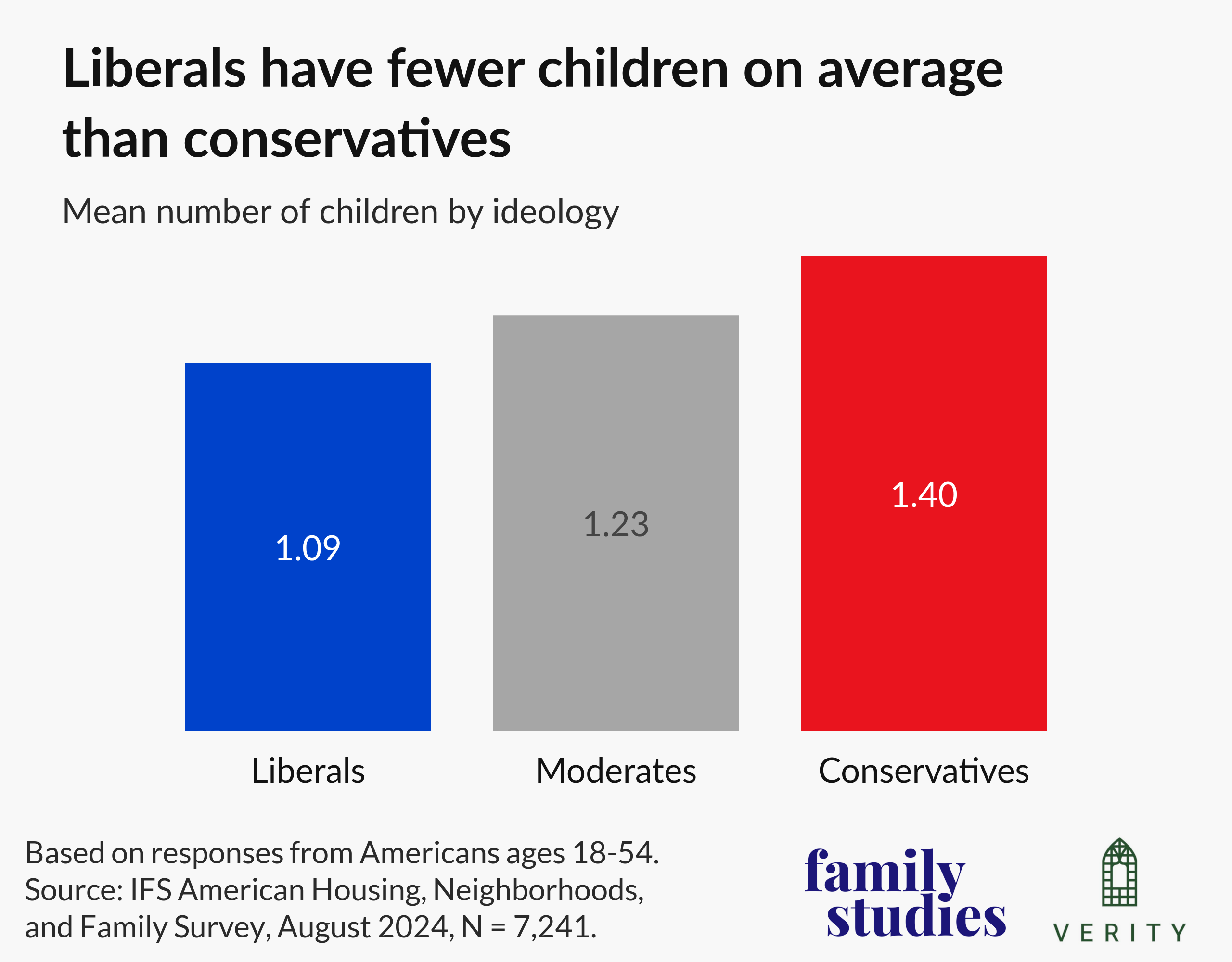
Figure 1. Mean number of children by ideology
This gap also manifests itself in accordance with the ideal family size. When asked within our survey if a person could choose exactly the number of children they wanted, conservatives report 2.71, moderates 2.43, and liberals 2.16. The differences between conservatives and both moderates and liberals remained statistically significant after accounting for our selected control variables. Lyman Stone, the director of the Pronatalism Initiative at IFS, and Scott Yenor reported that the partisan gap is only appreciable after 1994, meaning that this ideological gap in fertility preferences is a relatively recent discovery.
Much has already been said about the emergence of this gap. However, much less has been done to explore the underlying reasons why this gap exists. This brief’s objective is to further the discussion of what these reasons might be. While survey data limits our ability to make conclusions about causality, we can still explore and identify the characteristics of this disparity.
We find that the ideological fertility gap operates along two related dimensions. First, conservatives report substantially greater confidence in their ability to parent well. Second, liberals are significantly more likely to be anxious about their mental health or genetic conditions.
Liberal and Conservative Views on Parenting
We find that concerns about parenting have a particularly strong relationship with fertility outcomes. When people are not sure they would be good parents, or when they perceive parenting to be incredibly difficult and stressful, they have dramatically fewer kids than those who do not. We also find that liberals are more likely to endorse these concerns than conservatives.
The following chart shows a notable difference in parenting fears between liberals and conservatives, with 18% of Liberals unsure whether they would be a good parent compared to only 9% of conservatives. A large majority of both groups do not believe they would be bad parents. However, among those who fear being a bad parent, the partisan gap is quite large—and, even when controlling for parental status and other variables,2 statistically significant.
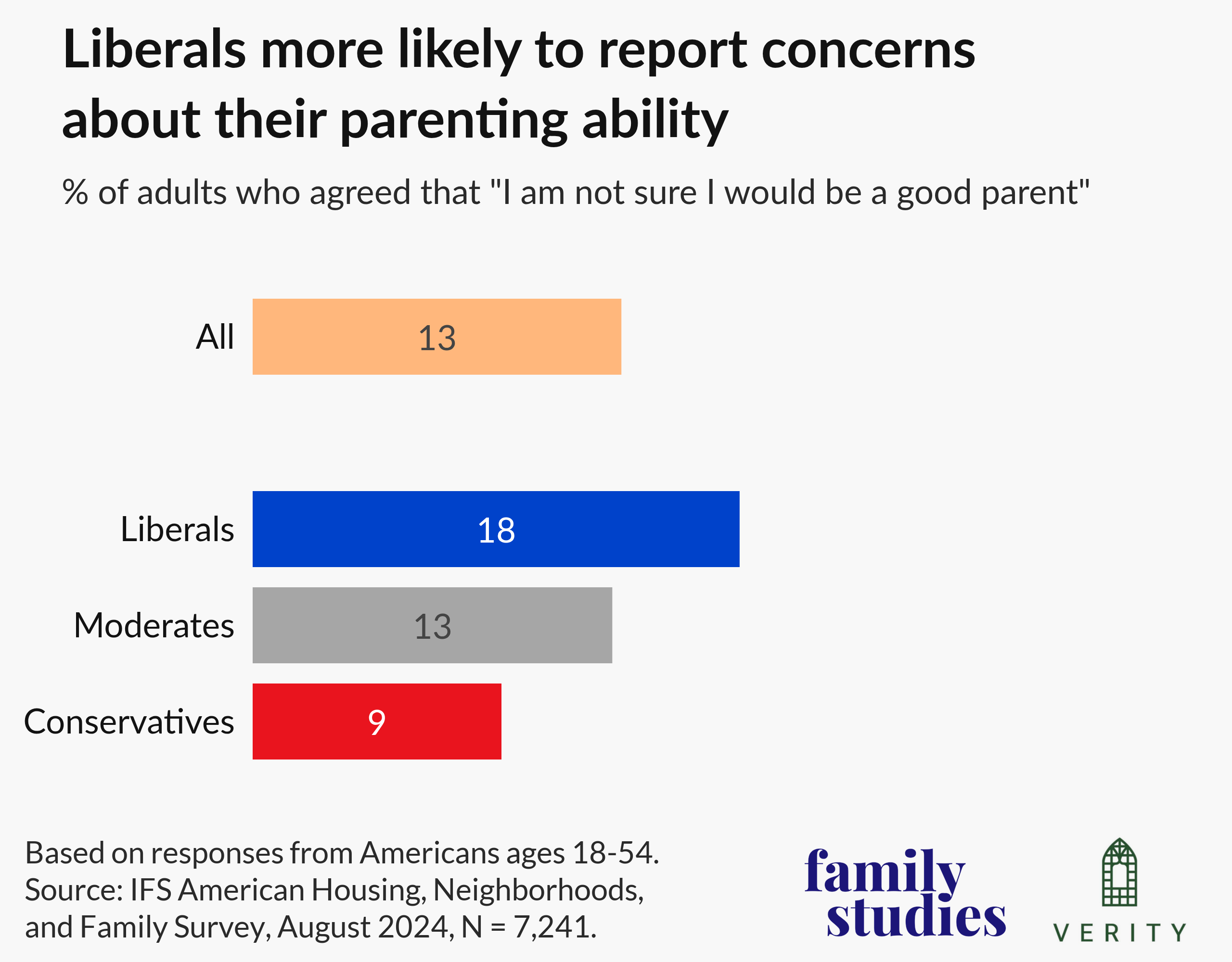
Figure 2. Percent of adults who agreed with statement, by ideology
Liberals are more likely to express uncertainty about their parenting ability. We can only hypothesize why this is, but it may relate to a greater sense of anxiety around parenting in general.
Regardless of why this difference exists, it correlates closely with decreased fertility. Individuals who fear they might be bad parents have, on average, 0.50 kids compared to 1.35 children among those who think they would be good parents. In other words, respondents who believe they might not be good parents report 63% fewer children on average than those who do not hold this belief. It is hard to overstate how significant a difference this is. It represents the largest difference observed among the variables examined. This speaks strongly to the power of perceived competence in parenting.
As already shown, liberals are likely to hold this belief to a much higher degree than conservatives. It follows that one reason the fertility gap exists is that liberals have greater reservations about their ability to parent. In fact, after controlling for uncertainty about being a good parent, the difference in childlessness percentages between conservatives and liberals is no longer statistically significant.
Viewing parenting as difficult could also influence one’s fertility. Those who see parenting as stressful and complicated have only 1.05 children on average compared to 1.31 among those who do not. Thus, respondents who hold this perception around parenting have, on average, around 25% fewer kids—a significantly lower number. This is an intuitive gap, given that many people try to avoid things they find to be incredibly stressful and difficult.
As with doubting one’s parenting abilities, we find that characterizing parenting as difficult also varies by ideology. Significantly fewer conservatives (24%) see parenting as “very complicated, difficult, and stressful” compared to liberals (36%). This gap, which remains significant when controlling for other potential explanatory variables (including parental status), gives credence to the idea that liberals view parenting as a more costly endeavor than conservatives.
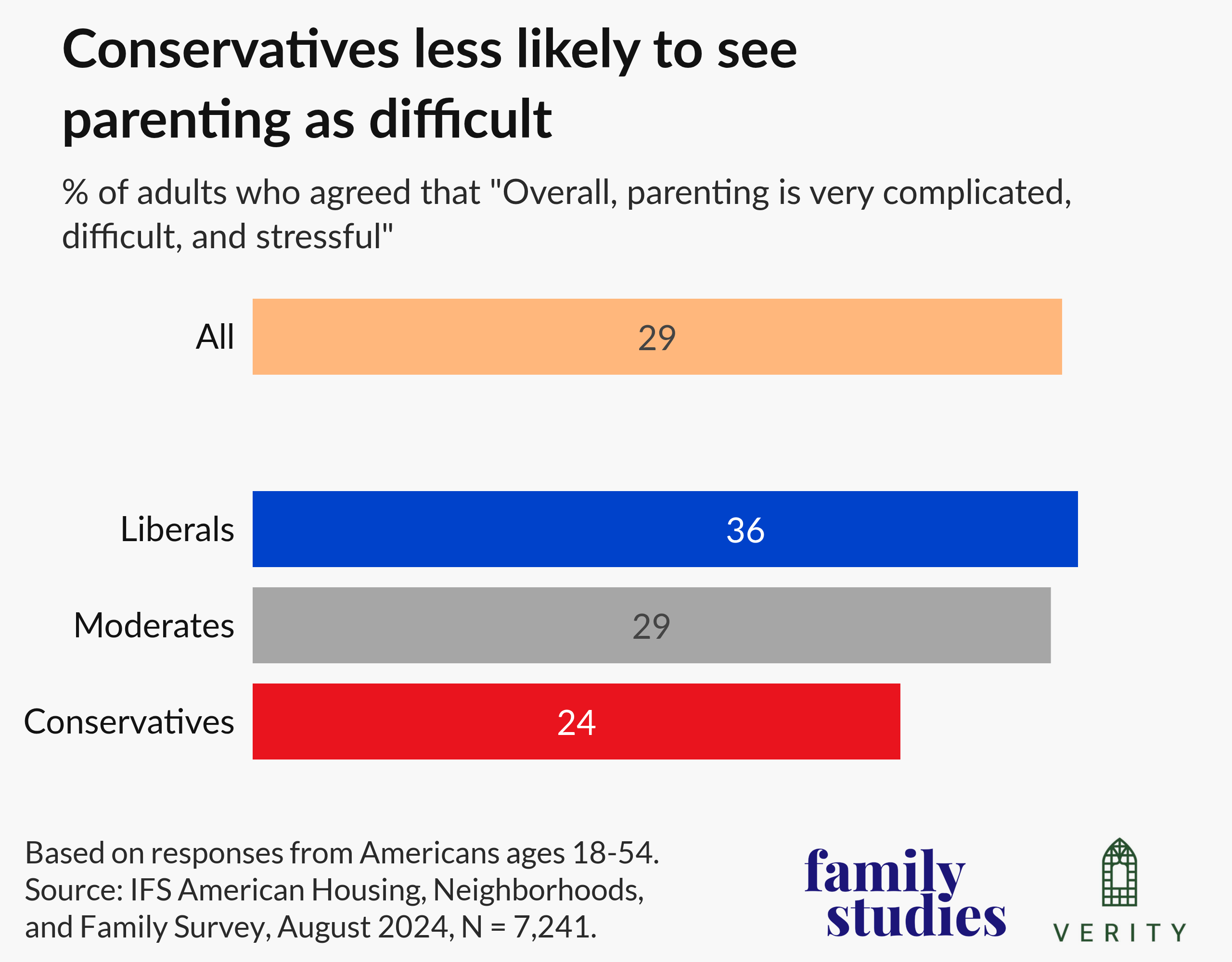
Figure 3. Percent of adults who agreed with statement, by ideology
However, even conservative respondents who do see parenting as very difficult are significantly less likely to be childless (42%) than are liberals who share this view (62%). In contrast, there is not a significant difference in the probability of being childless between conservatives (40%) and liberals (45%) who disagree that parenting is difficult. This suggests that being liberal and viewing parenting as difficult may have a particularly strong impact on childlessness.
Taken together, there appears to be a clear difference between the worldviews of liberals and conservatives. Conservatives are less worried about the potential stress and difficulty of parenting, and also have higher levels of confidence in their ability to parent well. Given that these beliefs are correlated with greater numbers of children, these two worldviews surrounding parenting could further influence the fertility gap.
One caveat in interpreting these results is that we cannot be sure about causality. It is certainly plausible that fearing that one will be a bad parent, and viewing parenting as difficult, will reduce one’s likelihood of having children. However, it is also possible that the experience of raising kids itself makes one realize that they are a good parent—and that parenting, despite its challenges, is not as stressful and difficult as they once believed. Future longitudinal surveys could help us identify whether parenting worries are resulting in fewer kids; whether having kids lessens one’s parenting concerns; or whether some other factor is influencing both of these outcomes.
Anxieties Across the Divide
The ideological differences in our survey results extend beyond parenting concerns. We also find that liberals are more likely than conservatives to report concerns about passing on bad genes; in addition, they more frequently cite their mental health as a reason for postponing children. Groups that identify with each anxiety tend to have significantly fewer children, on average, than those who are not worried about each topic. In particular, worries about genetics and mental health both reflect concerns about what kind of world or situation a child could be born into. Though few people in the aggregate endorse these concerns, liberals have cited genetic and mental health concerns as influencing their fertility preferences considerably more than their conservative counterparts.
To begin, those who are concerned about passing on genetic conditions tend to have fewer children. We asked survey respondents to either agree or disagree with the following statement: "I am worried I will pass on bad genes or inheritable conditions to my children." Potentially, people who are worried about passing on bad genetic traits may fear the burden it would place on themselves as the parent and on the development and life of the child.
We find a wide and statistically significant gap in fertility between those who affirmed this statement and those who did not. Within the survey, those who are worried about passing on inheritable conditions have, on average, 0.88 children, while those who disagree with the statement have 1.30 children. This shows that those who reported genetic concerns have 32% fewer children than those who were not worried.
Additionally, 18% of liberals are worried about passing down poor genetic conditions to their offspring; this percentage is significantly higher than that of conservatives (10%), even when controlling for parental status and other potential confounds. These results are striking, not only because only around 3.9% of American children have a genetic condition, but also because we would expect genetic conditions to be randomly assorted within our sample (thus preventing any relationship between ideology and genetics).
Despite the presumably equivalent chances of having inheritable diseases, there is a significant divergence between liberals and conservatives on genetic concerns. This divergence holds even when applying controls.
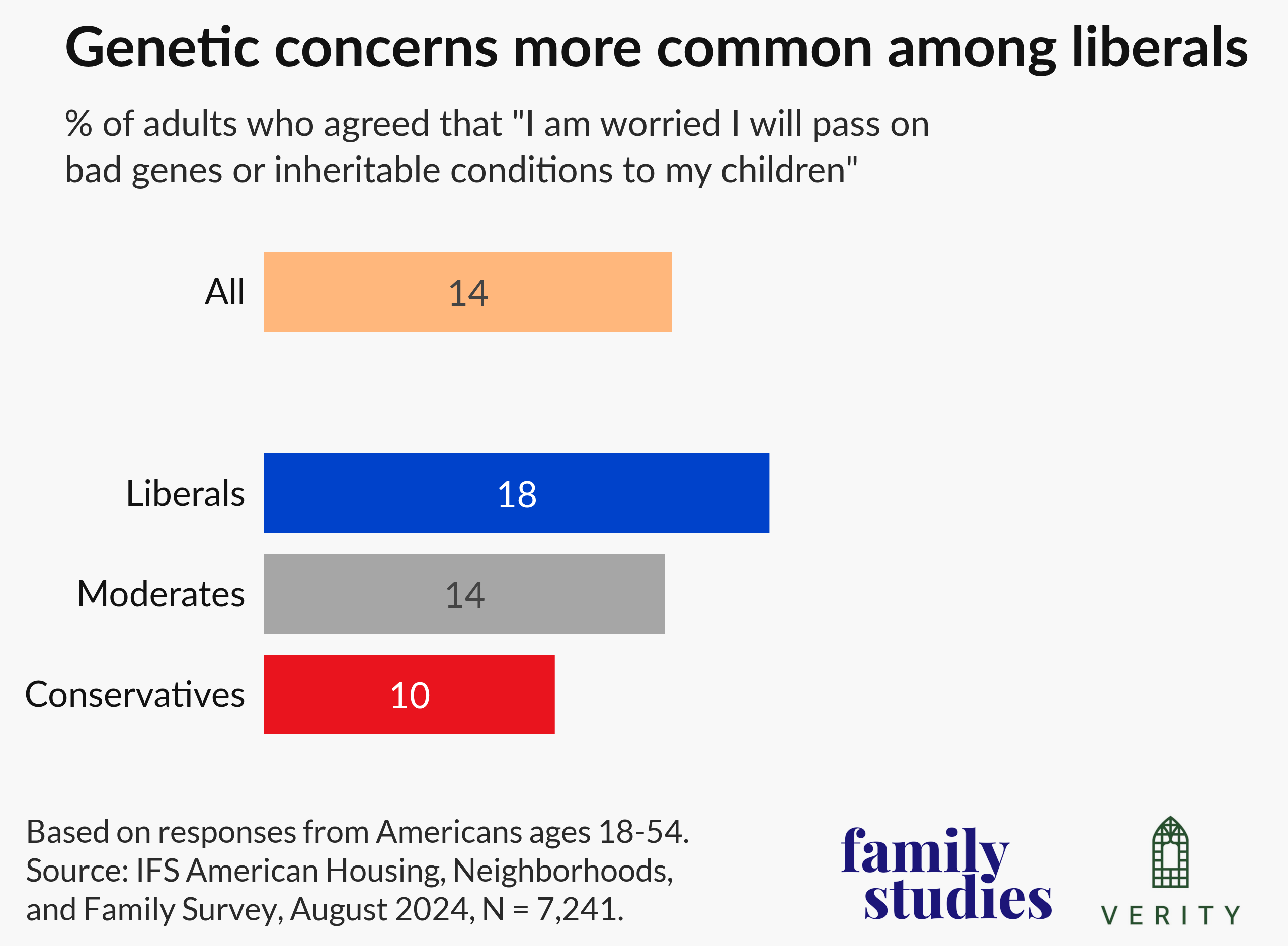
Figure 4. Percent of adults who agreed with statement, by ideology
Additionally, while 65% of liberals who affirm this statement are childless, the same is true for only 48% of those who do not affirm it. Meanwhile, we did not find a significant difference in childlessness shares between conservatives who affirm this statement (52%) and those who do not (39%). Thus, the relationship between genetic concerns and childlessness appears more pronounced for liberals than for conservatives.
Genetic factors are by no means the only anxiety related to childbearing that respondents cite. Roughly 1 in 7 respondents endorse the statement that “my mental health is not good enough for me to have children right now.” This statement has a clear negative correlation with respondents’ fertility: Those who consider mental health a significant concern have—on average—0.84 children, while those who disagree with that statement have an average of 1.30 children.
Again, there is partisan disagreement on the relevance of mental health to fertility decisions. About 19% of liberals affirm this statement compared to only 10% of conservatives; this difference is statistically significant even when controlling for parental status and other variables.
Given these findings, mental health concerns may help mediate the relationship between political ideology and fertility. Indeed, when limiting the analysis to respondents who endorse mental health concerns, we find that the percentage of liberals who are childless (70%) does not differ significantly from that of conservatives (56%). Similarly, among those who don’t report this concern, the percentages of liberals (47%) and conservatives (38%) who are childless do not differ significantly either.
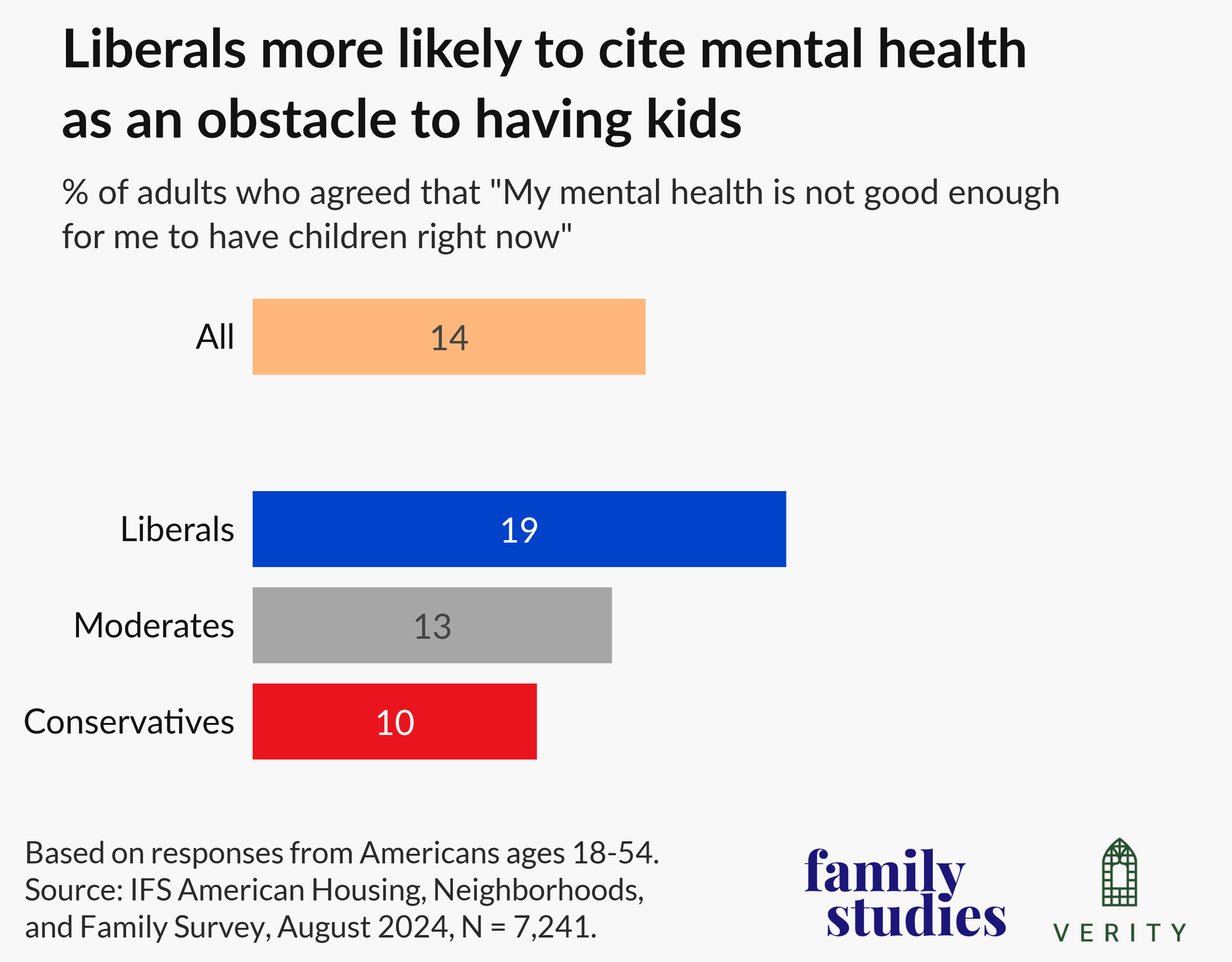
Figure 5. Percent of adults who agreed with statement, by ideology
In summary, mental health worries, like genetic concerns and parenting fears, are correlated with lower fertility—and are also more prevalent among liberals than conservatives. Looking at both variables, there is a consistent trend: increased anxiety and worries are correlated with having fewer children. In addition to this finding, liberals are more likely to have these anxieties than conservatives. This could help bring to light the reasoning that liberals might give for why they are having fewer children or no children at all. It could also provide insight into some of the factors that influence their fertility decisions.
Conclusion: The Gap Explored
Across multiple measures, ideological differences in parenting confidence and anxiety are strongly associated with differences in fertility outcomes. Conservatives report greater confidence in their ability to parent and lower levels of concern regarding mental health and genetic risk. Liberals, by contrast, are more likely to express these anxieties. The consistency of these associations suggests that worldview and self-perception may play a meaningful role in the emerging partisan fertility gap.
There are limitations within both the data and the statistical models used to draw these conclusions. The methods employed in this report cannot determine whether identifying as liberal leads individuals to adopt these views and ultimately have fewer children, or whether individuals who already hold these views and have lower fertility are more likely to identify as liberal. In other words, the direction of causality remains unclear. Another limitation concerns how political ideology was measured. Respondents were grouped into three simple categories: liberal, moderate, or conservative, which are somewhat ambiguous. Future research could include push questions of sliding scales to potentially ascertain more accurate data on where respondents fall on the political spectrum.
Even with these limitations, the overall pattern in the survey data is consistent. Liberals are more likely to report anxiety about their views on parenting and childrearing than conservatives. Although causal claims cannot be made, the cumulation of these associations suggest that political affiliation is linked to perceptions of parenthood and, in turn, to the emerging partisan fertility gap.
Editor's Note: To view the Appendix and reference notes, please download the full research brief below.